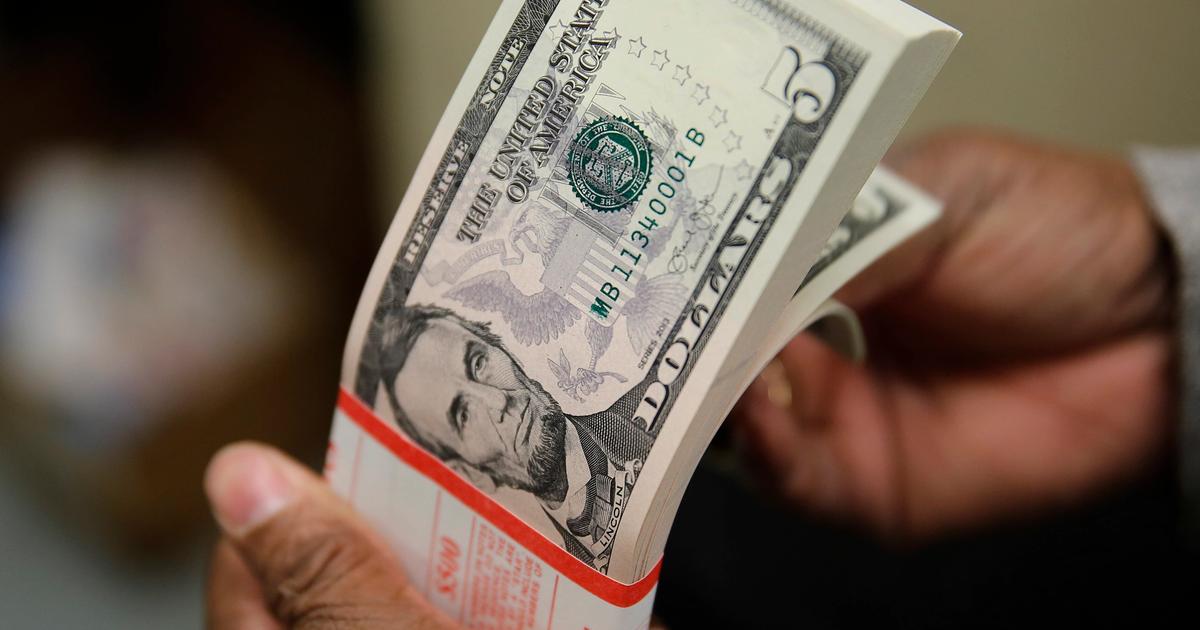
A Gallup survey of 107 countries found economic issues — standard of living, rising prices and low wages — were the top domestic problem, with a median 23% of adults naming the economy and a median 10% citing work/unemployment. In the U.S., 32% of adults ages 15-34 vs. 13% of those 55+ say the economy is the most pressing concern, a dynamic that complicates the White House’s effort to sell President Trump’s affordability agenda and could weigh on consumer sentiment and political risk.
Market structure: Rising, broad-based consumer concern (median 23% globally) favors value and staple businesses with pricing power and elastic demand capture—expect outperformance from discount retailers (WMT, DLTR) and staples (KO, PG) while premium discretionary (LULU, RH) and travel/leisure (DAL, LUV) face margin pressure. Pricing power will bifurcate: top-tier brands can pass costs; mid-market incumbents will cede share to discounters and private-label. On supply/demand, anticipate durable shift of ~1–3% annual consumption from discretionary to essentials over 6–12 months if sentiment persists.
Risk assessment: Tail risks include policy shocks (wage mandates, price controls) and social unrest that disrupt supply chains—low-probability but could compress margins across retail and force rerating of consumer staples (6–18 months). Near-term (days–weeks) catalysts are CPI/PCE and retail sales; short-term (1–3 months) risks are election-driven fiscal promises; long-term (quarters) is persistent youth unemployment depressing housing and durable goods demand. Hidden dependencies: rising youth concern can lower urban housing turnover and credit quality (student loan/friction) which would pressure REITs and consumer ABS.
Trade implications: Size conservative, event-driven positions: establish 2–3% long positions in WMT and COST for 6–12 months to capture share shift; establish 1–1.5% short positions in LULU and RH for 3–6 months on margin compression risk. Implement a pair trade long WMT (2%) / short LULU (1%) and buy 60–90 day put spreads on XLY (size 0.5% portfolio risk) to hedge discretionary downside; overweight TIP (I Shares TIP, 1–2% portfolio) if monthly CPI prints >0.3% quarterly average.
Contrarian angles: Consensus underestimates substitution effects—consumption may hold via cheaper channels, making staples underbought; conversely, fear-driven selloffs could create buying windows in cyclicals if CPI cools. Historical parallels: 2011–2012 sentiment shocks reallocated flows to value then reversed when policy eased—watch for fiscal stimulus that could reflate cyclicals. Key triggers to change stance: US monthly retail sales beat/miss by >0.5% and rolling 3‑month CPI <2.5% annualized should prompt trimming defensive longs and adding selective cyclicals within 2–6 weeks.
AI-powered research, real-time alerts, and portfolio analytics for institutional investors.
Request DemoOverall Sentiment
moderately negative
Sentiment Score
-0.30
