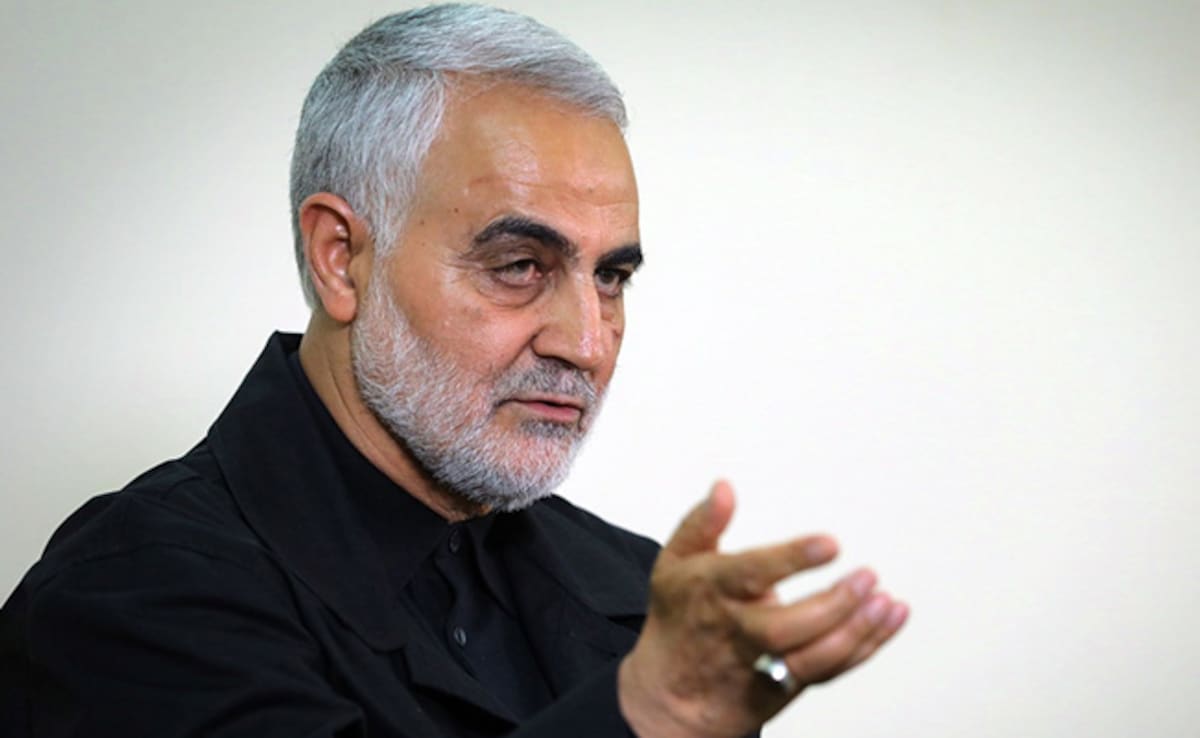
US Secretary of State Marco Rubio revoked the green cards of Hamideh Soleimani Afshar (niece of slain Iranian General Qasem Soleimani) and her daughter; both are now in ICE custody pending removal. The move, and related recent revocations tied to figures connected to Iran, is a politically driven enforcement action linked to US Iran policy and recent presidential commentary on Soleimani. Near-term market impact is limited, but the actions modestly raise headline geopolitical risk that could affect risk sentiment in defense- and energy-sensitive assets.
Recent targeted legal measures against individuals tied to a foreign regime are an explicit signal that US policy tools short of kinetic action are being elevated as levers of coercion. That raises two second-order market channels: (1) compliance and correspondent banking friction — expect banks and payment processors with any MENA corridor activity to see onboarding costs and transaction friction increase, potentially compressing margins by mid-single digits over 6–12 months; (2) reputational and political risk premium for firms with exposure to politically connected foreign elites, which can depress M&A and cross-border capital flows in that cohort for years.
Financial markets will likely treat this as a low-probability, high-sensitivity geopolitical shock: direct commodity or trade disruption is unlikely near-term, but insurance, freight, and defense sectors reprice quickly on perceived escalation. Historically, a localized uptick in regional tensions can lift major defense primes by ~8–15% in 1–3 months while sending EM credit spreads wider by 50–150bps; expect the bulk of any defense rally to occur within the first quarter after such headlines unless follow-on state-sponsored retaliation materializes.
Politically, the timing of legal coercion as a policy instrument increases tail risk around diplomatic windows and electoral cycles — it makes negotiated de-escalation harder and raises the odds of tit-for-tat non-military responses (sanctions, asset seizures) over months. The consensus misread is binary: markets either price full-blown war or ignore it; the more likely path is a protracted, low-level titration that benefits compliance vendors, insurers, and selected defense contractors while quietly penalizing cross-border financial intermediaries and EM corporate credit.
Contrarian nuance: defense equities look like the obvious longs, but they are already priced for a near-term knee-jerk; asymmetric option structures (buy calls while selling short-dated volatility or pairing with EM shorts) offer better risk-adjusted exposure than outright large equity positions. Over a 6–12 month horizon the biggest surprise is not missiles but policy creep — steadily tightening rules that raise recurring revenue for advisory, risk, and insurance franchises.
AI-powered research, real-time alerts, and portfolio analytics for institutional investors.
Request DemoOverall Sentiment
neutral
Sentiment Score
0.00
