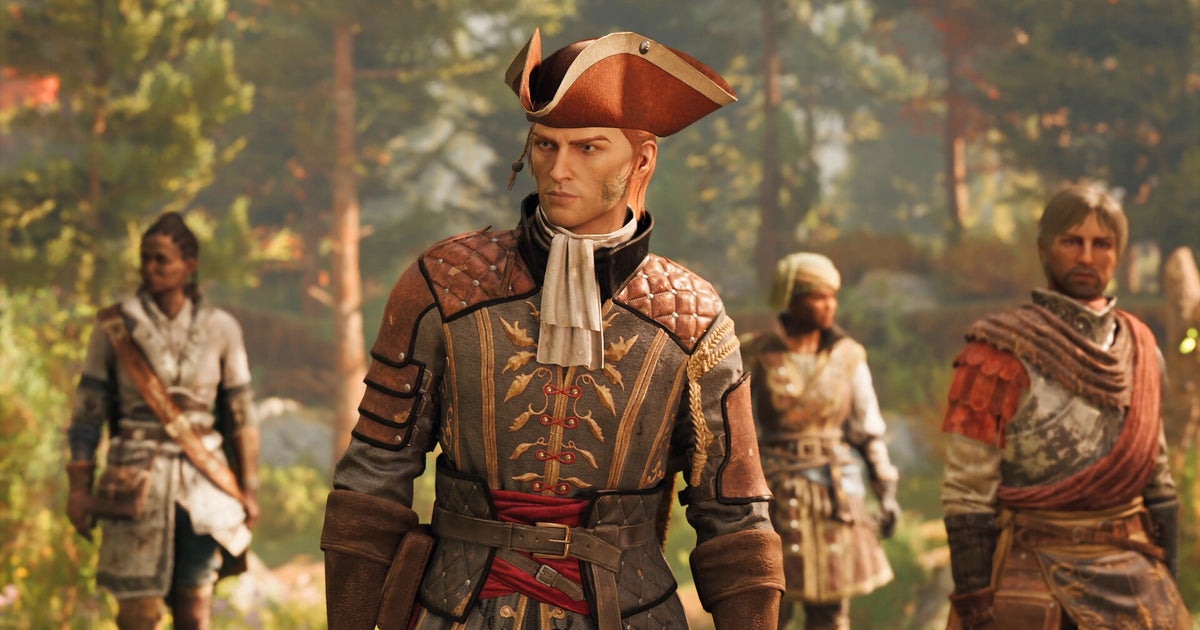
Spiders is being liquidated, with the union saying 71 workers will lose their jobs, careers and income after what it describes as a deliberate decision by Nacon’s management. The STJV alleges Nacon blocked alternate funding or publisher options and provided no contract to preserve the studio after Greedfall 2, prompting a boycott call. The news is materially negative for the developer and its publisher, though the market impact is likely limited to the specific companies and the broader gaming sector narrative.
This is not just a single-studio shutdown; it is a stress test of publisher-controlled captive development models. When a parent is both the sole client and the gatekeeper to external work, the subsidiary’s equity value is effectively a call option on management discretion, not operating performance. That structure raises the probability of value transfer disputes, labor actions, and protracted legal overhangs whenever project timing slips or a major title underperforms. The near-term market impact is more reputational than cash-flow-driven, but reputational damage can still bleed into bookings and talent retention over the next 6-18 months. The second-order issue is pipeline fragility: if a publisher is perceived as extracting labor without sharing upside, recruiting costs rise, senior staff churn accelerates, and schedule risk compounds across the broader portfolio. For smaller European AA/indie publishers, that can translate into delayed launches, higher outsource dependence, and lower gross margin on future releases. The boycott call matters mainly as a signal of labor organization, not immediate sales destruction. However, it increases the odds of copycat union pressure at other undercapitalized studios and could force management teams to preemptively reserve cash for severance, settlements, and PR repair. The legal angle is the real catalyst: if administrators or former employees pursue claims around asset stripping, related-party contracts, or withheld economic rights, the issue can remain live for quarters rather than weeks. Contrarian view: the headline may overstate incremental financial damage to a publisher if the studio was already economically impaired and effectively non-core. The deeper problem is governance, not one game’s P&L, and that means the stock-market reaction should be concentrated in any listed name with a similar captive-studio structure, weak transparency, or concentrated title exposure. The cleanest expression is to short governance-vulnerable niche publishers on rallies and avoid assuming the blow-up is idiosyncratic.
AI-powered research, real-time alerts, and portfolio analytics for institutional investors.
Request DemoOverall Sentiment
strongly negative
Sentiment Score
-0.84
