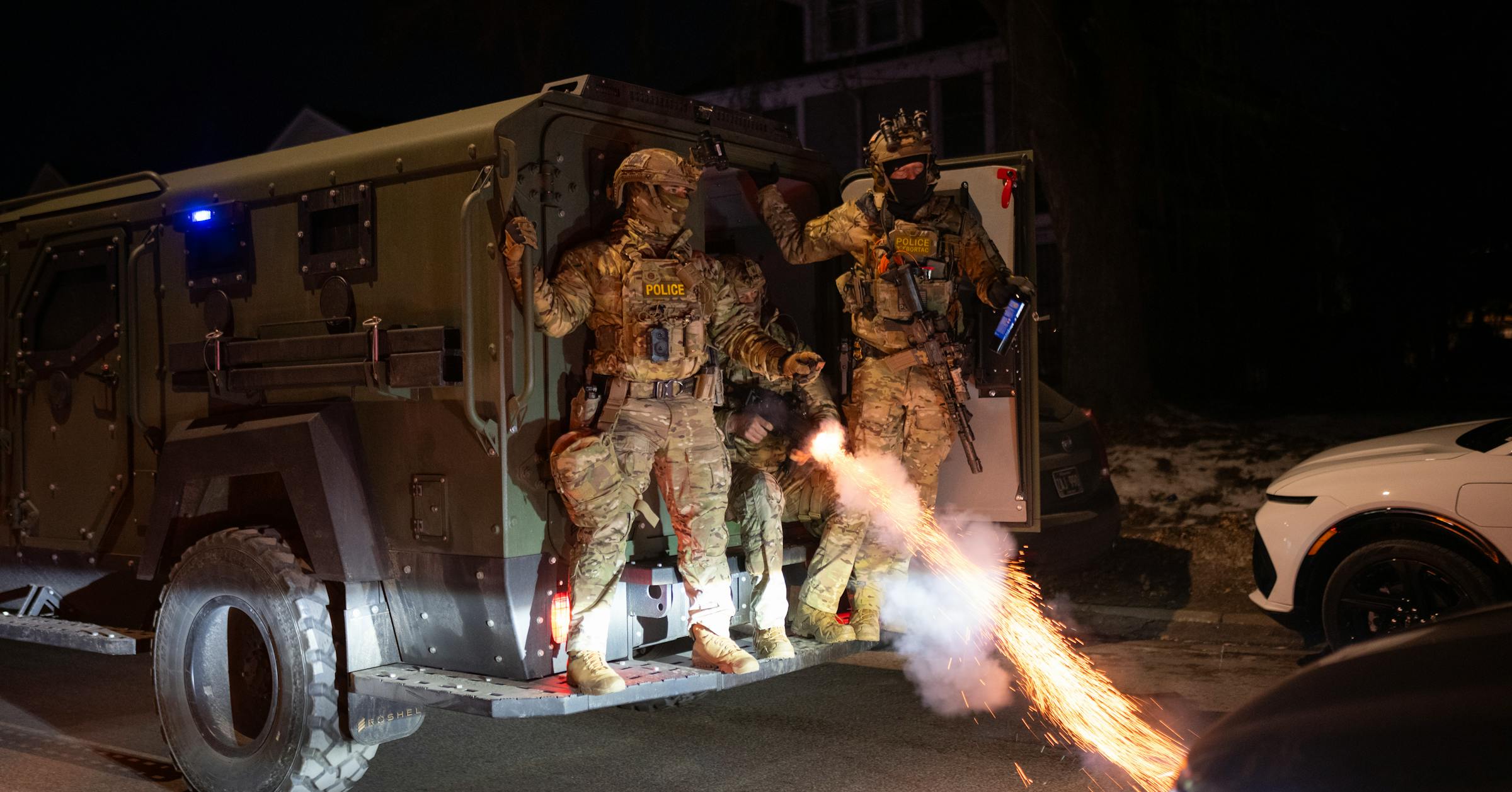
On Jan. 7 ICE agent Jonathan Ross fatally shot 37-year-old Renee Good during a federal immigration enforcement operation in Minneapolis, and a second federal-agent shooting on Jan. 14 further heightened tensions. The Department of Homeland Security’s Operation Metro Surge, launched Dec. 1, has accelerated enforcement activity; DHS Secretary Kristi Noem and CBP Cmdr. Gregory Bovino have signaled no plans to withdraw even as lawsuits, the resignation of senior federal prosecutors in Minnesota, and presidential threats to invoke the Insurrection Act elevate political and legal risk for federal operations and regional stability.
Market structure: Localized political violence and heavy federal enforcement create clear incumbency winners in security, surveillance and federal IT contractors (Axon, Palantir, Booz Allen) who can monetize body-worn cameras, data platforms and contract integration; losers include downtown Minneapolis hospitality/retail, downtown office REITs and regional bank franchises concentrated in MN (U.S. Bancorp) where foot traffic and deposits can fall 5-15% in acute episodes. Pricing power will be modest and project-based (contracts worth $5–50m each), so revenue uplifts are lumpy over 1–4 quarters.
Risk assessment: Tail risks include broader civil unrest or invocation of the Insurrection Act that could push national risk premia (+20–50bp in short-term Treasury yields, VIX spikes >10 pts) or trigger punitive regulation on surveillance tech; legal outcomes (injunctions) could curtail federal contracting and hit revenues within 30–90 days. Hidden dependencies: municipal revenue shocks (sales-tax declines) can widen MN muni spreads; procurement funding depends on DOJ/DHS budget cadence and appropriations (90–180 day horizon).
Trade implications: Direct plays favor small, tactical long exposure to AXON (AXON) and PLTR via call spreads to capture accelerated contracting over 3–12 months, plus 1–2% long in BAH for integration work; hedge with 2–4% allocation to TLT or MUB if VIX jumps >5 or MN 10y muni-Treasury spread widens +25–50bp. Use short-duration put spreads on USB (regional-bank hedge) sized 0.5–1% notional to protect against localized deposit flight; avoid large-cap defense long-only exposure unless federal deployment formalized.
Contrarian angles: Consensus assumes sustained security spend; missing is that privacy/backlash or court rulings can reverse procurement quickly — a 60–120 day contract pause would compress valuations 15–30% for pure-play surveillance names. Historically (post-2020 unrest) equipment purchases spiked then slowed after scrutiny; trade with tight stops and event triggers (court rulings, DHS budget updates) rather than buy-and-hold.
AI-powered research, real-time alerts, and portfolio analytics for institutional investors.
Request DemoOverall Sentiment
moderately negative
Sentiment Score
-0.40
