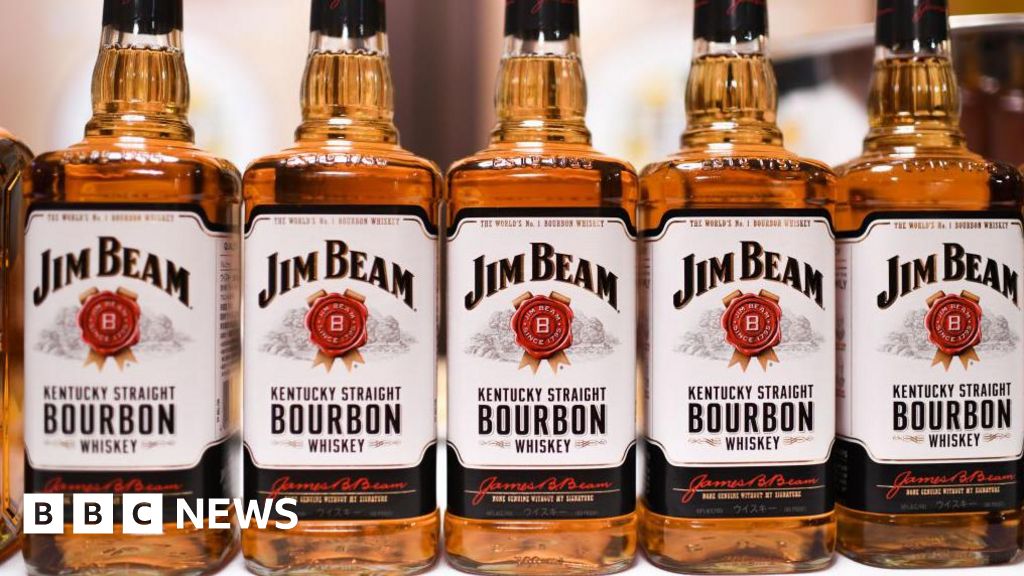
Jim Beam (owned by Suntory Global Spirits) will halt production at its main Kentucky distillery for the full next year to implement site enhancements and reassess volumes for 2026, while other state operations (a separate distillery plus bottling and warehousing) will continue to operate. The pause comes amid a record inventory glut in Kentucky—over 16 million barrels in warehouses—and industry estimates that state taxes on inventories have cost distillers roughly $75m this year, a situation exacerbated by retaliatory tariffs and trade tensions that have hit US spirits exports; the company is engaging with unions on workforce use during the shutdown.
Market structure: A 12‑month production halt at Beam Suntory’s Kentucky site against a record 16M barrels in warehouses signals acute near‑term oversupply and pricing pressure for US bourbon. Direct losers are US distillers and suppliers (bottling, coopers, regional banks financing inventory); relative winners are non‑US global spirits producers (Diageo DEO, Pernod Ricard PDRDY) who avoid US export retaliation and can pick up share abroad. Cross‑asset: expect modest downside pressure on corn/barley demand (single‑digit %), elevated equity implied vol for US spirits names, and credit spreads for regional lenders with concentrated exposure could widen 25–75bp if inventories remain elevated.
Risk assessment: Tail risks include escalation of retaliatory tariffs (materially reducing exports >10% YoY), prolonged union/operational disruptions at other sites, or inventory write‑downs that hit margins >200–500bps. Immediate (days): knee‑jerk equity moves and options vol spikes; short term (weeks–months): earnings revisions and capex deferrals; long term (2–5 years): capacity realignment could restore pricing as aging inventory is consumed. Hidden dependency: bourbon’s long aging cycle means today’s production cuts only impact supply visible 2–4 years out, creating a timing mismatch between inventory glut and future scarcity.
Trade implications: Tactical long exposure to global spirits franchises (establish 2–3% long DEO; 12‑month target +15–20%) and reduce/short US pure‑play distillers (1–2% short BF‑B). Use options to express view: buy 4–7 month DEO call spreads and buy 3–6 month BF‑B put spreads to limit capital at risk. Sector rotation: trim US beverage/consumer staples names and redeploy to global luxury/spirits and selected hospitality names that benefit from domestic consumption; act within 2–6 weeks and reassess on next KDA inventory release.
Contrarian angles: Consensus treats this as permanent demand destruction, but the pause is deliberate inventory management—if tariffs reverse within 3–12 months the market could sharply re‑rate US brands; survivors could benefit from higher pricing once aging barrels run short in 2–4 years. Historical parallel: prior whiskey cycles saw multi‑year inventory corrections followed by premiumization and margin recovery; unintended consequence—aggressive cost cutting or divestitures could create consolidation opportunities. Key signals to watch: monthly KDA barrel count (threshold >16.5M), US tariff announcements (30–90 day windows), and union outcomes; these will be primary catalysts to adjust positions.
AI-powered research, real-time alerts, and portfolio analytics for institutional investors.
Request DemoOverall Sentiment
moderately negative
Sentiment Score
-0.45
