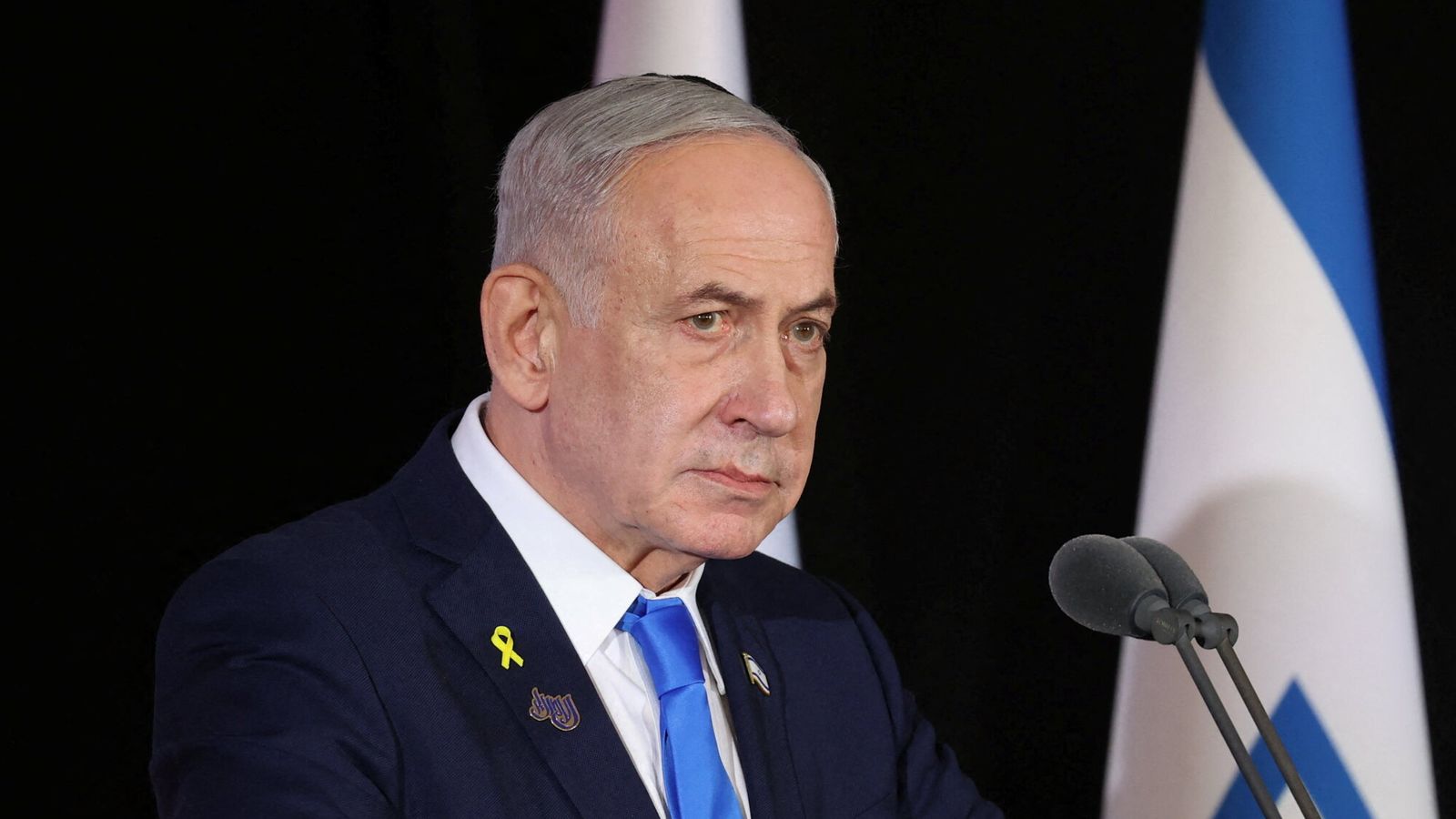
Israel became the first country to formally recognise Somaliland as an independent state, with Prime Minister Netanyahu announcing immediate cooperation on agriculture, health, technology and economic ties. Somalia condemned the move as illegal and a violation of sovereignty, the EU urged respect for Somali unity and the US reaffirmed recognition of Somalia’s territorial integrity, while more than 20 countries and the OIC rejected Israel’s action. The decision raises geopolitical risk in the Horn of Africa and the Red Sea—potentially increasing political risk premiums for regional assets, shipping routes and related insurance costs, and warrants monitoring for investors with exposure to East African trade, ports and security-sensitive sectors.
Market structure: Recognition of Somaliland is a localized geopolitical shock that benefits Israeli exporters and contractors seeking footholds in Horn of Africa infrastructure, agriculture and telecom partnerships while harming Somalia, regional political stability and shipping/insurance counterparties that underwrite Red Sea transit. Expect modest re-pricing: higher marine insurance premia (+10–30% for high-risk lanes), small upward pressure on bunker fuel and container freight rates (single-digit %), and marginally wider EM sovereign spreads in East Africa.
Risk assessment: Tail risks include escalation around the Bab el‑Mandeb chokepoint leading to a 5–15% spike in container freight rates and a 2–5% move in Brent within days; probability low but impact high. Immediate (0–7 days) risk is localized diplomatic backlash; short-term (weeks–months) risk is increased private security and insurance costs; long-term (quarters) risk is shifts in port investment and new trade corridors. Hidden dependencies: European and Asian supply chains’ sensitivity to Suez transit volumes and the degree to which navies/convoys mitigate disruption.
Trade implications: Tactical trades include 6–12 month directional longs in US defense primes (LMT, RTX) sized 1–2% each to capture incremental maritime/security spending (target +10–20%, stop −8%). Buy 3‑month Brent call spreads (tight width) sized 0.5–1% of portfolio if Suez transit volumes fall >10% vs 30‑day average or if Container Freight Index rises >15%. Consider 1% longs in insurance brokers AON/MMC to capture premium repricing; short 1–2% EEM or EM sovereign debt ETFs if EMBIG spreads widen >25bps in 2 weeks.
Contrarian angles: The market may overstate permanence of instability—Somaliland has de facto autonomy since 1991, so successful Israeli partnerships could create investable infrastructure opportunities (ports, data, ag‑tech) within 6–24 months. The knee‑jerk risk‑off that hurts broad EM may present selective buys in Israeli tech exporters and port/logistics equipment makers; track concrete MoUs and port investment announcements over 90 days as a buy signal.
AI-powered research, real-time alerts, and portfolio analytics for institutional investors.
Request DemoOverall Sentiment
moderately negative
Sentiment Score
-0.25
