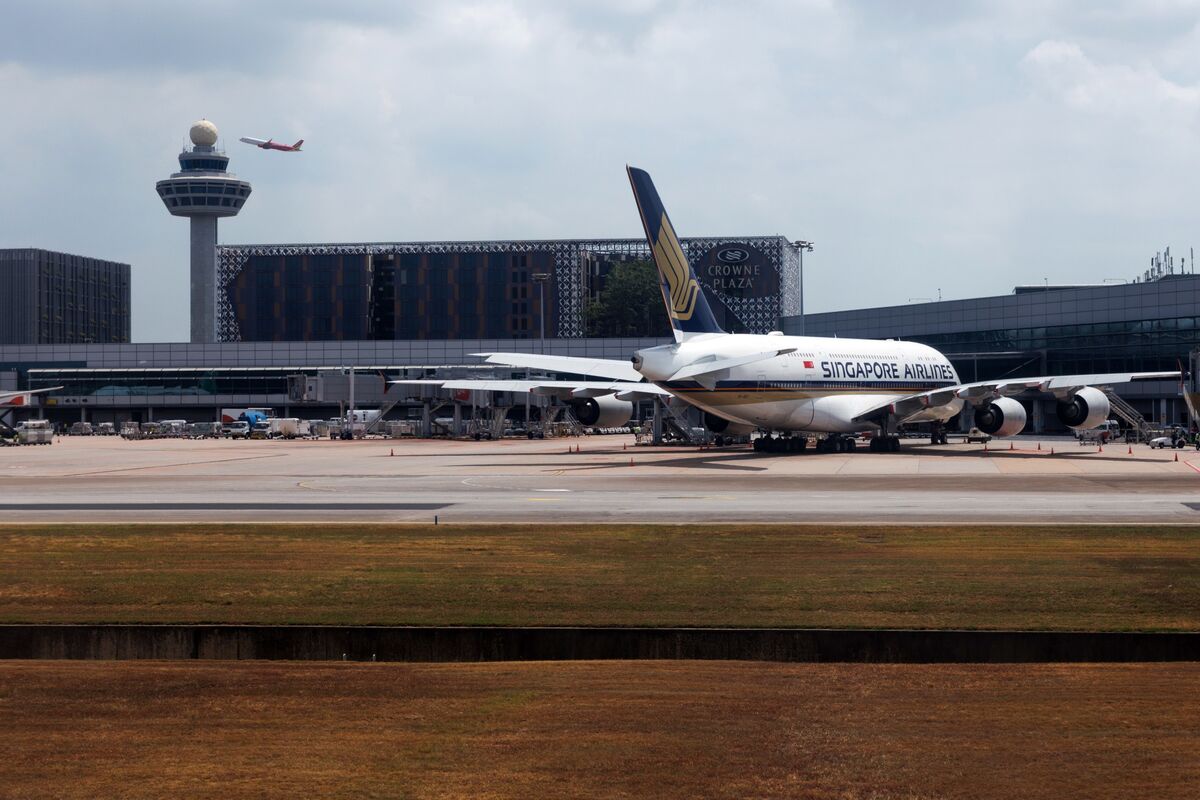
Singapore will cap power banks to two per departing passenger from April 15 to reduce lithium-battery fire risk; passengers must discard any excess before departure. The Civil Aviation Authority of Singapore also forbids charging power banks in flight and advises against using them to charge devices onboard.
This rule creates a narrow but durable change in passenger behavior that will shift a small but concentrated slice of airport retail demand and operational costs. Expect immediate inventory rebalancing by sellers of portable chargers (duty-free shops, travel electronics kiosks, online sellers that rely on airport footfall) and a short-lived spike in discard/collection services at terminal exits; both effects play out over weeks-to-months around travel peaks.
Second-order: airports and ground-handling contractors face modest incremental operating costs (waste handling, signage, staff checks) and potential reputational upside from fewer fire incidents; these costs manifest as headcount or OPEX increases in the coming quarters and can squeeze thin-margin retail leases first. Regulators in nearby hubs (Hong Kong, Australia, major EU airports) can copy the rule within 3–12 months, creating a regional policy cluster that compresses airport small-electronics category sales across Asia-Pacific.
Tail risks and catalysts: a high-profile inflight fire not attributable to compliance could prompt regulators to tighten rules (total ban, stricter packaging), which would materially hit retail categories; conversely, rapid industry pushback or tech fixes (single-device integrated capacity banks with airline-approved certification) could blunt the effect within 6–18 months. The most actionable signal to watch is retail sell-through and buyback/return rates at Changi retailers over the next 4–8 weeks — that will determine whether the change is a transient shock or a structural demand shift.
AI-powered research, real-time alerts, and portfolio analytics for institutional investors.
Overall Sentiment
neutral
Sentiment Score
0.00
