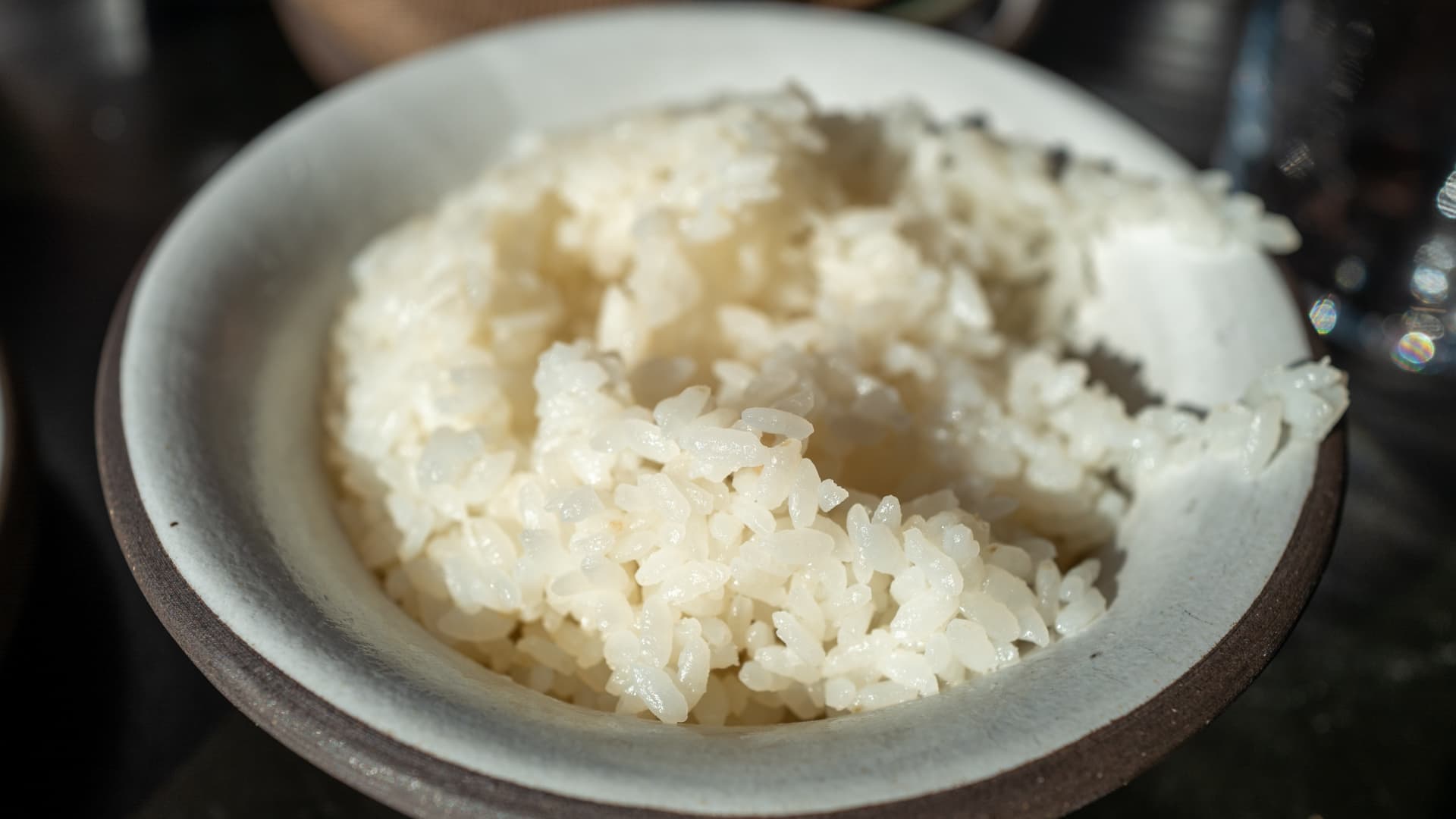
Japanese Farm Minister Taku Eto resigned following public criticism over comments about receiving free rice amid soaring prices, exacerbating Prime Minister Ishiba's low approval ratings ahead of Upper House elections. Rice prices have climbed to record highs due to poor harvests, protectionist policies, and increased demand from tourism, with a 5-kilogram bag now costing 4,268 yen ($29.63). The situation is further strained by an aging farming population and consumer preference for domestic rice, limiting the impact of government stockpile releases and potential imports, contributing to Japan's 3.6% inflation rate.
Japan's agricultural sector and political landscape are facing significant turbulence, underscored by the resignation of Farm Minister Taku Eto amidst public outcry over soaring rice prices. This incident has further eroded Prime Minister Shigeru Ishiba's government approval rating, which plummeted to an all-time low of 27.4% ahead of crucial Upper House elections, fueled by discontent over the administration's handling of the rice crisis and broader inflationary pressures. Rice prices have reached record highs, with a 5-kilogram bag costing 4,268 yen, a 54 yen week-on-week increase, reflecting a confluence of factors including poor harvests, protectionist agricultural policies, an aging and diminishing farming workforce operating inefficient small farms, and strong consumer preference for domestic rice. Increased demand from tourism and panic-driven hoarding by households and businesses exacerbate the supply shortfall, as noted by the U.S. Department of Agriculture and local economists. Government attempts to curb prices by releasing stockpiles have proven largely ineffective, and significant relief from imports is considered unlikely due to consumer unfamiliarity and existing trade barriers. This food price inflation is a key driver of Japan's overall inflation rate, which stood at 3.6% year-on-year in March, remaining above the Bank of Japan's 2% target for three consecutive years. The weak yen further compounds the issue by increasing the cost of food imports, which constitute approximately 60% of Japan's food supply, highlighting the country's challenge in meeting its food self-sufficiency target of 45% by fiscal 2030, with the current rate at 38%.
AI-powered research, real-time alerts, and portfolio analytics for institutional investors.
Request DemoOverall Sentiment
Negative
Sentiment Score
-0.60
