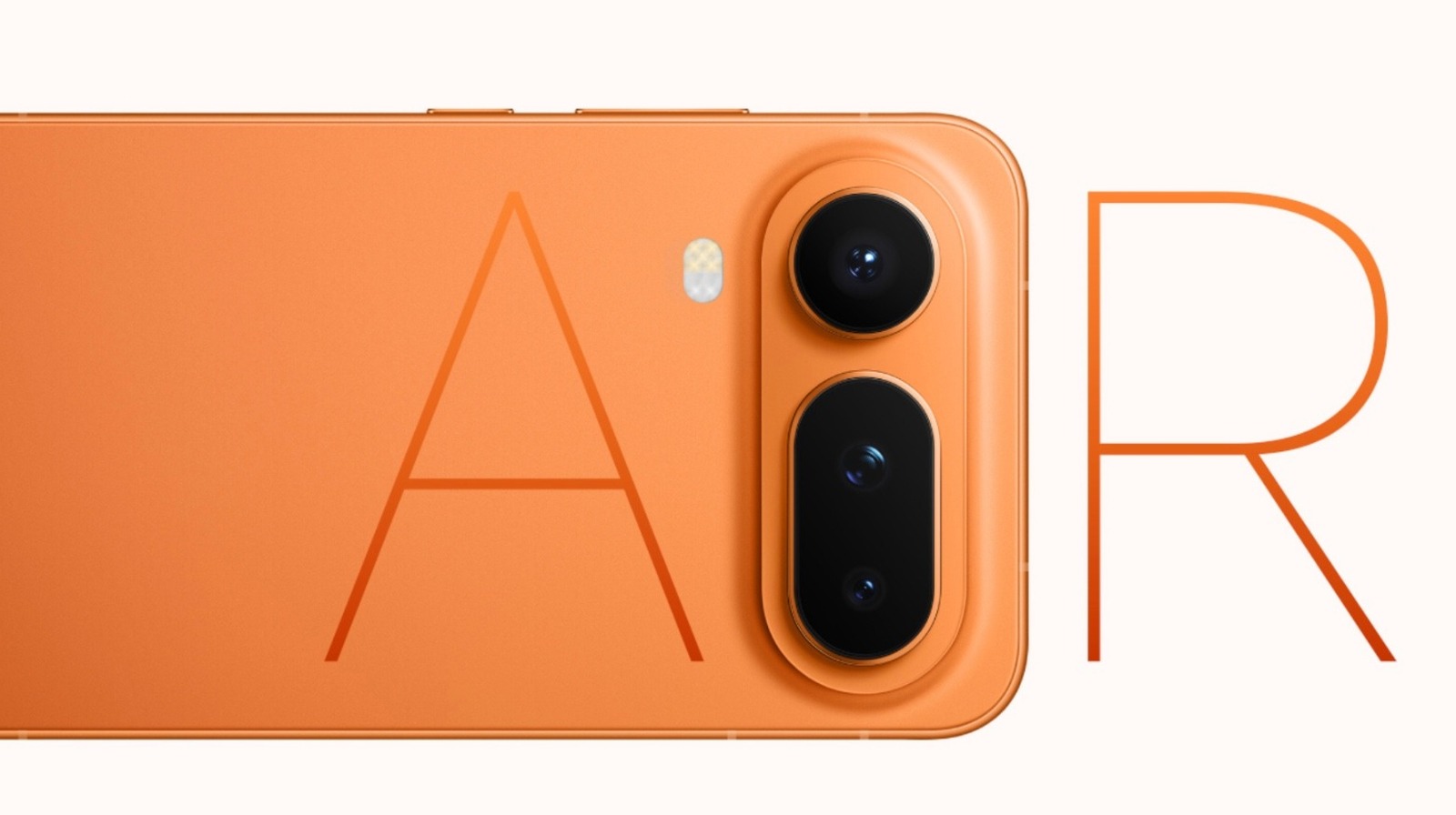
Honor has launched the Magic 8 Pro Air, a device that closely mimics Apple's iPhone Air aesthetic but is thicker (6.1 mm vs Apple’s 5.6 mm) and targets a mid-market segment rather than flagship buyers. The handset features a triple rear camera, a 6.31-inch AMOLED display, a 50MP front camera, under-display fingerprint sensor, MediaTek Dimensity 9500 chipset, 16GB RAM and up to 1TB storage; availability outside China, including the U.S., is currently unclear. The product highlights Honor’s strategy of delivering high-spec devices at lower prices but raises competitive and brand-differentiation concerns that could undermine perception of its higher-end Magic 8 Pro flagship.
Market structure: Honor’s iPhone-esque offering primarily strengthens mid‑tier component suppliers (MediaTek/Dimensity ecosystem, display and camera modulemakers) while risking cannibalization of Honor’s own high‑end Magic 8 Pro and pressuring other mid‑range OEMs (Xiaomi, OPPO/BBK). Expect modest ASP compression in the $300–$700 segment of roughly $20–50 over 6–12 months as design parity increases; Apple’s premium pricing power (AAPL) is likely resilient in the short term owing to ecosystem lock‑in.
Risk assessment: Tail risks include IP litigation from Apple, accelerated US‑China technology decoupling, or regulatory actions removing Google services from Chinese devices—each could cause 5–15% revenue swings for affected OEMs/suppliers over 12 months. Immediate impact is minimal (days); key windows are 1–6 months around reviews and holiday sales and 1–3 years for structural brand erosion or consolidation. Hidden dependency: Honor’s ability to ship with Google services will determine any overseas revenue potential.
Trade implications: Tactical trades: favor AAPL exposure and selective supplier plays (MediaTek access via 2454.TW or Qualcomm QCOM for non‑China exposure) while trimming direct exposure to China handset names (1810.HK XIAOMI). Use defined‑risk option structures (3‑ to 6‑month AAPL call spreads) to capture brand‑resilience without funding large outright buys; overweight semiconductor equipment (LRCX, KLAC) if mid‑cycle capex reacceleration appears.
Contrarian angle: The market underestimates that “copycat” launches can expand component demand by 5–10% regionally and validate design trends, benefiting suppliers more than hurting Apple. Historical parallels (Samsung/Chinese OEMs borrowing Apple cues) show Apple maintaining margin premium; the bigger risk is internal cannibalization at Honor, not immediate share loss for Apple.
AI-powered research, real-time alerts, and portfolio analytics for institutional investors.
Request DemoOverall Sentiment
mildly negative
Sentiment Score
-0.25
Ticker Sentiment
