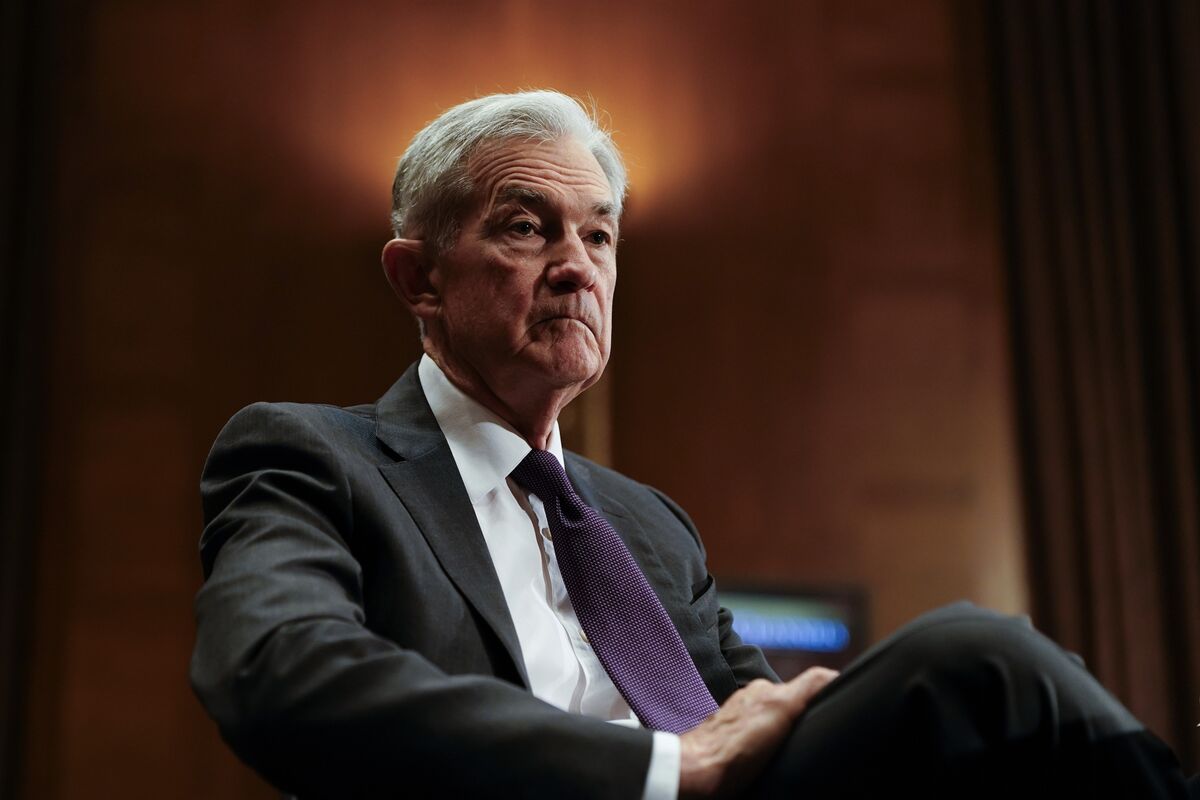
The Federal Reserve's institutional structure is designed to resist presidential attempts to influence monetary policy, specifically countering President Trump's stated intention to replace Chair Jerome Powell with a rate-cutting nominee. This independence is safeguarded by the Senate's critical role in approving Fed appointments, a process involving committee hearings where even allied senators have previously rejected unqualified candidates, exemplified by Judy Shelton's failed nomination. Consequently, financial markets have largely disregarded presidential rhetoric, reflecting confidence in the central bank's robust autonomy and technocratic tradition.
The Federal Reserve's institutional framework is presented as a robust defense against political interference, specifically countering President Trump's stated intent to replace Chair Jerome Powell with a nominee mandated to lower interest rates. The primary bulwark identified is the constitutionally mandated Senate confirmation process for Fed appointments, which includes rigorous hearings by the Committee on Banking, Housing, and Urban Affairs. This process has historically served as a significant check on executive influence, as evidenced by the failed 2020 nomination of Judy Shelton. Despite a Republican-controlled Senate at the time, her controversial views led key Republican senators to block her appointment, underscoring a bipartisan or cross-partisan commitment to the central bank's technocratic integrity. Consequently, financial markets have largely discounted the political rhetoric, suggesting investor confidence that the Fed's operational independence will be preserved, preventing a politically motivated overhaul of monetary policy.
AI-powered research, real-time alerts, and portfolio analytics for institutional investors.
Overall Sentiment
mixed
Sentiment Score
0.05
