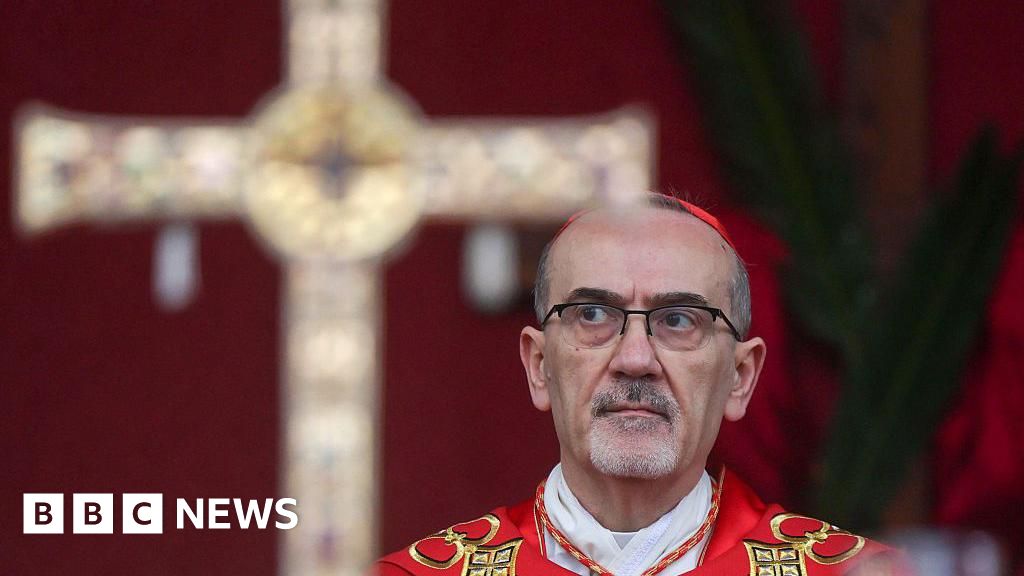
Israeli police blocked Latin Patriarch Pierbattista Pizzaballa and a priest from entering the Church of the Holy Sepulchre for Palm Sunday, citing security after Iranian missile strikes since 28 February. The closure—affecting all worshippers in the Old City—drew international criticism from the US, Italy, France and the Vatican and prompted diplomatic démarches; Israel says the measure is temporary and a plan to permit worship is being drawn up. Market impact is limited, but the episode highlights elevated security and diplomatic risk in Jerusalem amid ongoing Iran-related hostilities.
This incident is best read as a signal amplifier rather than an isolated diplomatic flare: it raises the short-term political risk premium on Jerusalem-centric economic activity (tourism, pilgrimage services, local retail) while sharpening Western scrutiny of how security measures are administered. Expect a measurable dip in near-term tourism receipts and bookings concentrated in the next 2–8 weeks; a conservative working estimate for portfolio stress-testing is a 5–15% drop in Q2 revenues for companies with concentrated Old City exposure.
A more durable, second-order effect is acceleration of tactical procurement and supply-chain prioritization for air-defense, C4ISR, and hardened infrastructure. Because foreign military sales and emergency buys route through large US primes and established FMS channels, incremental demand over 3–12 months will disproportionately benefit scale suppliers with surge production capacity (and available inventory lines) rather than smaller niche vendors. Practically, a $3–10bn aggregate emergency program would translate into low-double-digit percentage revenue upside for top-tier primes over the next 12 months, with margins skewing higher due to near-term pricing and urgent replenishment premiums.
Catalysts that will reverse this re-pricing: rapid de-escalation and clear, enforceable security guarantees for Holy Sites (days–weeks), or decisive multilateral diplomatic actions that restore tourist confidence (weeks–months). Tail risks include wider regional escalation or punitive diplomatic measures from EU partners that could shift longer-term capital flows and force more structural reallocation of Israeli assets (6–36 months).
AI-powered research, real-time alerts, and portfolio analytics for institutional investors.
Request DemoOverall Sentiment
mildly negative
Sentiment Score
-0.35
