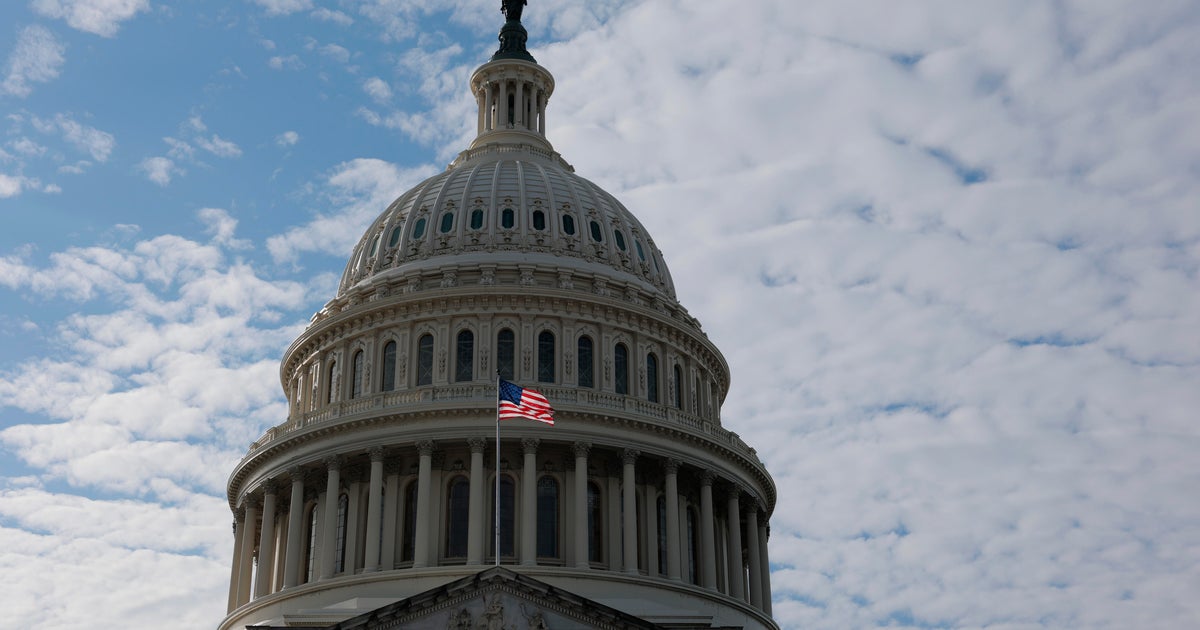
The U.S. federal government faces an imminent shutdown due to a funding deadlock, with economists estimating a weekly cost of approximately $7 billion to the economy. This disruption is expected to significantly weigh on investor and consumer confidence, potentially rattling markets and complicating monetary policy decisions by delaying critical economic data. While mandatory spending programs like Social Security payments will continue, the shutdown risks broader economic impacts through delayed federal procurement, disrupted administrative services, and halted mortgage processing, posing a graver risk given existing economic headwinds.
The U.S. economy faces a material risk from an impending federal government shutdown, which is estimated to cost approximately $7 billion per week according to EY-Parthenon. This legislative deadlock creates significant uncertainty that could erode both investor and consumer confidence at a time when the economy is already navigating headwinds. The most critical near-term impact for financial markets is the potential delay of key economic data, including the October jobs report from the Bureau of Labor Statistics. This would complicate the Federal Reserve's upcoming interest rate decision by obscuring the state of the labor market, a variable officials are scrutinizing closely. While mandatory spending such as Social Security and Medicare payments is expected to continue, disruptions will be felt across other sectors. An estimated 800,000 federal workers face furloughs, impacting consumer spending, and federal contractors will see funding suspended. Furthermore, specific industries will be affected, with TD Cowen highlighting that mortgage originations requiring federal flood insurance will halt, creating a bottleneck in the housing market.
AI-powered research, real-time alerts, and portfolio analytics for institutional investors.
Overall Sentiment
strongly negative
Sentiment Score
-0.80
Ticker Sentiment
