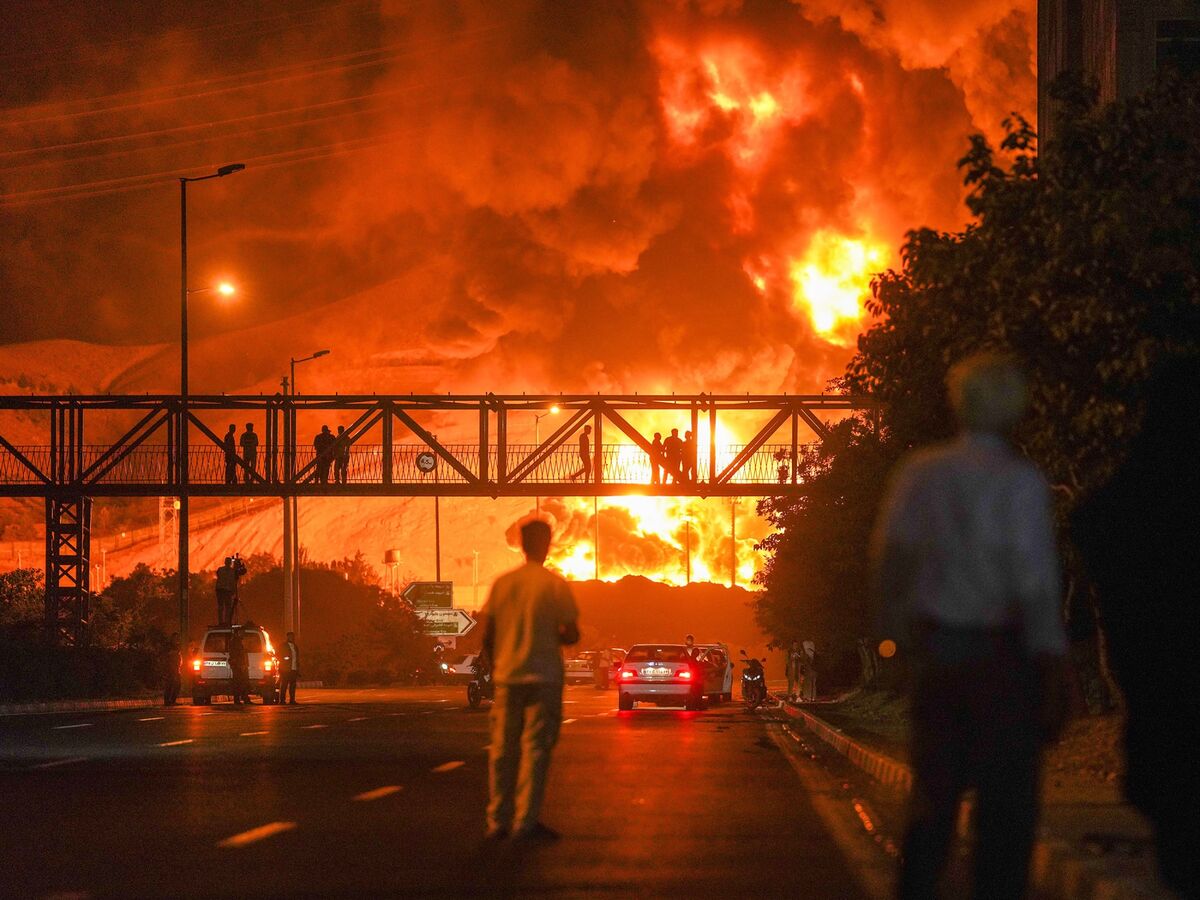
Following recent escalations in the conflict between Iran and Israel, Tehran residents are bracing for further unpredictable warfare, with many attempting to flee the capital due to fears of potential Israeli strikes on numerous sites; this exodus is occurring against a backdrop of a struggling Iranian economy and a weakened leadership, contributing to widespread anxiety about the future.
Heightened geopolitical tensions in the Middle East, specifically the unpredictable conflict between Iran and Israel, are causing significant civilian distress in Tehran, as evidenced by residents attempting to flee the capital and taking emergency precautions due to fears of potential Israeli strikes. This situation is exacerbated by Iran's pre-existing economic vulnerabilities and weakened leadership, fostering an environment of profound uncertainty and anxiety among the populace. The associated data signals underscore the gravity, with a 'strongly negative' sentiment score of -0.85, a 'pessimistic' tone, and a high market impact score of 0.8. These indicators suggest that the developments are perceived as highly detrimental and likely to induce considerable market volatility, particularly within the themes of 'Geopolitics & War' and 'Emerging Markets'. The lack of specific corporate entities mentioned directs focus towards broader macroeconomic and regional stability concerns, with potential ripple effects on global markets.
AI-powered research, real-time alerts, and portfolio analytics for institutional investors.
Request DemoOverall Sentiment
strongly negative
Sentiment Score
-0.85
