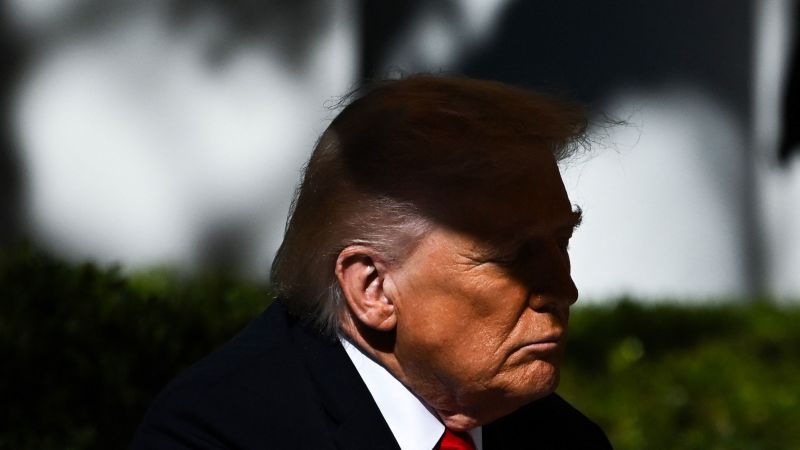
Republican leaders and Trump allies are urging a shift toward an affordability-focused domestic agenda after a narrower-than-expected GOP special-election victory in Tennessee (nine-point win versus a 22-point margin a year earlier), signaling concern about messaging ahead of the 2026 midterms. Immediate policy risk centers on health care: enhanced ACA subsidies are set to expire December 31, potentially driving large premium increases absent congressional action, while proposals in play include Senator Josh Hawley’s bill for a $25,000 medical expense deduction and President Trump’s plan to rescind Biden-era vehicle fuel-economy standards. The political debate — and uncertainty over whether Republicans will negotiate to avert the subsidy cliff or pursue regulatory rollbacks — creates policy risk for insurers, healthcare providers, automakers and energy-linked sectors.
Market structure: A GOP pivot toward “affordability” plus Trump’s moves to roll back fuel-economy rules favors traditional energy and ICE supply chains (XOM, CVX, F, GM) and defense/commodity-exposed names while posing downside for high-multiple EV plays and discretionary consumer names that depend on stretched consumer budgets. Health-insurance and hospital economics are binary: a failure to extend ACA-enhanced subsidies by Dec 31 would reduce covered enrollment and increase uncompensated care, pressuring hospitals (HCA) and certain payers, but a bipartisan stopgap would reverse that immediately.
Risk assessment: Key tail risks are a healthcare-subsidy cliff causing a consumer-spend shock (probability medium, impact -3–6% S&P EPS over 12 months) and a Venezuela/hemisphere escalation that could move Brent +$10–$20 in weeks. Immediate (days) risk is headline-driven volatility; short-term (weeks–months) is policy negotiation outcomes; long-term (quarters) is permanent regulatory shifts (fuel economy rollback, tax/health entitlements) that reprice capital allocation in autos, energy and healthcare.
Trade implications: Near-term trades should exploit policy binary events: energy longs and EV/consumer hedges ahead of geopolitical or regulatory decisions and options around health insurers for the Dec 31 subsidy cliff. Use pair trades to express relative rotation from EV/high-growth to value/energy and use Treasuries as a recession hedge if subsidy talks break down.
Contrarian angles: The market is underpricing a GOP-driven push to actually legislate affordability (extension of subsidies, medical-expense deductions) because midterm politics incentivize deals; that makes short-duration insurance/hospital shorts risky. Conversely, the regulatory rollback on fuel-economy faces legal and state pushback — don’t assume immediate structural demand loss for EVs.
AI-powered research, real-time alerts, and portfolio analytics for institutional investors.
Request DemoOverall Sentiment
moderately negative
Sentiment Score
-0.30
