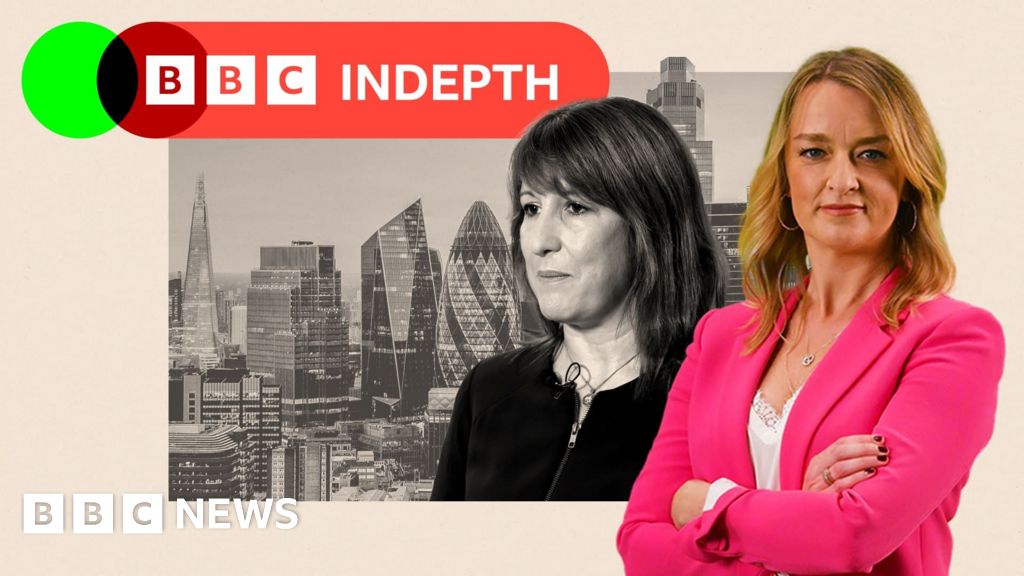
Chancellor Rachel Reeves is preparing a tightly constrained Budget focused on three priorities—cutting the cost of living, reducing NHS waiting lists and lowering the national debt—but faces squeezed fiscal headroom after an OBR downgrade, a manifesto pledge not to raise income tax/NI/VAT and strong market aversion to further borrowing. Political reality—restless Labour backbenchers opposed to deep cuts and expectations of costly measures such as energy bill support and partial reversals of benefit caps—limits her options, while internal policy contradictions (higher National Insurance increasing labour costs, new worker protections, a rumored EV pay‑per‑mile charge and debate over softening a punitive oil-and-gas tax) risk undermining growth and investment signals. The Budget will be judged on whether Reeves can credibly square these competing pressures; its details will directly affect fiscal credibility and sectoral exposure for investors, especially in energy, autos, and labour‑intensive industries.
Chancellor Rachel Reeves has framed the upcoming Budget around three priorities—cutting the cost of living, reducing NHS waiting lists and lowering the national debt—but fiscal flexibility is materially constrained: last year's stated "headroom" was only £9bn and the Office for Budget Responsibility has since downgraded the economic outlook, leaving less room to borrow and prompting market aversion to further debt. The manifesto pledge not to raise income tax, National Insurance or VAT removes a clear revenue lever, while internal pressure from Labour backbenchers and public expectations for energy support and reversals of benefit limits increase the probability of politically-driven spending commitments.
Policy contradictions risk undermining growth signals: the government's earlier National Insurance hike raises labour costs precisely as ministers say growth and hiring are priorities, and concurrent commitments to worker protections increase regulatory burdens. Specific rumoured measures—an EV pay-per-mile charge and debate over softening the punitive oil-and-gas tax—create sectoral binary outcomes: a softened tax would bolster North Sea investment and renewables transition prospects, whereas heavier taxation or new consumer charges would pressure energy and autos demand.
Market tone is moderately negative and uncertain (sentiment score -0.4, market impact ~0.35), implying heightened volatility around the Budget release; the statement and OBR numbers will be the decisive catalysts for fiscal credibility and sector rotations linked to energy, autos and labour-intensive industries.
AI-powered research, real-time alerts, and portfolio analytics for institutional investors.
Request DemoOverall Sentiment
moderately negative
Sentiment Score
-0.40
Ticker Sentiment
