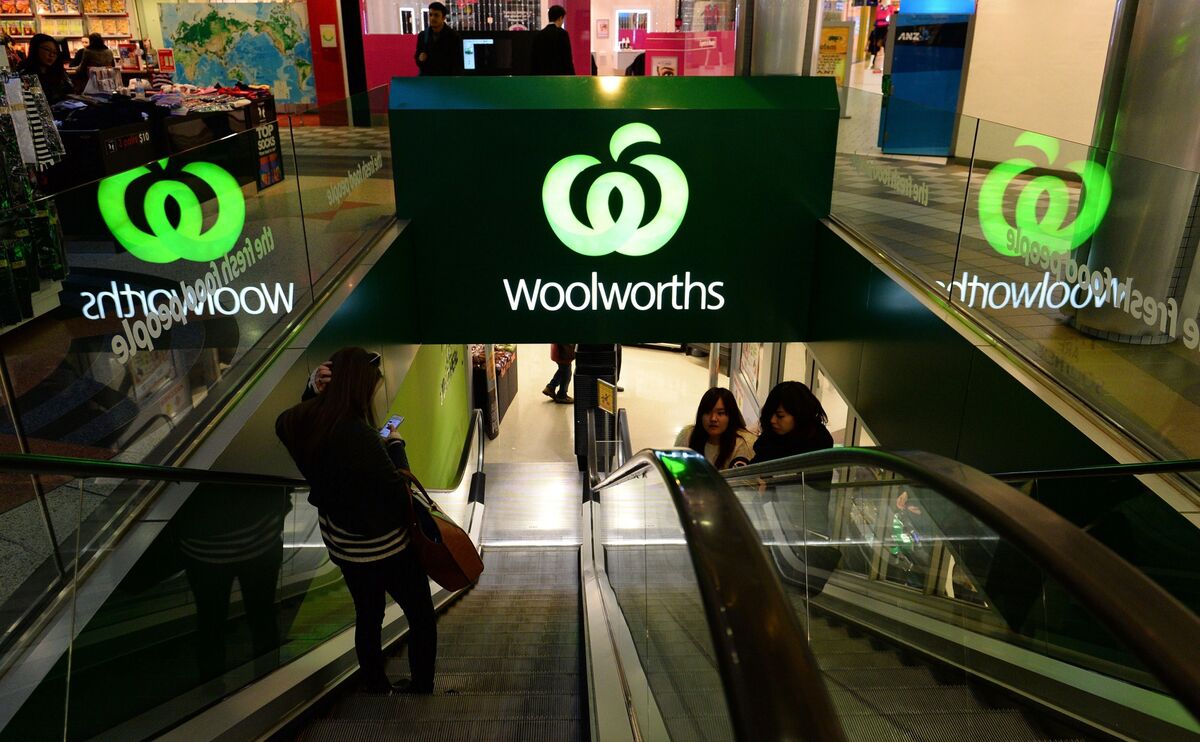
Woolworths Holdings Ltd. reported a 5.8% decline in net income to 2.44 billion rand ($138 million) for the year ending June, as its clothing unit's recovery efforts were hampered by financially constrained consumers in South Africa and Australia. This performance underscores the broader pressure on discretionary spending and retail sector profitability across these key markets.
Woolworths Holdings Ltd. is confronting significant profitability challenges, as demonstrated by a 5.8% decline in net income to 2.44 billion rand ($138 million) for the fiscal year ending in June. This earnings contraction is directly attributed to the faltering performance of its clothing unit, where strategic recovery efforts have been undermined by adverse macroeconomic conditions. Specifically, strained disposable incomes among consumers in the company's key markets of South Africa and Australia are dampening discretionary spending on fashion. The situation highlights the high sensitivity of the company's turnaround plan to external economic pressures and suggests that internal operational fixes are currently insufficient to overcome the broader headwind of a cash-strapped consumer base.
AI-powered research, real-time alerts, and portfolio analytics for institutional investors.
Request DemoOverall Sentiment
strongly negative
Sentiment Score
-0.60
Ticker Sentiment
