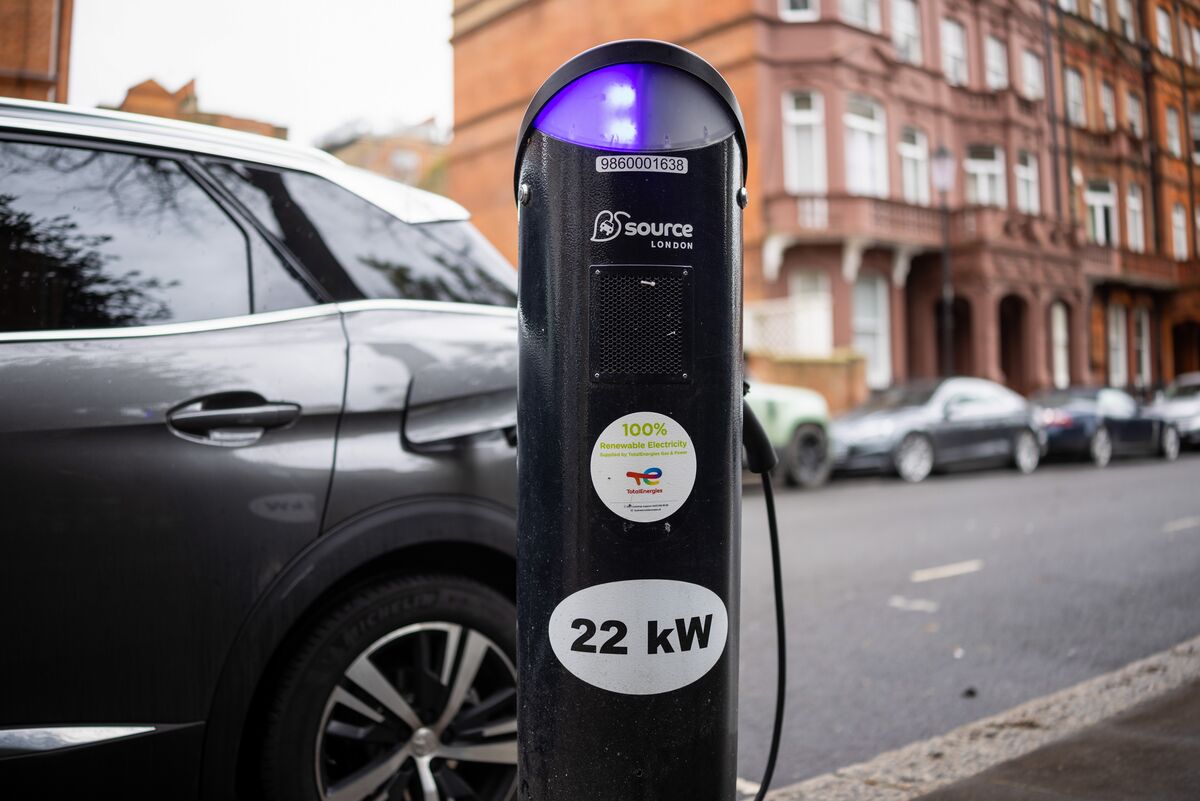
The UK government will boost electric-vehicle subsidies to offset an expected tax increase on cars in next week’s budget, with Chancellor Rachel Reeves set to announce an additional £1.3 billion ($1.7 billion) in EV grant funding that officials say will cut thousands of pounds off the up-front cost of buying an EV; the move is aimed at cushioning consumers from higher motoring taxes while sustaining EV adoption.
The UK government will add £1.3 billion ($1.7 billion) of additional electric-vehicle grant funding, Chancellor Rachel Reeves plans to announce, to reduce up-front EV purchase costs by “thousands of pounds” as ministers seek to blunt an expected motoring tax increase in next week’s budget. The policy is explicitly framed as compensatory: subsidies to cushion consumers from higher car-related taxes while preserving the incentive to buy EVs.
The measure should support near-term EV demand and is likely to be modestly positive for OEMs and EV-related infrastructure providers by lowering purchase friction; sentiment indicators rate the news mildly positive with a market-impact score of 0.35, implying limited but tangible upside. The announcement signals government willingness to use targeted fiscal support to manage the transition dynamics between taxation and adoption rather than removing incentives.
Key risks are fiscal trade-offs and policy durability: the net effect depends on budget details such as eligibility, duration and interaction with the tax increase, which could still depress ownership economics if not calibrated. Investors should therefore treat this as a demand-smoothing, not transformational, policy and monitor the budget text and implementation timeline for changes to stimulus scope or duration.
AI-powered research, real-time alerts, and portfolio analytics for institutional investors.
Request DemoOverall Sentiment
mildly positive
Sentiment Score
0.35
