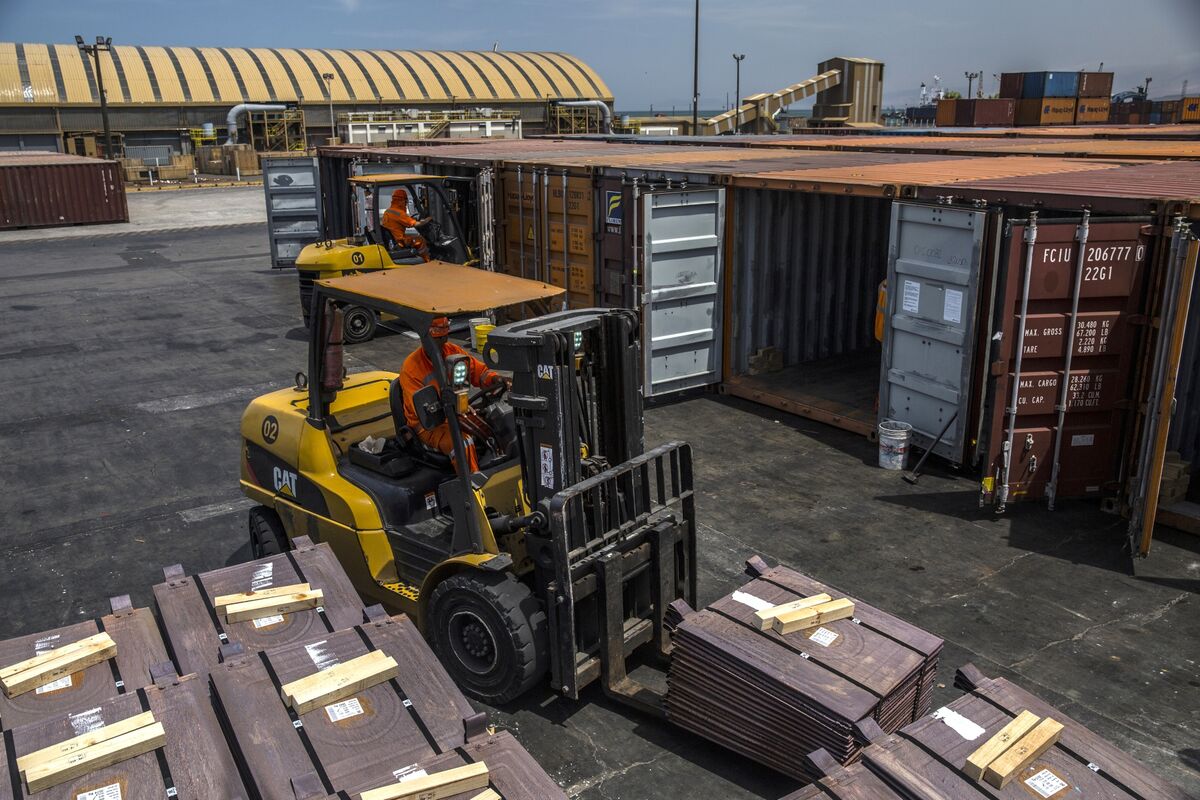
At least four copper-laden ships are racing to reach US ports before August 1st to avoid a newly announced 50% import tariff on the metal, a measure proposed by President Trump. This urgent movement signifies the final phase of a lucrative arbitrage trade that has significantly disrupted the global copper market.
The imminent implementation of a 50% US import tariff on copper, effective August 1st, has triggered a significant, time-sensitive market reaction. At least four vessels are currently accelerating shipments to US ports to preempt the levy, representing the final phase of a lucrative arbitrage trade that, according to the report, has already created considerable disruption in the global copper market. This rush to offload inventory highlights the material impact of the proposed trade policy, creating a temporary surge in US-bound supply. The situation underscores a period of acute market dislocation, where traders are capitalizing on the closing window before the tariff fundamentally alters regional pricing and supply chain economics for the industrial metal.
AI-powered research, real-time alerts, and portfolio analytics for institutional investors.
Request DemoOverall Sentiment
mixed
Sentiment Score
-0.10
