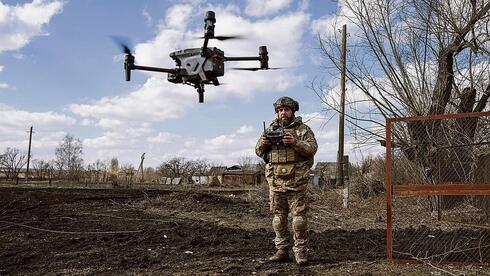
Ukraine said it captured an enemy position using only unmanned systems, highlighting rapid advances in autonomous warfare and battlefield robotics. The article says Ukraine plans to buy about 25,000 unmanned ground vehicles in the first half of the year and aims to replace up to 30% of front-line manpower with autonomous systems. It also argues that U.S. defense innovation is constrained by repair, IP and contract restrictions, while China and Israel are advancing faster models of drone swarms and modular robotics.
The investable takeaway is not simply “more drones,” but a structural shift from platform procurement to consumable attrition economics. That favors companies that sell modular subsystems, payloads, batteries, sensors, autonomy software, and field-serviceable kits, while pressuring legacy primes whose moat depends on closed architectures and slow certification cycles. In practice, the winners are likely to be the firms that can iterate hardware in 30-90 day loops and bundle software upgrades into repeatable revenue, rather than those optimizing for 10-year program durability.
The second-order effect is a procurement reallocation inside allied defense budgets: even if headline spending rises, the mix should tilt away from fewer expensive platforms toward more numerous unmanned systems and support infrastructure. That is bullish for Israeli-style modular robotics and for suppliers embedded in the “picks and shovels” layer of autonomy. It is also a warning sign for traditional air-defense economics, because cheap autonomous mass forces defenders into a cost-exchange ratio where every successful interception consumes scarce high-end munitions.
The biggest consensus miss is that regulation is not just a drag; it can become a competitive moat for the few companies that solve compliance without sacrificing repairability. If Western militaries move toward open-architecture standards, the market may initially underprice how quickly software-defined defense revenue can compound. The near-term catalyst window is 6-18 months as procurement pilots, emergency wartime buying, and interoperability mandates accelerate; the key reversal risk is any battlefield shock that reveals autonomy is less robust in EW-heavy environments than current demos imply.
AI-powered research, real-time alerts, and portfolio analytics for institutional investors.
Request DemoOverall Sentiment
mildly positive
Sentiment Score
0.20
Ticker Sentiment
