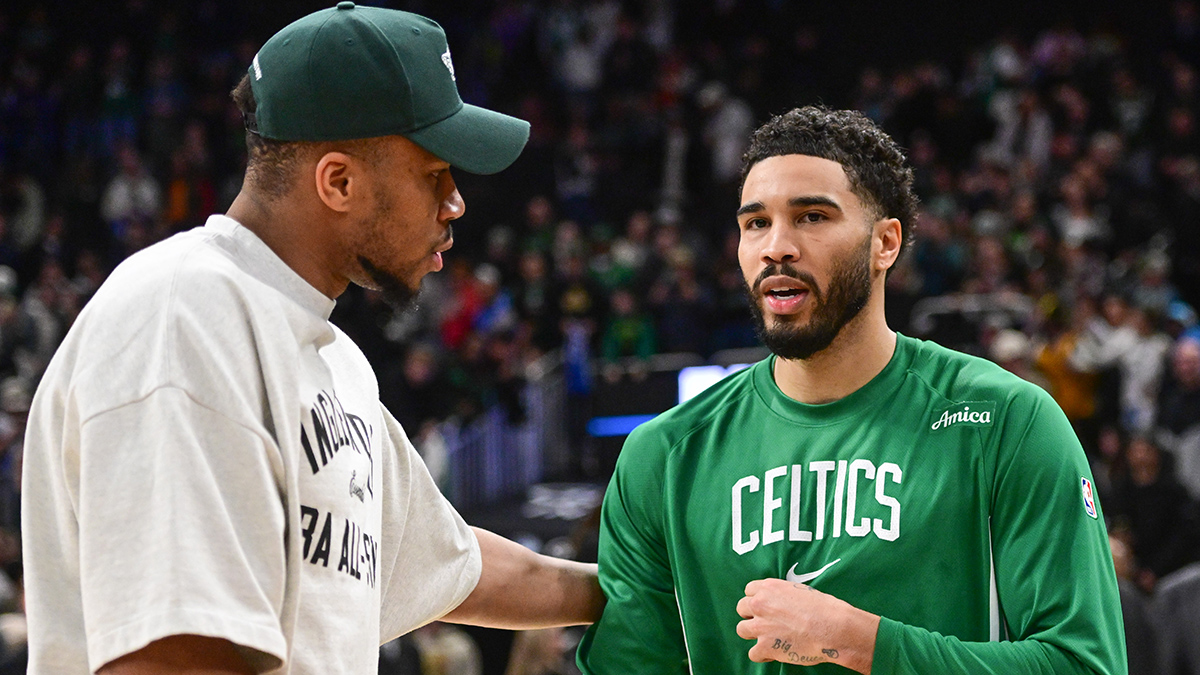
The Bucks are reportedly open to trade offers for Giannis Antetokounmpo, with a potential deal window between June 10 and June 23 before the 2026 NBA Draft. The Celtics, Warriors, and Heat are among the teams linked to possible pursuit, though any Boston trade would likely require moving Jaylen Brown. The article is largely speculative and centers on offseason roster positioning rather than a confirmed transaction.
This is less a basketball story than a near-term volatility event for sentiment names tied to legacy franchises and media narratives. The key market dynamic is that a Giannis move would likely be decided in a compressed window after the Finals and before the draft, which means the information flow should matter more than the eventual transaction: rumors, leaked frameworks, and agent signaling can move related assets in days, while the actual roster impact plays out over months. The biggest second-order effect is on the Celtics’ optionality. If Boston is perceived as a real bidder, the market may start assigning a higher probability to a major roster reshuffle that is value-accretive only if the team can keep enough two-way depth around Giannis; otherwise, the franchise risks swapping a more balanced contender for a top-heavy, injury-sensitive build. That creates asymmetric downside for any core-piece sacrificed in a deal, because the trade is not just about acquiring a superstar — it is about whether the remaining cap and tax structure still supports a championship-caliber rotation. The broader conference implication is that Milwaukee’s willingness to entertain offers effectively turns every contender with a tradable blue-chip asset into a potential winner if they can stay out of the bidding war. The market often overprices the first team publicly linked, but underprices the team that can quietly assemble the cleanest extension path and least cumbersome asset package. The contrarian read is that Boston may be the most discussed suitor, yet the more realistic outcome could be a team with fewer emotional attachment costs and a cleaner prospect/pick bundle. Tail risk is that the situation drags into late June, keeping uncertainty elevated into the draft and forcing teams to commit assets before full clarity on other offseason options. If no deal happens by the draft, the entire narrative can unwind quickly, and any short-term “asset scarcity” premium in trade rumors will fade. Conversely, once one contender exits the sweepstakes, the remaining bidders gain leverage and the final price can step down materially within 24-48 hours.
AI-powered research, real-time alerts, and portfolio analytics for institutional investors.
Request DemoOverall Sentiment
neutral
Sentiment Score
0.12
