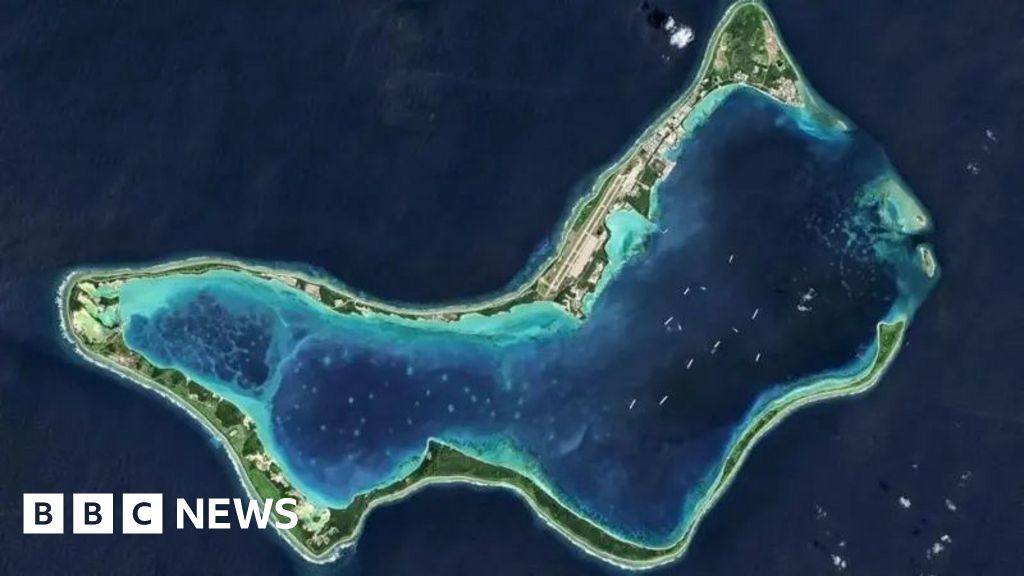
The UK government's bill to enact the Chagos Islands deal — which would transfer sovereignty to Mauritius while leasing back Diego Garcia as a joint UK‑US military base — has been pulled from a scheduled Lords debate after Conservative peers tabled an amendment calling for a pause amid changing geopolitical circumstances. The deal, signed by PM Keir Starmer last May, would see the UK pay Mauritius an average of £101m a year for 99 years (reported net cost c.£3.4bn) and creates a 24‑mile buffer around Diego Garcia; opponents cite a potential breach of the 1966 UK‑US treaty and warn of legal and sovereignty risks that could delay implementation and sustain political uncertainty. U.S. reaction has been mixed, with former President Trump criticising the deal while senior U.S. officials publicly welcomed it, leaving execution and investor implications contingent on further parliamentary and diplomatic developments.
Market structure: The immediate winners are large defense contractors and UK/US logistics providers that support forward basing (Lockheed Martin LMT, Northrop Grumman NOC, RTX). Losers are political-sensitive UK assets (domestic contractors exposed to regulatory drag) and short-term sterling sentiment; the £101m/year payment is modest vs defence budgets but the strategic guarantee lifts demand for long-duration defense services and sustainment contracts over 3–10 years.
Risk assessment: Tail risks include a US-UK treaty dispute or legal challenge that curtails Diego Garcia access (low probability, high impact) and a prolonged parliamentary impasse (>90 days) that triggers FX/gilt volatility; catalyst calendar: Lords/Commons ping-pong re-scheduling in next 30–60 days and any US administration reversal. Hidden dependency: US approval under the 1966 Treaty is binary — Washington’s public flip-flops materially change market pricing.
Trade implications: Favor long exposure to large US defence primes for 3–12 months (expected asymmetric upside +8–15% if deal stabilises) and tactical GBP downside hedges for 0–3 months around key votes. Use conservative option structures (3–6 month call spreads on LMT/NOC sized 0.5–1% portfolio) rather than outright buys to cap downside; avoid leverage into UK small-caps until political clarity.
Contrarian angle: Markets under-price legislative inertia risk — a temporary delay does not equal deal death; if Bill passes within 90 days, short-term GBP dip will reverse and defence stocks will gap higher. If delay extends beyond 3 months, risks compound and sterling could trade 2–4% weaker, creating a tactical signal to add UK-listed defence exposure and cut domestically-focused cyclicals.
AI-powered research, real-time alerts, and portfolio analytics for institutional investors.
Request DemoOverall Sentiment
moderately negative
Sentiment Score
-0.30
