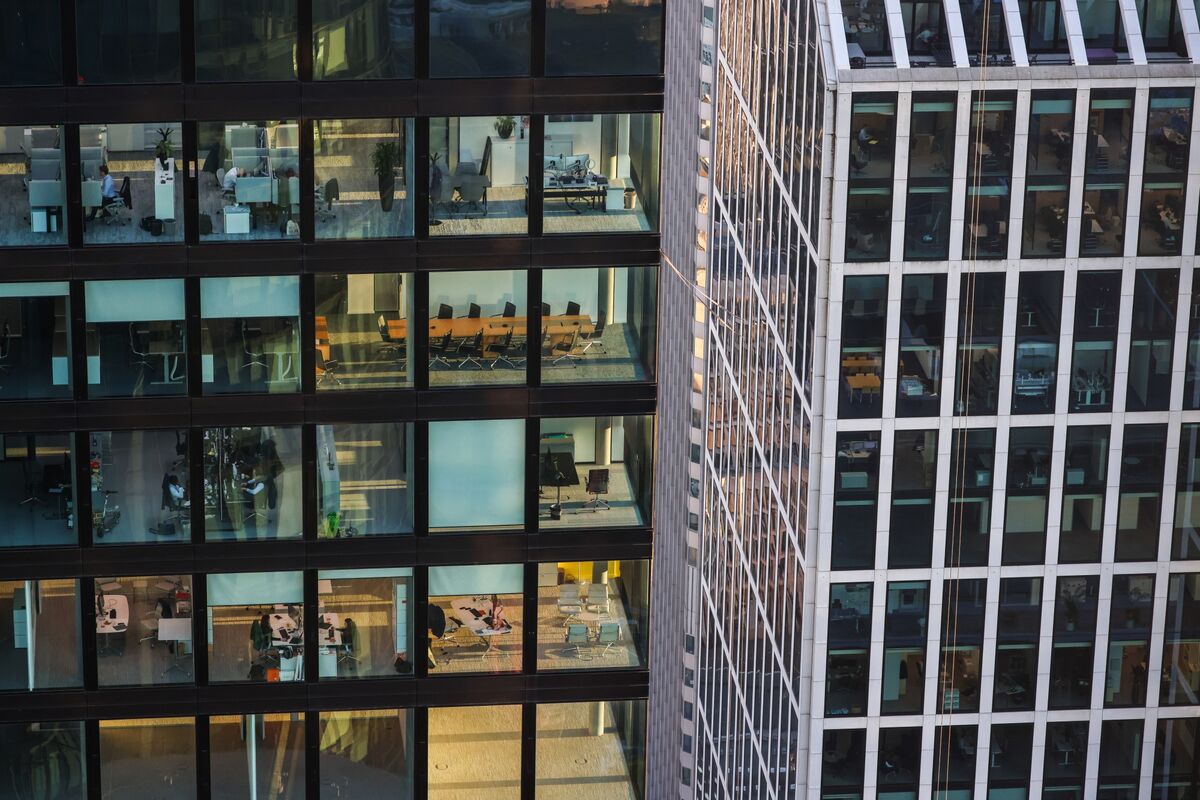
A recent report from a German government-led commission warns of potential further declines in German commercial property prices, citing structural shifts like increased online shopping and remote work, alongside stricter energy requirements. The report, presented to German lawmakers, indicates that accelerated withdrawals from open-ended real estate funds could amplify these pressures, noting that last year's price stagnation may have been distorted by low transaction volumes.
A German government-led commission report indicates significant downside risk for the country's commercial property market, signaling that the sector is susceptible to further price declines. The negative outlook is driven by a convergence of structural headwinds, including the persistent shift to e-commerce and remote work, which erode demand for retail and office space, respectively. Compounding these pressures are stricter energy requirements, which threaten to increase operating costs and render older, non-compliant buildings obsolete. The report critically notes that last year's price stagnation may be a misleading indicator of stability, as a low volume of transactions could be masking a lack of true price discovery. A key amplification risk highlighted is the potential for accelerated withdrawals from open-ended real estate funds, which could force asset sales into an illiquid market and create a negative feedback loop of falling prices.
AI-powered research, real-time alerts, and portfolio analytics for institutional investors.
Request DemoOverall Sentiment
strongly negative
Sentiment Score
-0.65
