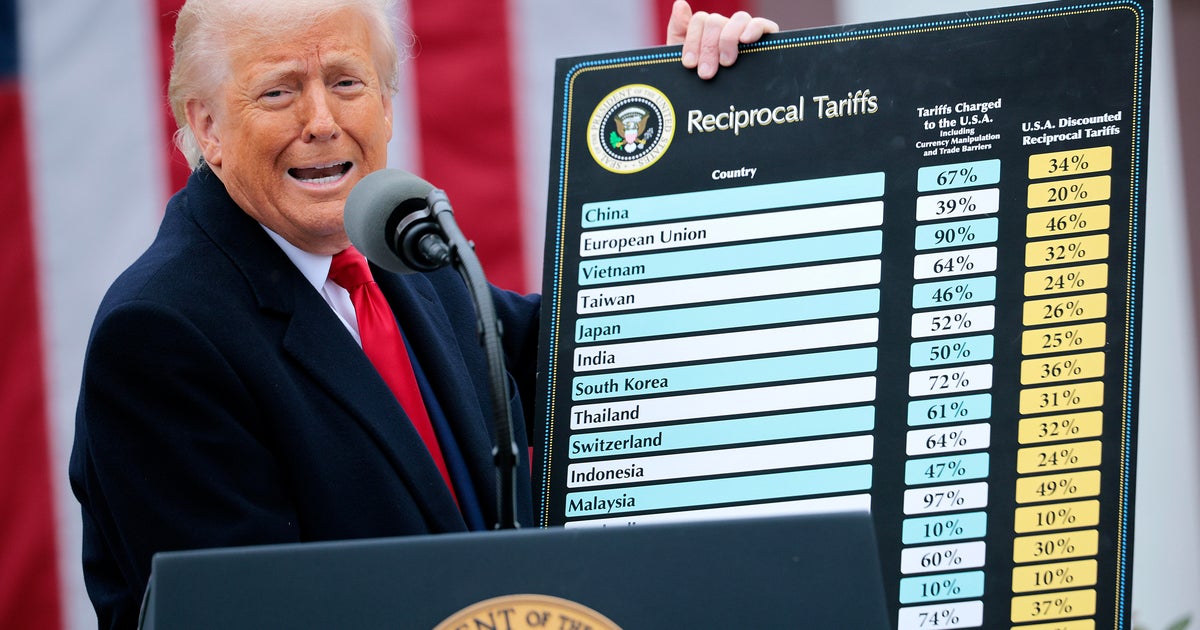
A federal appeals court has ruled that President Trump unlawfully imposed country-based tariffs using the IEEPA, potentially making American businesses eligible for over $70 billion in refunds from the $200 billion collected since October. However, President Trump's appeal to the Supreme Court creates significant uncertainty regarding the refunds and immediate business pricing strategies. Should the ruling be upheld, the U.S. government faces a substantial financial obligation, which could impact Treasury finances and necessitate a complex, likely non-automatic, refund process, potentially leading to increased bill supply.
A federal appeals court has determined that the Trump administration's use of the International Emergency Economic Powers Act (IEEPA) to implement country-based tariffs was unlawful, creating a potential liability for the U.S. government exceeding $70 billion in refunds to American businesses. This amount stems from the more than $200 billion in total tariffs collected since last October. However, the administration's appeal to the Supreme Court, filed ahead of the ruling's October 14 effective date, introduces significant uncertainty, currently preventing any definitive action. This legal ambiguity is causing immediate operational challenges for businesses, particularly regarding pricing strategy, as noted by logistics experts who highlight the difficulty in managing customer pricing amidst such volatility. Should the court's decision be upheld, the mechanism for refunds remains a critical open question. Experts believe an automatic refund process is unlikely, with historical precedent and expert analysis pointing towards a scenario where companies would need to file individual requests. This could create a burdensome administrative process that may deter smaller importers from pursuing claims. From a macroeconomic perspective, financing these large-scale refunds would strain U.S. Treasury finances, likely compelling an increase in Treasury bill supply, which could in turn pressure short-term funding spreads, according to analysis by TD Securities.
AI-powered research, real-time alerts, and portfolio analytics for institutional investors.
Overall Sentiment
mildly negative
Sentiment Score
-0.30
