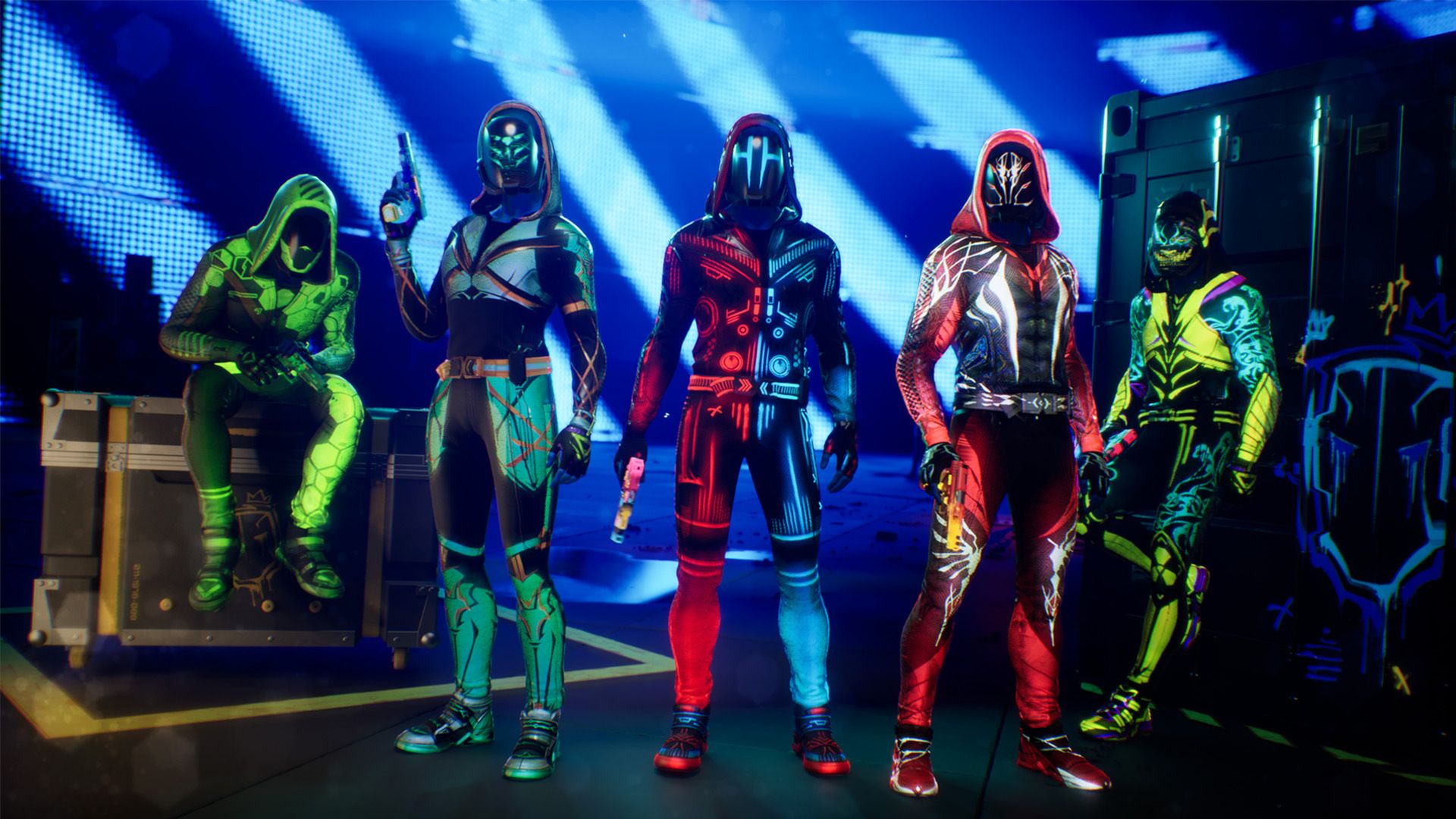
Blindfire has exited early access and is now free to play, with Double Eleven committing to keep servers online indefinitely even though active development ended about a year ago. The final release adds two weapons, achievements, new skins, full haptic support, and an Audio Aim Assist feature for blind and partially sighted players. The move is primarily a product/community update rather than a financially material event.
The economically important signal here is not the game itself; it is the cost structure of live-service maintenance when monetization fails. Once a title has low concurrent users, the server-keeping decision becomes a tiny opex line item versus the much larger reputational value of avoiding a shutdown narrative, so more publishers may choose “freeze and preserve” over cancellation. That implicitly raises the bar for future online launches: buyers will increasingly expect permanence, and studios that can’t credibly support long-tail communities may see weaker day-one conversion even if reviews are solid.
The second-order winner is the niche-accessibility angle. Features built for blind and partially sighted players can create an unusually sticky minority cohort, which matters because a small but passionate user base often outlives broad-market appeal and can justify minimal ongoing support. Expect accessibility to shift from compliance/PR to retention strategy in multiplayer design, especially in genres where sensory differentiation can create a defensible niche.
For the broader games market, the key read-through is that product failure no longer necessarily ends the asset’s life; it can be repurposed as a brand goodwill event. That lowers the terminal-value haircut on some underperforming online titles, but only if server costs stay trivial and the studio has no near-term opportunity cost. The real risk is hidden expectations: if players start believing every game should be preserved indefinitely, publishers with larger live-service footprints face a much steeper obligation curve and potential legal/consumer-pressure overhang over the next 12-24 months.
Contrarian take: this is bullish for smaller studios’ reputation, but mildly bearish for the economics of mediocre live-service launches. The market may be underpricing how often “we’ll keep it up” becomes a default post-mortem because it is cheaper than managing backlash. That favors publishers with disciplined content pipelines and discourages capital allocation to mid-quality online titles that can’t become durable communities.
AI-powered research, real-time alerts, and portfolio analytics for institutional investors.
Request DemoOverall Sentiment
neutral
Sentiment Score
0.05
