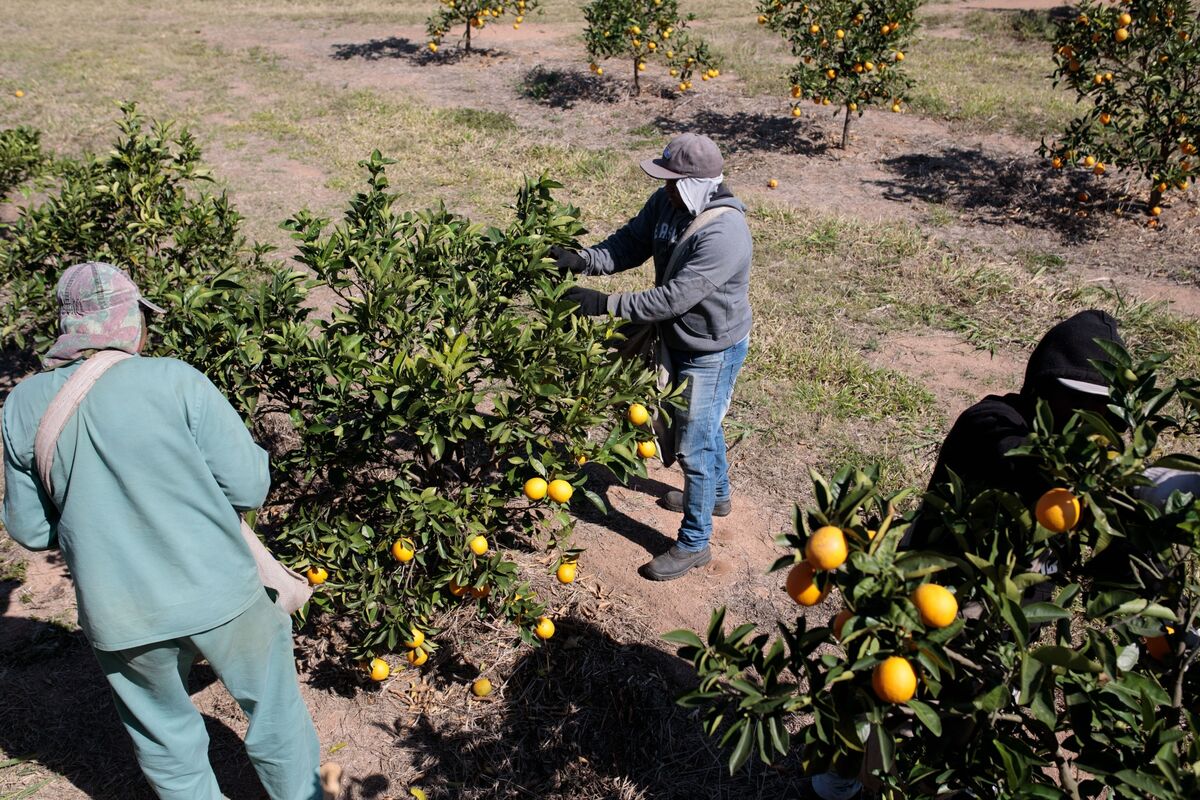
Orange juice futures climbed to a four-month high, surging as much as 8.7% to $3.1385 a pound, driven by mounting concerns that President Trump’s proposed 50% tariff on Brazilian goods will significantly curtail US supply. This tariff threat not only risks disrupting orange juice imports but also has broader implications for trade in other commodities such as coffee and beef.
Orange juice futures have experienced a significant price surge, with the most active contract climbing as much as 8.7% to a four-month high of $3.1385 per pound. This rally is a direct market reaction to geopolitical risk, specifically the threat of a 50% US tariff on Brazilian goods. The market is pricing in a potential supply-side shock, as such a tariff would drastically increase the cost of imports from a key supplier to the US. The speculative nature of this price movement is notable, as it is driven by a potential policy change rather than an existing shift in fundamental supply or demand. The event highlights the acute sensitivity of commodity markets to trade policy rhetoric, with the article also noting potential spillover effects on other commodities imported from Brazil, including coffee and beef.
AI-powered research, real-time alerts, and portfolio analytics for institutional investors.
Request DemoOverall Sentiment
mixed
Sentiment Score
0.00
