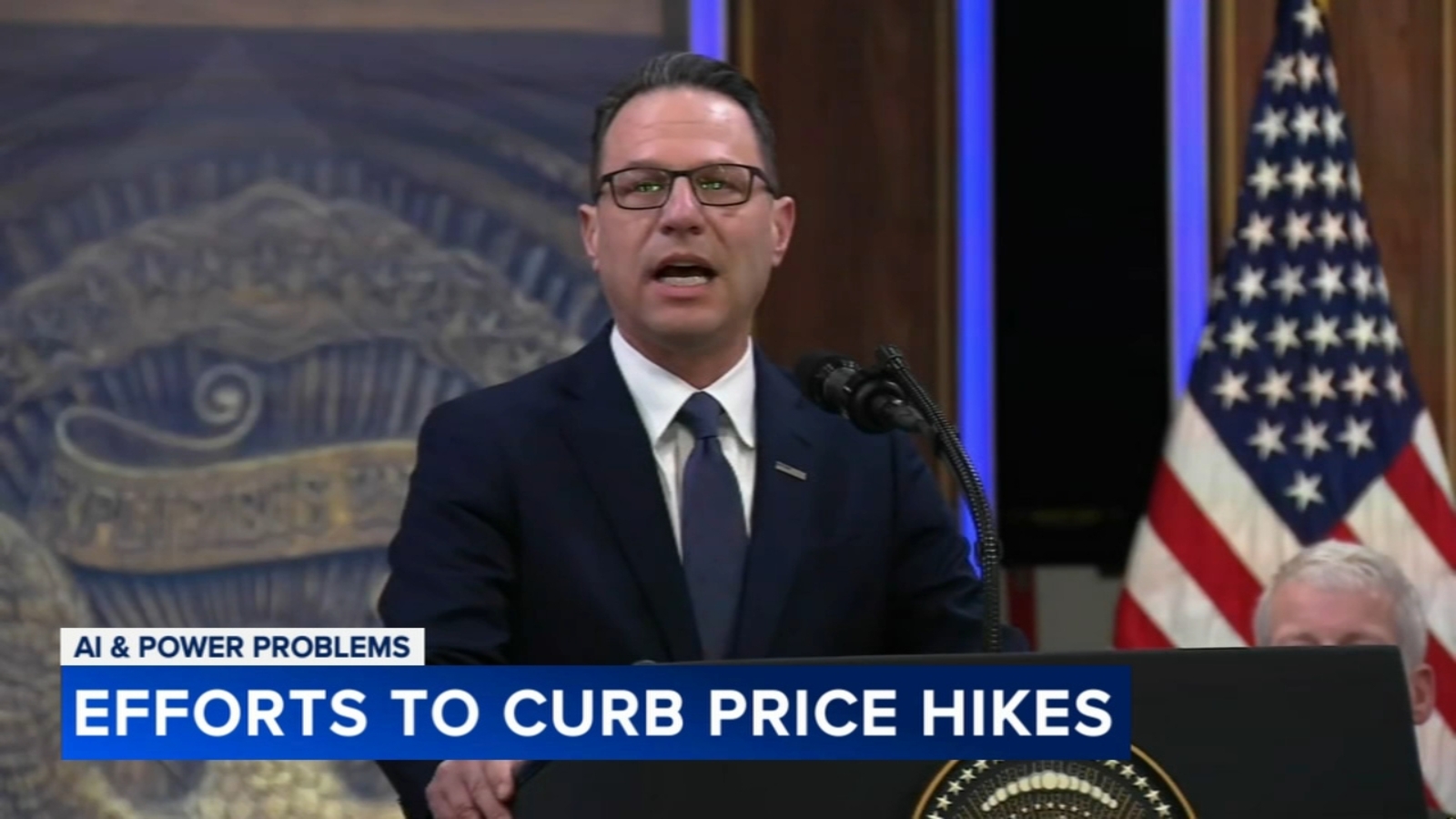
The Trump administration and a bipartisan group of mid‑Atlantic governors urged PJM Interconnection to hold a power auction requiring tech companies to bid and fund new generation and to extend a wholesale payment cap (in place through mid‑2028) to blunt rising consumer electricity bills driven in part by AI‑heavy data centers. PJM said it is finalizing its own plan after months of work; stakeholders including major tech trade groups and utilities signaled conditional support but flagged regulatory and permitting hurdles, raising policy and investment uncertainty for utilities, grid operators and large electricity consumers across a 13‑state region.
Market structure: Governors' push to force tech-funded capacity auctions shifts costs from residential ratepayers to hyperscalers (GOOGL, MSFT, AMZN, META) and creates winners among regulated transmission owners and large gas producers that can underwrite new generation (e.g., AEP, EQT). Merchant generators that rely on unconstrained capacity-market pricing (e.g., NRG-like profiles) face compressed revenue if caps are extended; expect a rotation from merchant to regulated/regulatory-exposed equities over 6–24 months. The supply/demand balance points to growing capacity strain in PJM into 2026–2028 as AI-driven load grows, lifting short-term gas demand and tightening power-on-peak margins.
Risk assessment: Tail risks include FERC-mandated structural reforms that either (a) force techs to buy long-term capacity and accelerate builds, or (b) extend caps to 2030+, causing generator retirements and blackouts—both material for equity and credit spreads in power. Near-term (days–weeks) risk is headline-driven volatility around PJM plan release; medium-term (3–12 months) is capacity auction outcomes; long-term (2–5 years) is transmission permitting and build timelines. Hidden dependencies: state permitting bottlenecks, PPA negotiation speed, and gas pipeline constraints; a single FERC ruling can reprice the entire complex.
Trade implications: Direct plays — establish 2–3% long in MSFT/GOOGL via 3–6 month call spreads (capture policy tailwind to AI demand) while shorting 1–2% exposure to merchant generators (NRG) or buying 6–9 month puts on them. Pair trade — long AEP (1.5–2%) + long EQT (1–2%) vs short NRG (1.5%) to express regulated/transmission and upstream gas upside vs merchant stress. Options — sell short-dated covered calls on tech to finance calls protection; buy 9–12 month puts on merchant generators as tail hedges. Entry/exit: scale into these over next 30–60 days around PJM/FERC announcements; trim on plan clarity or >15% move.
Contrarian angles: Consensus assumes tech will be disciplined and pay for buildout; missing is the probability that auctions get gamed or stalled by permitting, which would keep wholesale prices high—favoring gas producers and transmission contractors but punishing consumers. Reaction to governors’ pressure may be overdone in short-term (sell-the-news in merchant generators); underappreciated is potential upside to MSFT/GOOGL if auctions clear quickly and cap extension is avoided. Historical parallel: capacity-market interventions in 2014–2016 temporarily depressed merchant returns but ultimately accelerated regulated investment and M&A — expect similar consolidation opportunities in 12–36 months.
AI-powered research, real-time alerts, and portfolio analytics for institutional investors.
Request DemoOverall Sentiment
mildly negative
Sentiment Score
-0.25
Ticker Sentiment
