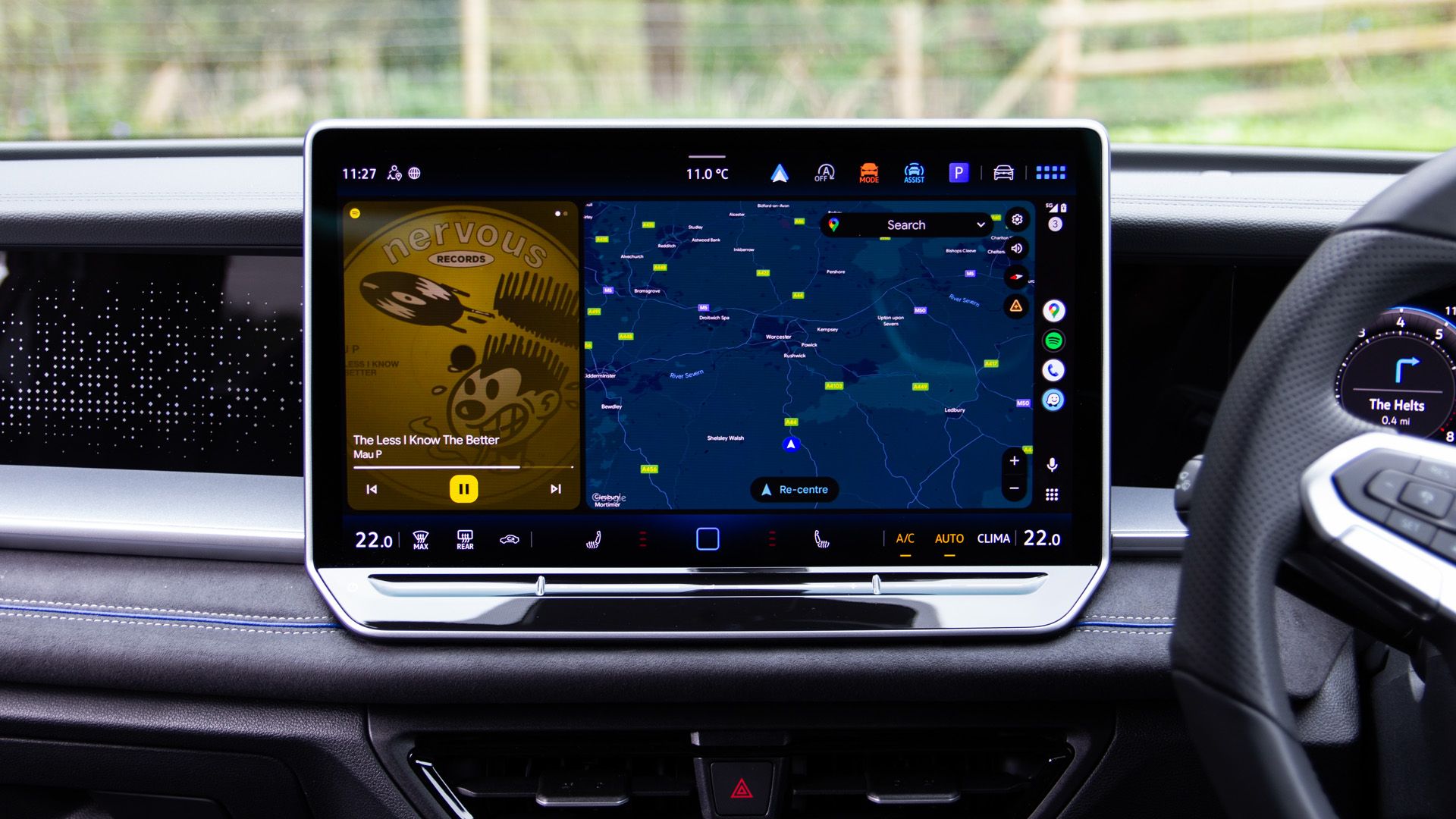
Key event: Android Auto appears to be rolling out a YouTube Player that provides audio-only playback of YouTube content in-car, with limited controls (play/pause/skip) and no browsing or video playback while driving. Spotted on Reddit, the feature is a user-facing convenience improvement but constrained by safety-oriented limits and minimal likely commercial or market impact for platform owners.
If user-generated video audio becomes a persistent part of in-car infotainment, Alphabet’s monetization levers — ad inventory, session length, and subscription upsell — get a structural tailwind that compounds over quarters rather than days. Expect a step-up in mobile audio minutes concentrated in commuting hours; conservatively model a 3–8% lift in ad-serving opportunities across connected-driving sessions within 6–12 months, with disproportionate benefit to platforms that already have ad-targeting and measurement in place.
The ripple effects extend to silicon and middleware suppliers: sustained in-vehicle streaming increases demand for telematics modems, audio DSP cycles, and OTA software management. That favors chipset and software vendors with existing OEM relationships (faster 6–18 month rollout) and creates a non-linear revenue ramp from recurring software/feature subscriptions versus one-off hardware sales.
Regulatory and legal tail-risk is asymmetric and multi-year. Accident attribution, state-level distracted-driving statutes, and insurer-driven liability cases can force tighter APIs, remove browsing or limit features, or impose compliance costs; any substantive regulatory action would likely manifest over 12–36 months and could wipe out a portion of the nascent ad uplift.
Given the profile — modest near-term user benefit, meaningful medium-term monetization, and non-trivial regulatory downside — positioning should be directional but hedged. Watch OEM partnership announcements, NHTSA guidance, and quarterly ad revenue metrics as primary catalysts for re-pricing.
AI-powered research, real-time alerts, and portfolio analytics for institutional investors.
Overall Sentiment
mildly positive
Sentiment Score
0.15
Ticker Sentiment
