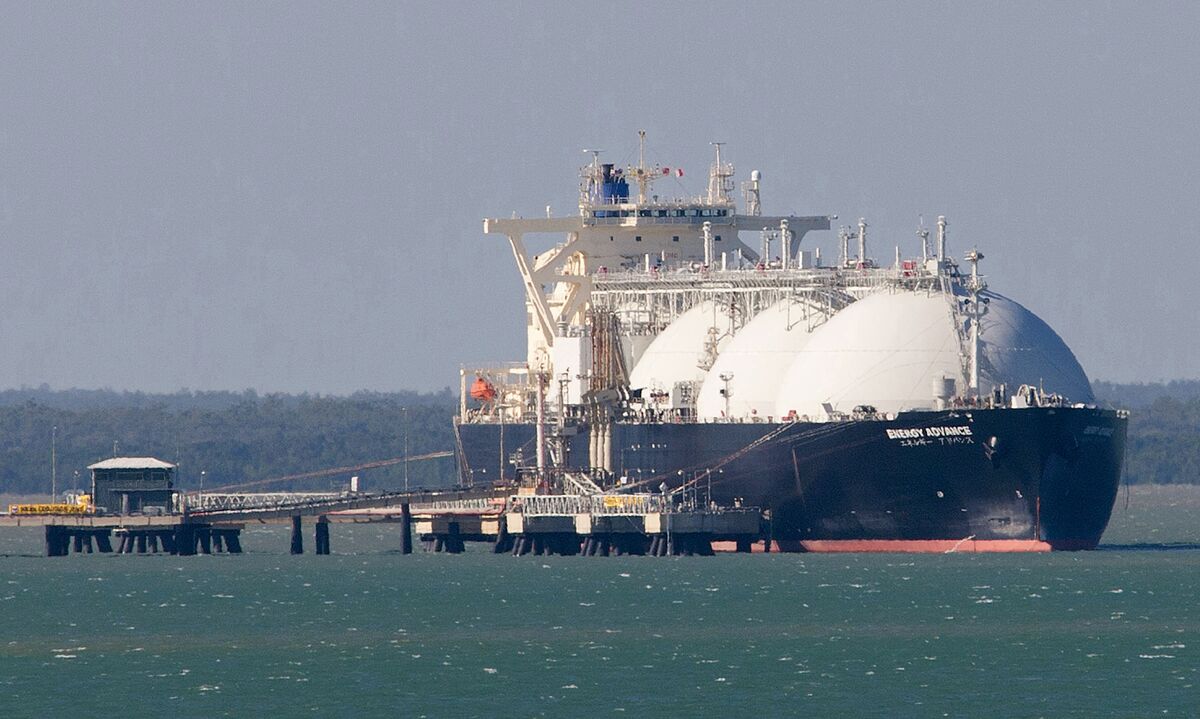
Australia needs more natural gas urgently to avoid a domestic shortfall later this decade, according to Shell Australia chair Cecile Wake. Executives said the Middle East conflict has highlighted global dependence on oil and gas, reinforcing the case for additional gas investment. The article is largely a policy and supply warning rather than a direct market-moving event.
The key second-order effect is not a near-term gas-price spike, but a policy repricing of Australian energy security risk. Once governments publicly frame domestic gas adequacy as a national vulnerability, approvals for upstream projects, midstream capacity, and even LNG export flexibility become more likely over the next 6-18 months. That is constructive for incumbents with reserve life and sanctioned infrastructure, but it also raises the probability of price ceilings, domestic reservation rules, or windfall-style interventions that cap upside for the sector. For Shell, the direct P&L impact is muted, but the optionality matters: the market is effectively being told that Australia’s gas tightness could persist later this decade, which supports long-dated LNG and upstream asset values. The more interesting winners are local gas producers, pipeline operators, and contractors exposed to permitting and take-out demand; the losers are gas-intensive industrials and power users that face a slower, more expensive supply buildout. The geopolitical framing also makes supply diversification politically sensitive, so projects with lower emissions intensity and faster sanction-to-production timelines should win capital allocation over greenfield megaprojects. The risk is that the market reads this as an immediate bullish commodity signal when the real catalyst is regulatory and multi-year. If policy moves faster than supply, domestic prices can stay elevated for several quarters; if approvals stall, the shortfall narrative intensifies into 2027-2029. Contrarian view: consensus may be underestimating how quickly intervention can blunt producer economics in Australia, especially if household power prices and election optics deteriorate. That makes the setup less attractive as a pure directional gas trade and more attractive as a relative-value trade versus exposed domestic industrials.
AI-powered research, real-time alerts, and portfolio analytics for institutional investors.
Request DemoOverall Sentiment
mildly negative
Sentiment Score
-0.25
Ticker Sentiment
