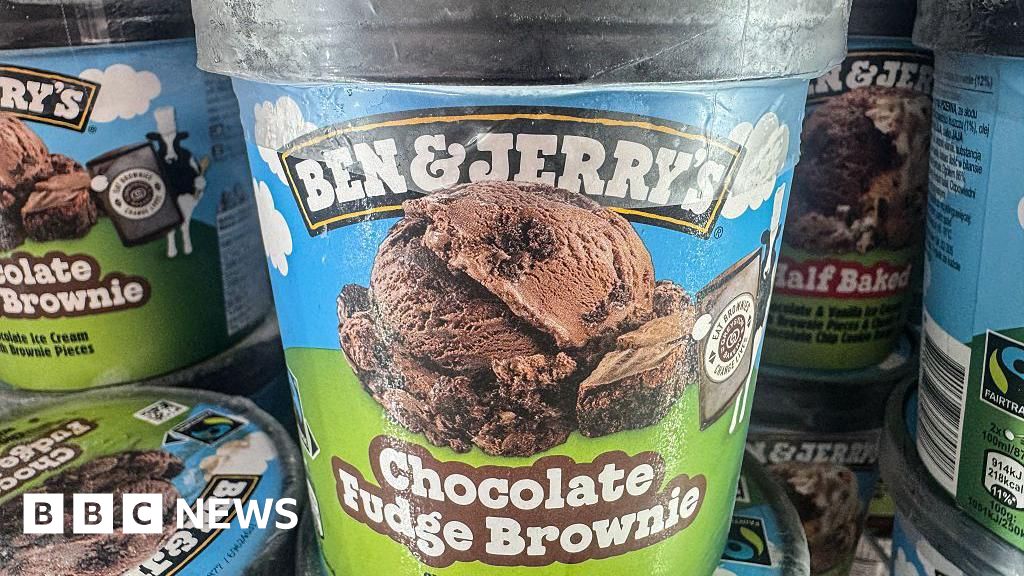
Ben & Jerry's has made three independent board members ineligible under new governance rules — including a nine-year term limit — with chair Anuradha Mittal departing immediately and Daryn Dodson and Jennifer Henderson leaving at year-end; the company says the changes are meant to "preserve and enhance" its social mission. Co-founder Ben Cohen called the move a "blatant power grab," escalating a long-running dispute over the firm's activist independence that has now been inherited by new owner Magnum Ice Cream Company after last week’s spinoff from Unilever. Coming after past clashes such as the 2021 Israel-related sales dispute and the recent exit of co-founder Jerry Greenfield, the episode heightens governance and reputational risk and clouds the company’s ability to sustain its activist brand positioning under Magnum.
Ben & Jerry's has made three independent board members ineligible under new governance rules that include a nine‑year term limit; Chair Anuradha Mittal will leave immediately while Daryn Dodson and Jennifer Henderson depart at year‑end. The change follows last week's spinoff that created Magnum Ice Cream Company as the firm's new owner and is presented by management as intended to "preserve and enhance" the brand's social mission. Co‑founder Ben Cohen called the move a "blatant power grab," escalating a long‑running dispute over board independence and activism.
The episode compounds prior flashpoints — notably the 2021 Israel‑related sales decision and co‑founder Jerry Greenfield's departure in September — and increases governance and reputational risk for a brand historically defined by activism. Signals classify the news as moderately negative (sentiment_score -0.45, tone: pessimistic) with a modest market impact score of 0.35, implying reputational fallout is more likely than immediate large financial shock. Public statements from both Cohen and Magnum frame a conflict over brand direction that could drive consumer or activist responses and operational disturbances in licensing or distribution.
Because the 2000 sale to Unilever preserved an independent board and explicit social‑mission rights, changes to governance under Magnum could materially alter how Ben & Jerry's positions itself in the market and how consumers perceive authenticity. Investors should focus on near‑term indicators — consumer sentiment, sales trends, any legal challenges or disclosures about governance changes, and further management turnover — to judge whether this governance dispute evolves into a financially material risk.
AI-powered research, real-time alerts, and portfolio analytics for institutional investors.
Request DemoOverall Sentiment
moderately negative
Sentiment Score
-0.45
