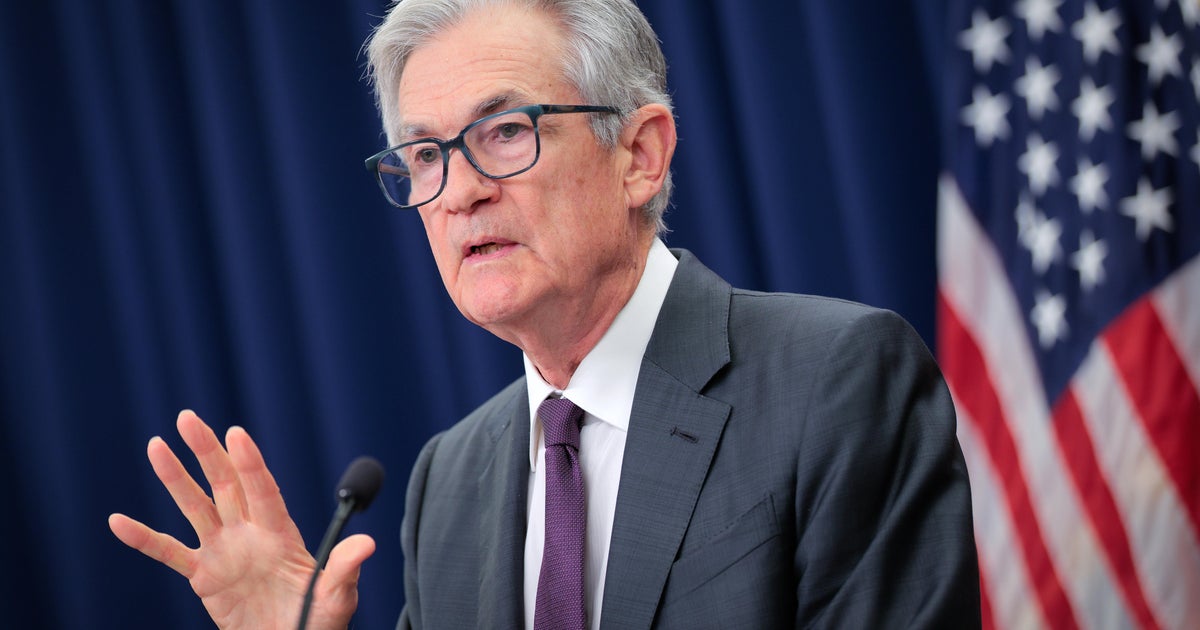
After a strong September payrolls report and a six-week government data blackout, odds of a Federal Reserve rate cut in December have collapsed—FactSet economists put the probability at 22% (CME FedWatch about 41%)—and market participants largely expect the Fed to hold the fed funds rate at 3.75–4.00% at its Dec. 9–10 meeting following two cuts in September and October. Employers added 119,000 jobs in September (above forecasts), the unemployment rate rose to 4.4% and annual inflation ticked up to 3%, prompting Fed officials, including Chair Powell, to signal caution and leaving the outlook dependent on delayed October data. The result is a higher-for-longer bias that could keep mortgage and auto borrowing costs elevated, though some economists still see cuts resuming early next year if subsequent data show labor-market weakening.
Market expectations for a December Federal Reserve rate cut have shifted sharply lower: FactSet economists now assign a 22% probability (down from 97% in mid-October) while CME FedWatch places odds at ~41%, and market participants largely expect the Fed to hold rates at the Dec. 9–10 meeting after two cuts in September and October. The federal funds target remains 3.75%–4.00%, and Fed Chair Powell has warned a December cut is not a "foregone conclusion," signaling a more cautious stance.
September economic data materially altered the near-term narrative: payrolls rose by 119,000—more than double consensus expectations—unemployment ticked up to 4.4% from 4.3%, and annual inflation rose to 3% in September. A six-week data blackout tied to the government shutdown delayed October data (to be folded into the November report released after the Fed meeting), creating meaningful information gaps that complicate the December decision.
Implications point to a higher-for-longer interest-rate environment that could keep mortgage and auto borrowing costs elevated, weighing on housing and consumer-sensitive sectors and contributing to softer sentiment. Several economists (e.g., Morningstar) now expect the Fed to skip December and potentially resume cuts in January 2026 only if labor-market weakness reappears, so the policy path remains data-dependent and hingeing on the delayed October/November releases.
AI-powered research, real-time alerts, and portfolio analytics for institutional investors.
Request DemoOverall Sentiment
moderately negative
Sentiment Score
-0.35
Ticker Sentiment
