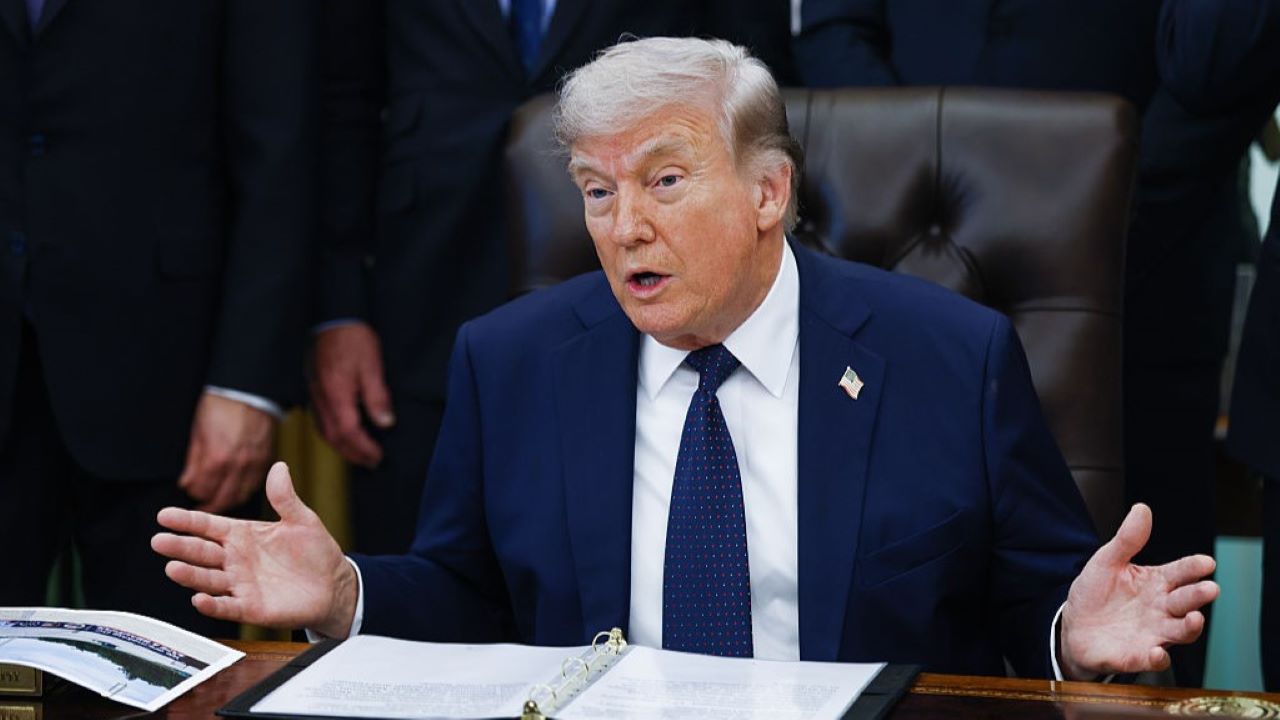
The article centers on escalating U.S.-Iran conflict dynamics, including Trump's rejection of a proposed peace deal, a U.S. blockade that has redirected 49 commercial vessels, and Iran's reported consideration of asymmetric retaliation. The conflict is also disrupting global supply chains, with PCB prices up as much as 40% in April and copper foil costs up 30% this year, raising costs for electronics and AI hardware. The broader risk tone is bearish for regional stability, energy flows through the Strait of Hormuz, and input-cost inflation across technology and industrial supply chains.
The market implication is not just higher headline oil volatility; it is a forced repricing of Gulf logistics risk. When commercial shipping is being rerouted and the Strait becomes a bargaining chip, the real spread to watch is not Brent alone but tanker rates, marine insurance, and downstream input costs for anything with a just-in-time Asia supply chain. That tends to benefit asset-heavy, North America–centric energy and defense names while hurting global industrials, semis, and consumer electronics margin structures even if crude itself never makes a straight-line move higher.
The more important second-order effect is duration: sanctions-plus-blockade pressure usually tightens quickly on physical flows, but the equity damage often arrives with a lag through inventory depletion and lead-time resets. PCB, copper foil, resin, and specialty chemical constraints can hit device OEM gross margins before analysts fully model them, and the pain is amplified for firms that were already stretched on AI capex and working capital. That creates a relative-value opportunity versus the obvious long-oil trade: suppliers with domestic sourcing and pricing power should outperform the broader hardware complex, while import-heavy consumer tech is the vulnerable leg.
The contrarian read is that near-term capitulation risk may actually be highest in Iran rather than in Washington markets. If the regime is genuinely searching for an off-ramp, the fastest reversal would come from a credible pause in enforcement or a partial corridor opening, which could unwind shipping premia and compress energy volatility within days. But unless there is an explicit de-escalation mechanism, this is still a months-long supply-chain story, not a one-week headline trade; the equity market typically underprices the persistence of logistics friction once rerouting and stockpiling begin.
The main tail risk is asymmetric escalation: any attack on Gulf infrastructure or a widening of blockade enforcement would force a convex move in freight, insurance, and defense spending expectations, while also raising the odds of retaliatory cyber or asymmetric attacks on critical infrastructure. That argues for owning optionality rather than outright beta if the goal is to express the risk. For portfolios, the cleanest expression is to be long the assets that monetize disruption and short the sectors that absorb it.
AI-powered research, real-time alerts, and portfolio analytics for institutional investors.
Request DemoOverall Sentiment
strongly negative
Sentiment Score
-0.60
Ticker Sentiment
