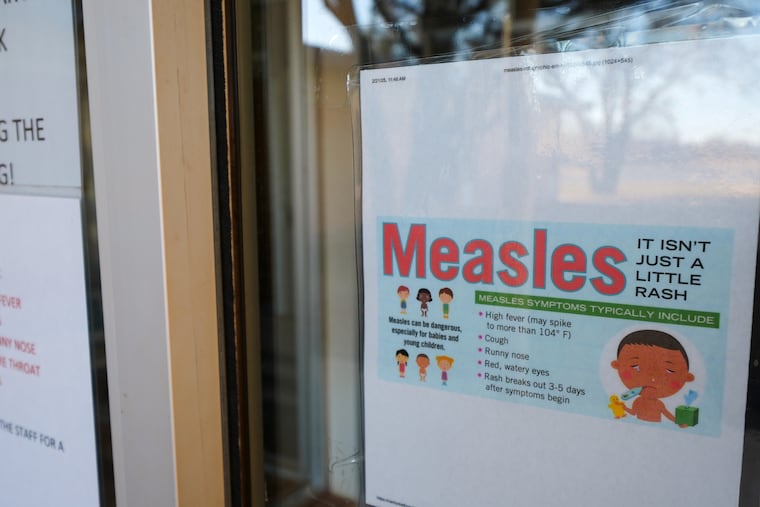
South Carolina health officials confirmed 99 new measles cases in three days as an outbreak centered in Spartanburg County has reached roughly 310 cases, with secondary cases reported in North Carolina and Ohio linked to travel. Low local vaccination rates and rising public exposure have led to about 200 people quarantined and nine in isolation, and officials warn hundreds more may be unknowingly exposed; the report notes other U.S. hotspots (337 cases on the Arizona‑Utah border) and 2,144 U.S. cases last year, highlighting a growing public‑health risk that could drive localized disruptions to schools, workforce attendance and travel.
Market structure: Immediate winners are retail vaccinators (CVS, WBA) and incumbent vaccine manufacturer Merck (MRK) as catch‑up MMR demand and clinic foot traffic rise locally; diagnostics (Thermo Fisher TMO, Quidel QDEL) see incremental PCR/serology testing demand. Losers are hyper-local travel/leisure exposures (regional hotels, small airlines) and any event/tourism plays in affected counties; national systemic market impact is low (market impact ~0.12) but pockets of revenue shift of 1–5% are plausible for local providers over 4–12 weeks.
Risk assessment: Tail risks include re-establishment of endemic transmission (CDC loss of elimination status) within 3–12 months, which could trigger sustained vaccine mandates and step‑function demand (high‑impact); operational risks include cold‑chain constraints and allocation priority that could cap immediate upside for manufacturers. Hidden dependencies: anti‑vax sentiment and state policy (school vaccine enforcement) will drive uptake more than raw case counts — watch school‑mandate votes and state procurement budgets over next 30–90 days as catalysts or brakes.
Trade implications: Tactical opportunities favor short‑dated, concentrated exposure to retail vaccinators and capped upside on large-cap vaccine exposure: prefer 1–3% tactical longs in CVS/WBA and 1–2% options‑defined longs in MRK/TMO; small tactical short (0.5–1%) in JETS or regional leisure names for 4–8 weeks to harvest travel‑hesitancy downside. Entry should be staged: initiate half size now, add on 10–20% pullbacks or if weekly national case growth >10%.
Contrarian angles: Consensus underestimates policy risk — a loss of elimination would materially re‑rate vaccine and diagnostics makers but is low probability short term; conversely the market may overreact on travel names given outbreak localization. Historical parallels (2019 measles spikes) produced transient revenue blips for manufacturers and durable public‑health spending increases; the mispricing is weak near‑term for MRK (cheap option exposure) and for pharmacy retail as a low‑volatility, high‑ROIC cash flow kicker.
AI-powered research, real-time alerts, and portfolio analytics for institutional investors.
Request DemoOverall Sentiment
moderately negative
Sentiment Score
-0.35
