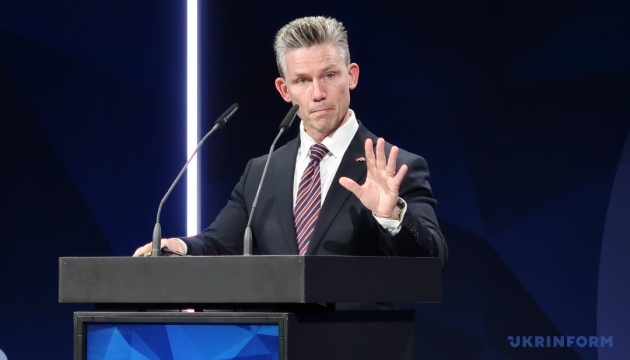
Sweden will allocate $1.6 billion to procure short-range mobile air defense systems to protect cities, bridges, ports, rail hubs, power plants and other critical infrastructure, with the first order expected in Q1 2026. Defense Minister Pål Jonson cited lessons from the war in Ukraine, and the systems are intended to counter helicopters, drones and low-flying fighters; Sweden has also recently transferred 26 Archer self-propelled artillery systems to Ukraine.
Market structure: Sweden's $1.6B SHORAD buy is a small-but-highly-signalling order that primarily benefits short-range intercept missile, radar/sensor and mobile-launch integrators — think Saab (SAAB-B.ST), Hensoldt (HAG.DE) and Rheinmetall (RHM.DE) — with likely downstream demand across NATO-aligned suppliers. The direct fiscal hit is negligible for sovereign bonds, but recurring procurement signals sustained defense capex that should lift defense equities and input commodities (steel, specialty alloys) over 12–36 months and raise sector implied volatility in options markets.
Competitive dynamics & supply/demand: Sweden’s preference for mobile, area-tied systems raises demand for C2, EO/IR and compact interceptors, tightening lead times and giving pricing power to niche sensor/missile makers; larger primes (RTX, LMT) can win through partnerships rather than single-vendor dominance. Expect component bottlenecks (seekers, processors, launchers) within 6–18 months, supporting margin expansion for well-capitalized suppliers with manufacturing capacity.
Risks & catalysts: Tail risks include export-control frictions, supply-chain shortages (rare earths, GaN semiconductors) or a political pivot to buy foreign systems; low-probability escalation of regional conflict would accelerate procurement and repricing within weeks. Key catalysts: Sweden’s RFP timeline (watch for formal specs by Q1 2026), NATO integration decisions, and further Nordic/EC joint procurements that could multiply addressable market by 2–5x over 3 years.
Contrarian view: The market may assume domestic incumbents get the order; procurement could instead favor proven foreign systems (NASAMS, C-RAM variants) — so single-name concentration is risky. Also $1.6B spread across hardware, software and lifecycle support could compress unit revenues for suppliers if Sweden seeks interoperability discounts; look for mispricings among small defence names with stretched multiples and limited order backlog.
AI-powered research, real-time alerts, and portfolio analytics for institutional investors.
Request DemoOverall Sentiment
neutral
Sentiment Score
0.05
