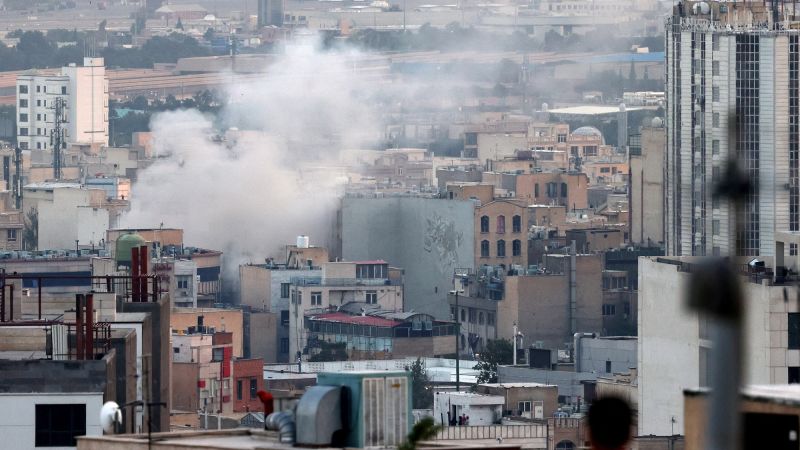
With diplomacy stalled in the Israel-Iran crisis, the US is positioning military assets, including three carrier strike groups, signaling a readiness to strike Iran's Fordow nuclear facility if a deal isn't reached within Trump's two-week deadline; while a diplomatic resolution remains the preferred outcome, Iran's refusal to engage on existing proposals and Israel's potential unilateral action against Fordow are also possibilities, leaving the crisis potentially unresolved with continued Israeli control of Iranian airspace and limited Iranian missile barrages.
The Israel-Iran crisis is at a critical juncture, defined by a two-week US-imposed deadline for a diplomatic resolution. The credibility of this deadline is reinforced by a significant US military buildup in the Middle East, including the positioning of three carrier strike groups—a show of force not seen since 2012—to prepare for a potential strike on Iran's buried Fordow enrichment facility. Despite this pressure, diplomatic efforts are stalled, with recent talks in Geneva yielding no progress and Iran refusing to engage on a pre-existing US proposal. The situation presents four distinct scenarios: a preferred but unlikely diplomatic settlement, a US military strike, a high-risk unilateral Israeli operation against Fordow, or a protracted, low-intensity conflict. The author assesses a US strike or a continued state of crisis as the most probable outcomes. This elevated geopolitical tension, reflected in a high market impact score of 0.7, creates a binary event risk for markets, with the potential for significant volatility hinging on whether a deal is reached or military action is taken.
AI-powered research, real-time alerts, and portfolio analytics for institutional investors.
Overall Sentiment
moderately negative
Sentiment Score
-0.40
