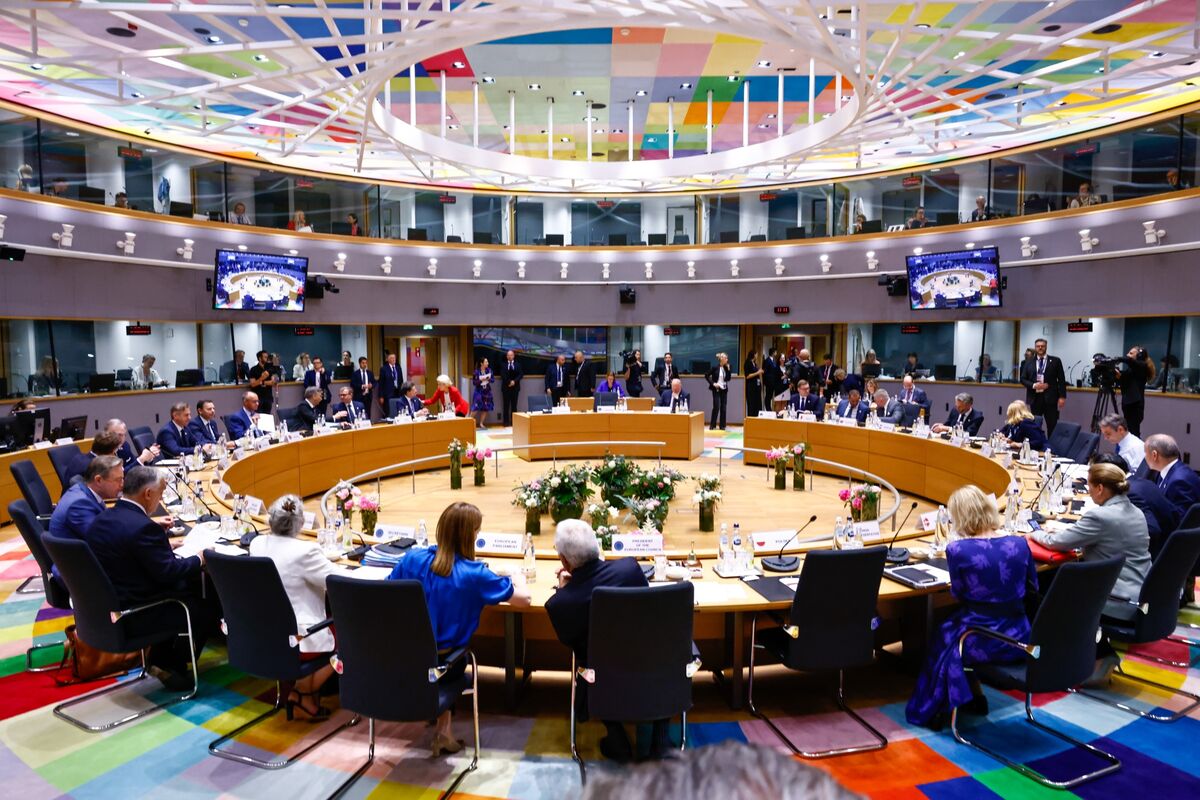
The European Union is increasingly likely to accept an 'asymmetric' trade deal with the US, unable to secure the full removal of threatened tariffs, including an anticipated 10% baseline levy, due to a lack of cohesive unity. This outcome, mirroring precedents like the UK's partial agreement and Canada's digital services tax withdrawal under US pressure, underscores the effectiveness of US tariff tactics. Despite Europe's concessions, financial markets are reacting positively to the emerging de-escalation path.
The European Union's negotiating stance on US tariffs is weakening due to a lack of internal cohesion, making an 'asymmetric' deal increasingly probable. This outcome would likely fail to secure a full removal of US levies, leaving a baseline 10% tariff in place. This scenario is reinforced by recent precedents, including the UK's 'bare-bones' agreement which maintained a 10% tariff and a 25% levy on steel and aluminum, and Canada's withdrawal of its digital services tax under US pressure. These events underscore the effectiveness of the US's hardline tariff strategy against fragmented counterparts. Despite the unfavorable terms for Europe, which reflect a pessimistic geopolitical development, financial markets are reacting positively, focusing on the de-escalation of trade conflict and the reduction of near-term uncertainty.
AI-powered research, real-time alerts, and portfolio analytics for institutional investors.
Request DemoOverall Sentiment
moderately negative
Sentiment Score
-0.40
