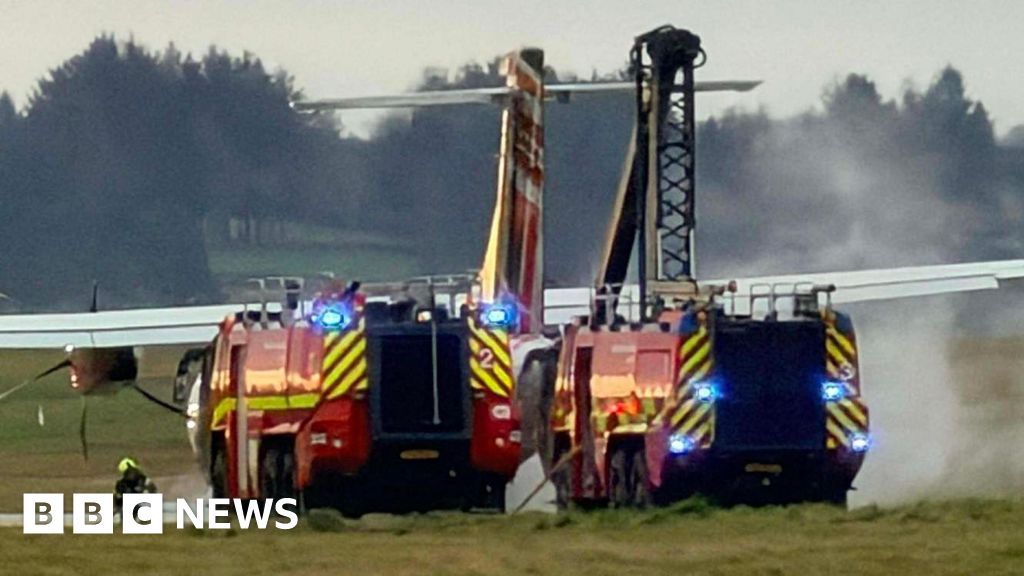
A Loganair ATR 72 scheduled to depart Aberdeen for Dublin was unable to take off due to a technical problem; fire crews attended, hosed the landing gear and passengers were disembarked with no injuries reported. Aberdeen Airport said crews attended as a standard precaution, two other flights were diverted and normal operations resumed, and Loganair will move the aircraft to its hangar for further inspection. The incident poses limited short-term operational disruption and modest reputational risk for the carrier but is unlikely to have material market impact.
Market structure: This single runway/ATR technical incident is incremental — winners are well-capitalized hub/airport operators and large network carriers able to absorb short regional friction; losers are small regional operators and third-party MROs that shoulder inspection costs. Expect potential 0–3% short-term revenue reallocation from small-region capacity to larger carriers over coming months if incidents cluster, improving pricing power for hubs and ground-handling specialists.
Risk assessment: Tail risks include a cluster of ATR/regional incidents triggering expanded EU/CAA inspections, temporary groundings, or higher liability premiums (a 10–30% rise in insurer pricing is plausible if incidents exceed a regulatory threshold, e.g., >3 events/month in a region). Immediate impact is operational (hours–days), short-term is reputational and cashflow (weeks–months), long-term is regulatory/insurance cost shifts (quarters).
Trade implications: Tactical trades favor long airport operators and large carriers with strong balance sheets, short concentrated regional exposure. Use size-controlled exposures (1–3% portfolio per idea) and options for asymmetric risk — e.g., 60–120 day puts on regional/jet ETF exposure. Rebalance if incident frequency or regulatory announcements accelerate within 30–90 days.
Contrarian angle: Markets will likely underprice cumulative operational risk until a cluster occurs — short-term knee-jerk selling of large airlines would be overdone; conversely, buying small-region operators after a single incident is risky. Historical precedent (episodic regional technical events) shows consolidation follows, creating 12–24 month alpha for hubs and airport owners.
AI-powered research, real-time alerts, and portfolio analytics for institutional investors.
Request DemoOverall Sentiment
neutral
Sentiment Score
0.00
