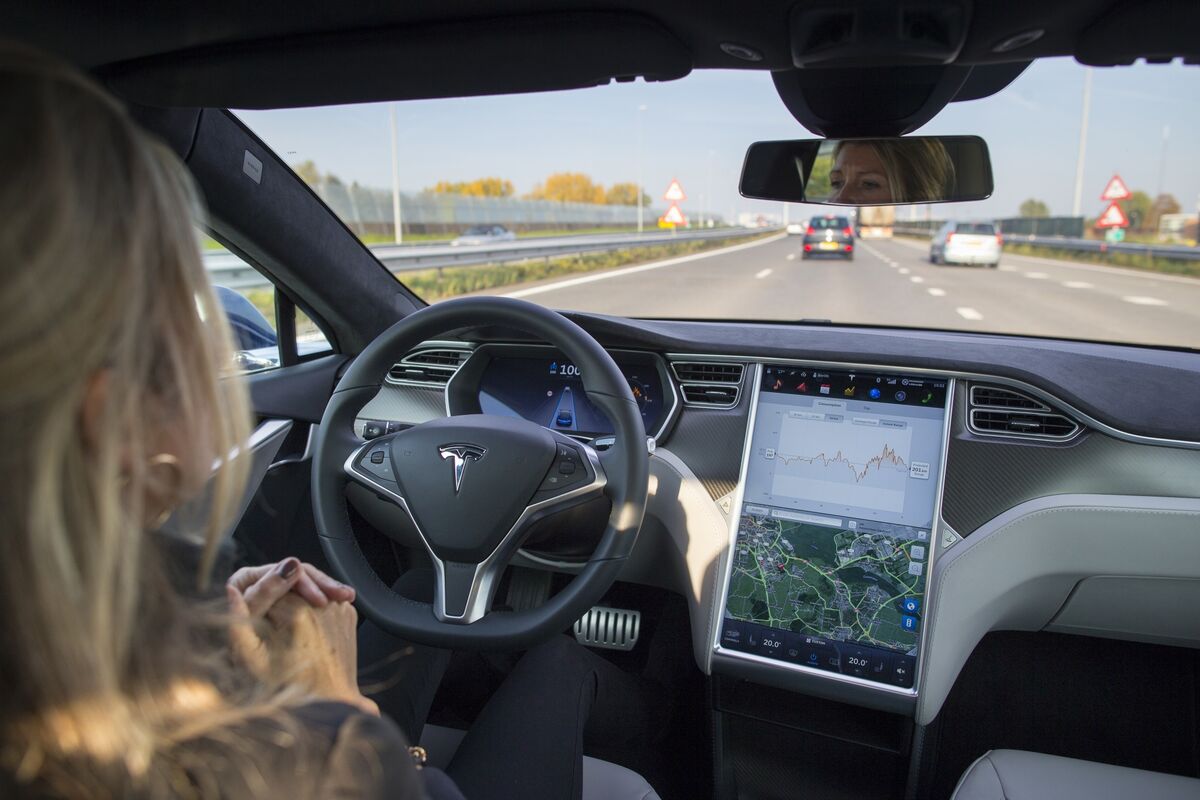
A Miami jury ordered Tesla to pay $243 million in damages, including $200 million in punitive damages, following a fatal 2019 Autopilot crash. Despite the driver admitting fault, the jury assigned one-third of the blame to Tesla, marking a significant legal setback and a rebuke of the company's driver assistance technology marketing. This verdict highlights growing scrutiny on ADAS liability and could influence the development and promotion of automated vehicle systems across the automotive industry.
Tesla, Inc. faces a significant legal and financial setback following a Miami jury's decision to award $243 million in damages for a fatal 2019 crash involving its Autopilot system. The verdict is particularly damaging as it assigns one-third of the blame to Tesla, even though the driver admitted to being at fault for speeding and being distracted. This ruling marks a critical departure from past cases where Tesla has often successfully deflected liability by citing human error. The substantial $200 million in punitive damages, on top of its ~$43 million share of compensatory damages, serves as a direct rebuke of the company's marketing and implementation of its driver-assistance technology. This outcome establishes a new legal precedent that increases the liability risk for Tesla's Autopilot and Full Self-Driving (FSD) programs, potentially exposing the company to a higher volume of costly litigation and challenging a key pillar of its long-term valuation.
AI-powered research, real-time alerts, and portfolio analytics for institutional investors.
Request DemoOverall Sentiment
strongly negative
Sentiment Score
-0.75
Ticker Sentiment
