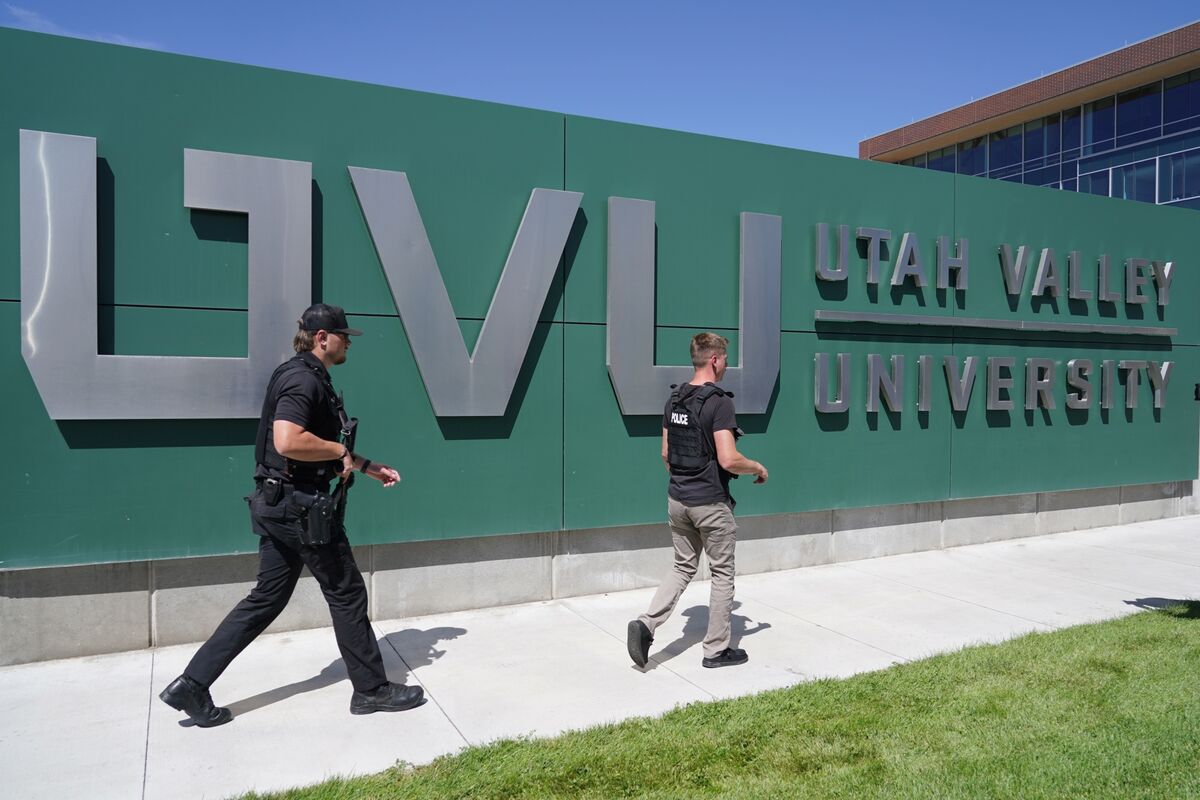
U.S. universities are facing significant funding threats from Republican lawmakers, stemming from their responses to staff and faculty comments regarding the slain conservative activist Charlie Kirk. This pressure campaign is viewed as an expansion of political efforts against higher education, prompting many institutions to take action and signaling potential shifts in university funding dynamics and governance.
The US higher education sector is facing a tangible fiscal threat stemming from escalating political pressure. Republican lawmakers are leveraging the power of the purse to influence university governance, specifically threatening funding over institutional responses to faculty and staff comments about the slain conservative activist Charlie Kirk. This campaign is not an isolated event but rather an extension of a broader political strategy by allies of President Donald Trump against higher education. The pressure is already proving effective, as the report notes many schools are 'already taking action,' indicating a direct impact on university policy and operations. The moderately negative sentiment score (-0.6) reflects the significant headline risk for institutions, which could translate into budgetary constraints, credit rating pressure for university-issued debt, and operational uncertainty, particularly for public universities reliant on state appropriations.
AI-powered research, real-time alerts, and portfolio analytics for institutional investors.
Request DemoOverall Sentiment
moderately negative
Sentiment Score
-0.60
