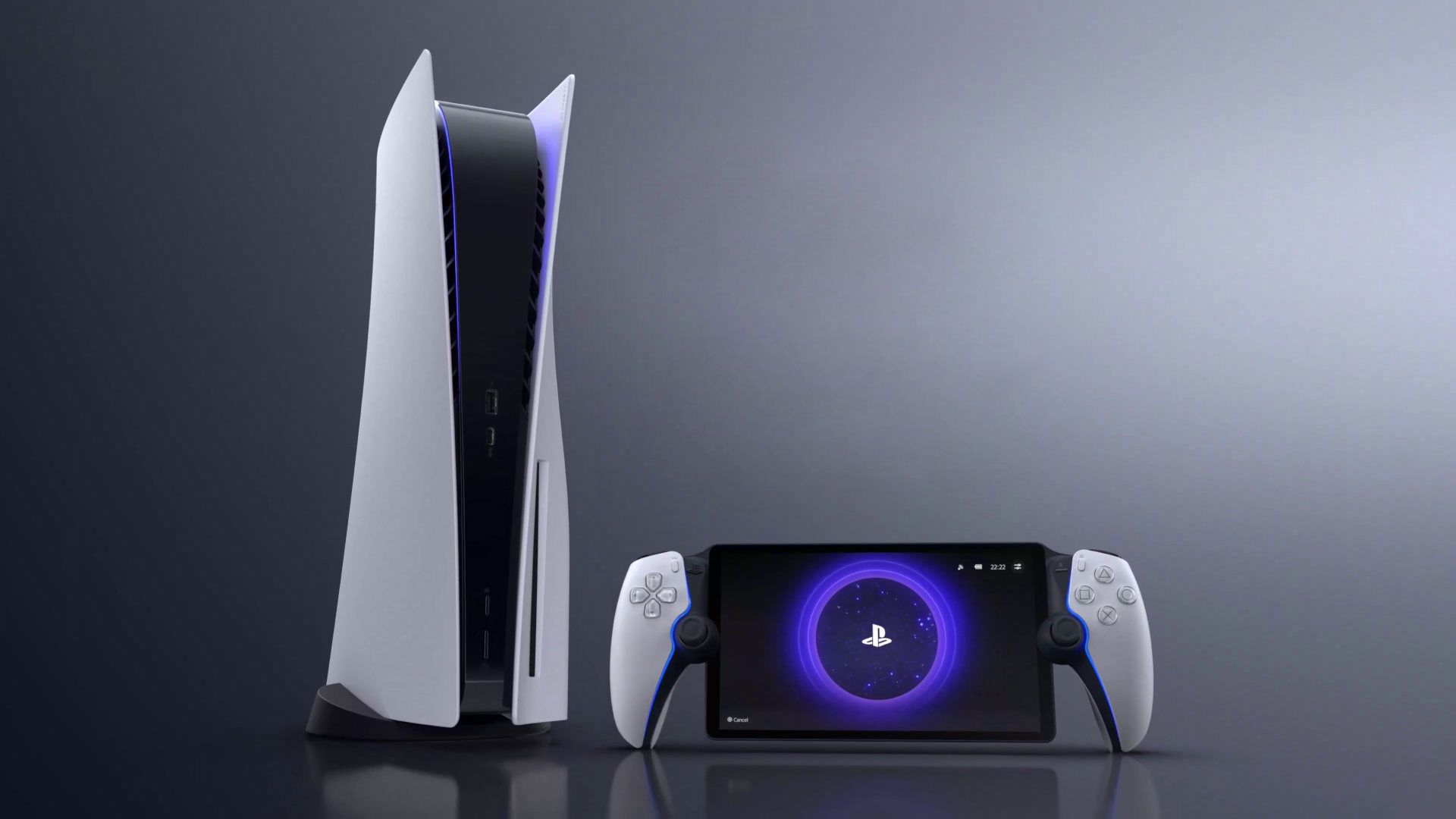
Sony is reportedly considering delaying the PS6 to 2028–2029 due to 'rampant AI demand for memory' per Bloomberg, while the PS5 has seen three post-launch price increases and now costs roughly $650/£570/€650 versus ~£450 at launch. The author argues higher console prices and Sony pulling exclusives from PC weaken the hardware value proposition and could suppress upgrade demand or extend console lifecycles. Memory supply constraints tied to AI workloads are the key supply-side risk that could affect Sony's launch timing and cost structure; Nintendo's Switch 2 at about $450 is presented as a cheaper alternative that may capture some demand.
Console economics are shifting from hardware-led distribution to software- and services-driven monetization; as unit BOMs move higher, the value of a large, sticky install base (and its recurring revenue) becomes more important than selling razor-thin-margin boxes. That dynamic favors companies that can convert hardware buyers into high-ARPU services customers and hurts those that rely on hardware volume to subsidize software investment. Expect companies with stronger cross-media IP and subscription infrastructure to be able to maintain margins even as console unit economics compress.
AI-led demand for memory and high-bandwidth components is creating a durable allocation tension between high-margin datacenter buyers and low-margin consumer OEMs; the practical effect is OEMs will face higher unit costs or delayed refresh cycles until new wafer and packaging capacity comes online. Memory vendors and firms tied into datacenter supply chains will capture most of the near-term margin upside, while consumer device makers must either pass costs to end users or squeeze other expense lines. Fabless SoC vendors sit in the middle — they can win design share but only if they secure prioritized component procurement.
Investment timing should center on two timeframes: 6–18 months for memory spot-price and allocation normalization if capex accelerates, and 18–36 months for structural product-cycle adjustments (console refresh cadence, subscription penetration). Near-term reversals can come from rapid memory capex announcements or geopolitical trade changes that reprioritize supply; downside tail risks include a sharper-than-expected slowdown in AI spend that frees up memory and collapses prices. Use limited-risk option structures to express directional views rather than outright large equity positions given these binary catalysts.
AI-powered research, real-time alerts, and portfolio analytics for institutional investors.
Request DemoOverall Sentiment
mildly negative
Sentiment Score
-0.30
Ticker Sentiment
