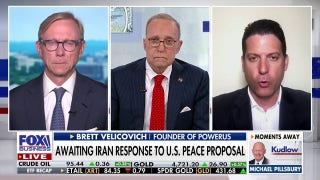
The article argues for unconditional Iranian surrender deadlines and renewed military action, with a focus on U.S. control of the Strait of Hormuz and protection of Gulf shipping lanes. It says Gulf allies have lifted restrictions on U.S. military use of bases and airspace, potentially allowing 50 to 100 commercial ships and oil tankers to transit the strait again. The rhetoric and implied escalation are highly geopolitically sensitive and could affect energy and shipping markets.
The market should treat this less as a clean “war risk” headline and more as a volatility regime shift across energy, shipping, and regional credit. The first-order impulse is a higher geopolitical risk premium in crude and refined products, but the larger second-order effect is on choke-point optionality: if the Strait remains intermittently contested, tanker utilization falls, voyage times rise, and effective seaborne supply tightens even without a formal supply shock. That tends to benefit assets with embedded scarcity pricing—tankers, LNG, and domestic energy infrastructure—while hurting airlines, refiners with limited feedstock flexibility, and import-dependent industrials.
The key catalyst window is days to a few weeks, not quarters: a negotiated pause can compress the risk premium quickly, but any renewed signaling around strikes or deadlines should produce outsized moves because positioning is likely underhedged after the initial headline-driven rally. Watch for term structure steepening in oil: front-end spikes tend to be more durable than the back end when the market prices passage risk rather than actual lost barrels. In rates and credit, the likely second-order loser is Gulf sovereign/Quasi-sovereign risk sentiment, especially if U.S. security guarantees appear inconsistent.
The contrarian read is that aggressive escalation rhetoric can create a tactical short in crude after an initial spike if markets conclude physical flows are not actually being disrupted. In other words, the trade is not “war = up forever,” it is “uncertainty = up until credibility is tested.” If the U.S. reopens transit quickly and allies publicly normalize operations, a fast unwind of the premium is plausible, especially if global inventories are still comfortable. The highest-conviction edge is in relative value, not outright directional energy beta: names tied to transport bottlenecks and defense posture should outperform broad oil if the standoff persists without a full supply shock.
AI-powered research, real-time alerts, and portfolio analytics for institutional investors.
Request DemoOverall Sentiment
moderately negative
Sentiment Score
-0.35
