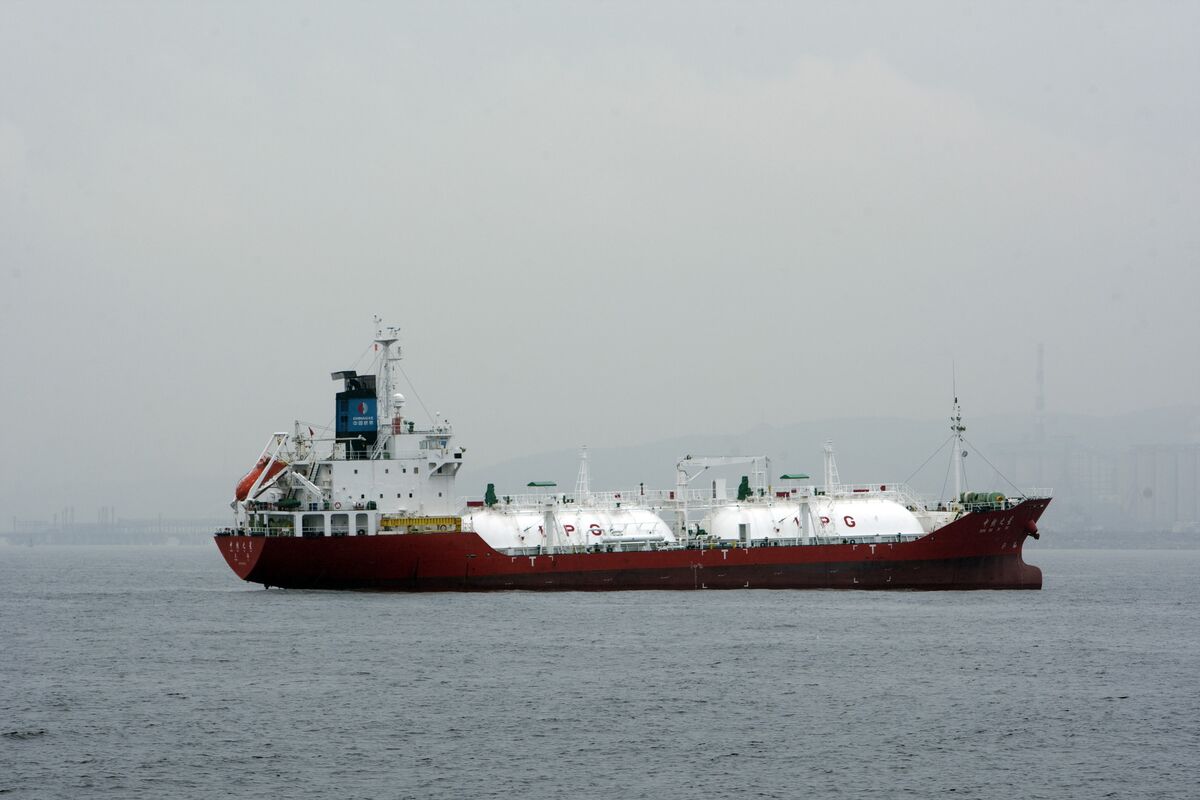
Two India-bound LPG tankers, BW Tyr and BW Elm, have exited the Persian Gulf via the Strait of Hormuz while signaling Indian ownership and crew via transponders. The moves continue a limited flow of cooking-fuel shipments through a geopolitically sensitive choke point; this is primarily a logistics/security update with minimal immediate impact on energy prices or markets.
Securing a durable, lower-risk passage for Middle Eastern LPG into India meaningfully compresses short-term delivery premia and freight volatility for a market that is seasonally concentrated (peak household demand Nov–Feb). If war-risk/higher-insurance layers are avoided or reduced, expect prompt landed-cost relief of mid-single-digit percentage points for Indian importers within weeks, which flows almost immediately into downstream refinery/distributor margins.
Primary beneficiaries are owners of VLGCs with India-focused employment (specialist owners like BWLPG) and Indian refiners/distributors with LPG marketing exposure (integrated players who can arbitrage imported vs local LPG). Second-order winners include charterers able to shorten ballast legs and P&I clubs seeing fewer claims; losers include owners/insurers that had monetized longer bypass voyages and brokers/derivative sellers of freight volatility. Normalization also nudges global VLGC availability higher versus prior rerouting, pressuring TC rates — intuitively a 10–25% downside in spot TC if flows scale.
Key catalysts are binary and time-sensitive: a single maritime incident would spike war-risk premiums within 24–72 hours and reroute volumes for months, while credible diplomatic de-escalation or formalized ‘safe transit’ protocols would lock in lower premia over 1–3 months. Structural change (persistent reflagging/legal clarity) takes quarters and could permanently lower the India risk premium.
The consensus risk is mistaking recurring safe transits for permanence. Current volumes look like incremental normalization rather than an inflection — insurers and charterers retain option value to reprice rapidly. Positioning should therefore be tactical and event-driven, not a multi-year structural bet until insurance clauses and contractual behaviours change.
AI-powered research, real-time alerts, and portfolio analytics for institutional investors.
Request DemoOverall Sentiment
neutral
Sentiment Score
0.00
