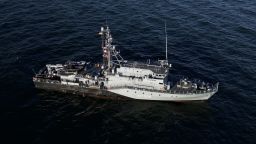
A Russian fighter jet intercepted an unflagged tanker, the Jaguar, sanctioned by the UK, in Estonian airspace after Estonian authorities attempted to inspect the vessel, marking a significant escalation in Russia's involvement with its so-called "shadow fleet" used to circumvent Western oil sanctions. This incident, the first instance of Russia using military force to protect the fleet, prompted NATO to scramble jets and has heightened concerns about potential confrontations, with some viewing it as a reaction to NATO's increased Baltic Sea presence. Germany is considering a new sanctions package targeting Russia's shadow fleet, while Russia detained a Greek-owned tanker in a possible retaliatory move.
Russia's deployment of an Su-35 fighter jet to protect the UK-sanctioned tanker 'Jaguar' from an Estonian inspection in Estonian airspace represents a significant escalation, with Estonian Foreign Minister Margus Tsahkna asserting that Moscow has now "officially tied and connected itself" to its clandestine 'shadow fleet'. This fleet, comprising hundreds of often old and poorly maintained vessels with opaque ownership structures, facilitates Russian oil exports in circumvention of Western sanctions and has been implicated in environmental incidents and alleged damage to undersea Baltic infrastructure, claims Russia denies. The unprecedented use of military force to shield these tankers, which French Foreign Minister Jean-Noël Barrot termed a response to economic sanctions, is interpreted by Estonian authorities as proof of the efficacy of existing sanctions and a call for their intensification. Germany is reportedly considering a new sanctions package targeting this fleet, which is estimated to include up to 300 ships in the Baltic Sea. NATO, which scrambled Portuguese F-16s in response and views the event as a reaction to its 'Baltic Sentry' initiative, now navigates a heightened risk environment, as Russia may be attempting to deter further actions against its oil trade. The subsequent detention of a Greek-owned tanker, the 'Green Admire', by Russia as it transited Russian waters further signals potential retaliatory measures, increasing tensions and risks in crucial maritime trade corridors.
AI-powered research, real-time alerts, and portfolio analytics for institutional investors.
Overall Sentiment
Negative
Sentiment Score
-0.40
Ticker Sentiment
