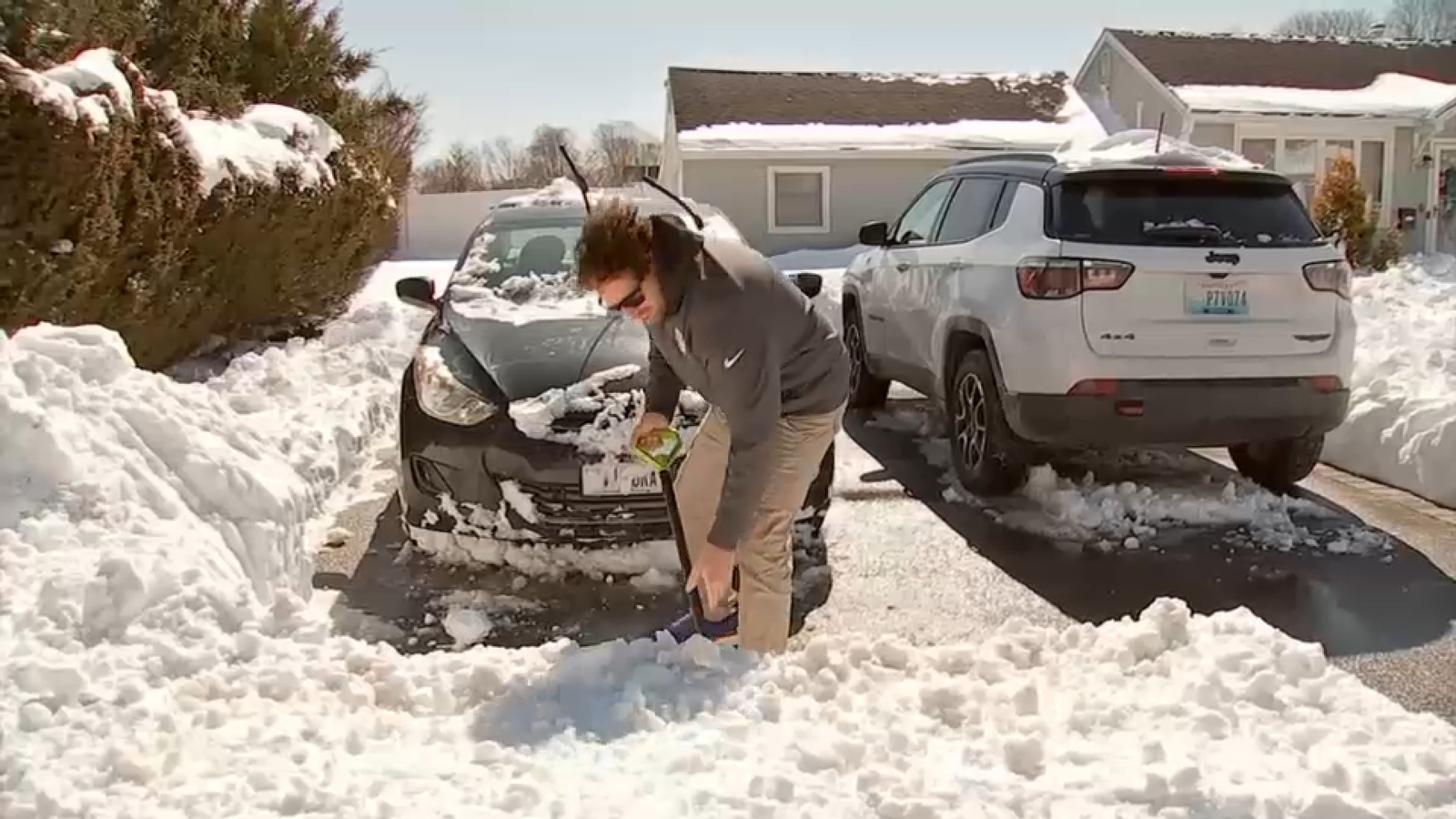
A blizzard dumped a record 31 inches of snow in Central Islip, Long Island, prompting multi-day school closures, extensive municipal cleanup and more than 300 pieces of equipment deployed across roughly 1,200 miles of roads. Long Island Rail Road suspended service during the storm but is restoring regular service at midnight after crews de-iced trains and cleared fallen trees; the event poses localized disruptions to commuting, school operations and short-term logistics but is unlikely to have material market implications.
Market structure: winners are salt/de-icing suppliers, heavy-equipment rental and local contractors (snow removal, roof repair, tree services) who get immediate pricing power for 2–8 weeks; losers are short-duration passenger transport operators and small retailers with forced closures. Expect rental utilization (United Rentals-type businesses) and salt volumes to spike, driving mid-single-digit revenue beats in the next quarter for exposed public companies and small-cap suppliers. Cross-asset: a 3–6% short-term lift in regional natural gas demand (heating) is plausible, supporting near-term NG futures; limited impact on sovereign/credit markets but localized muni cashflow stress could raise short-term CP issuance.
Risk assessment: tail risks include a concentrated property-claim cluster or cascading infrastructure failures (power outages, rail damage) that could create a >2–4% quarterly EPS shock to regional P&C insurers or a temporary 5–10% revenue hit to transit operators. Time horizons: immediate (days) = revenue disruption and equipment surge; short-term (weeks–months) = elevated contractor revenues and material demand; long-term (quarters–years) = incremental municipal budget reallocation and possible capex for resilience. Hidden dependencies: insurance claim lag, FEMA reimbursement timing (30–180 days), and diesel/logistics bottlenecks that can amplify costs.
Trade implications: tactical longs in salt producers and rental equipment with tight stops, short small exposure to regional travel/airline discretionary names for 1–4 weeks, and a short-dated long on natural gas. Use option spreads to cap premium outlay for weather/timing risk; size trades as small tactical allocations (1–3% portfolio each). Monitor heating-degree-day reports and weekly EIA storage as execution triggers.
Contrarian angles: consensus underappreciates recurring incremental municipal spending — storms of this scale tend to produce multi-month tail demand for labor/materials, not one-week spikes; rental-equipment utilization historically outperforms in the month following record snowfall. Market may be overstating insurance losses vs. actual claim severity (roof claims concentrated and often sub-deductible), creating a short opportunity in regional P&C names if evidence of large-loss clustering does not appear in 30–60 days. Historical parallels (major Northeast blizzards) show contractor revenue pops persist 6–12 weeks, not just days.
AI-powered research, real-time alerts, and portfolio analytics for institutional investors.
Request DemoOverall Sentiment
neutral
Sentiment Score
-0.05
