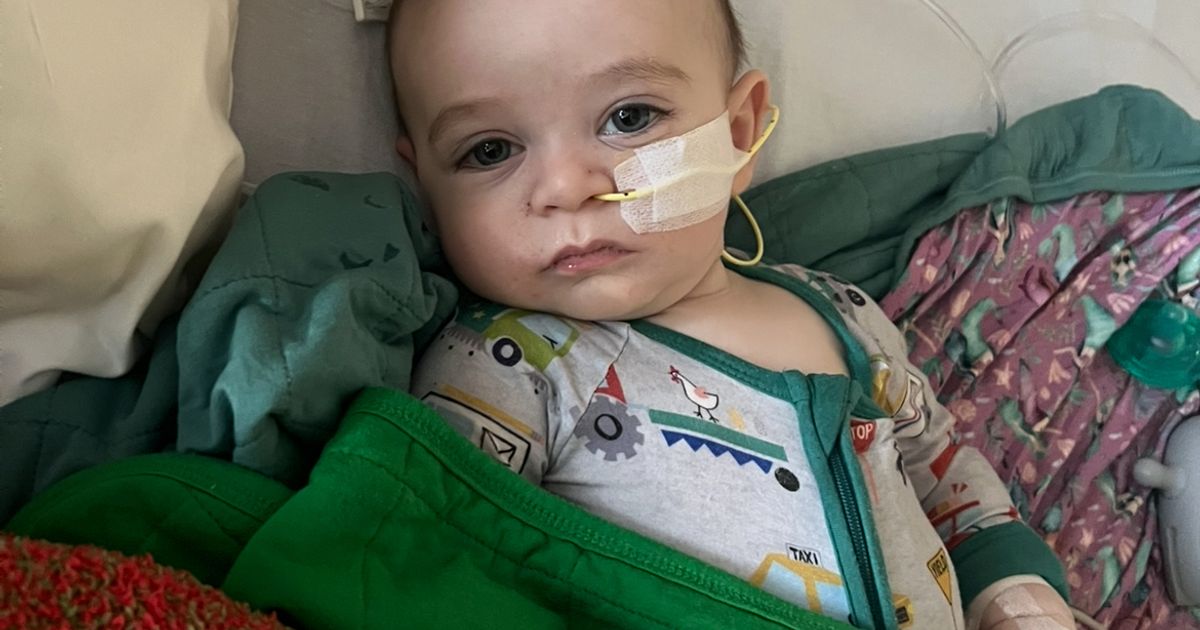
Federal and state investigators are probing an outbreak of at least 31 infant botulism cases in 15 states tied to ByHeart formula since Aug. 1, while parents and lawyers say multiple infants were treated for botulism after consuming ByHeart between November 2024 and June 2025—months before the recognized surge; California confirmed six such cases and ByHeart recalled all products on Nov. 11 after laboratory tests found the bacterium in previously unopened cans. The CDC is prioritizing the recent surge but acknowledges earlier reports could be related, though linking them is hampered by elapsed time and missing lot information; public-health experts and advocates argue earlier cases should be included, raising potential regulatory, legal and reputational risks for ByHeart and prompting scrutiny of powdered infant-formula safety despite the brand representing under 1% of U.S. formula sales.
Federal and state investigators are probing an outbreak of infant botulism that has sickened at least 31 babies in 15 states since Aug. 1; California public-health officials additionally confirmed six cases linked to ByHeart formula between November 2024 and June 2025, and ByHeart voluntarily recalled all products nationwide on Nov. 11 after laboratory tests found the bacterium in some previously unopened cans. Parents and plaintiff attorney Bill Marler report other pre-August illnesses tied by families to ByHeart, but the CDC is prioritizing the post-August surge while acknowledging earlier reports could be related and noting challenges tying old cases to lot numbers or retained containers.
Public-health data points raising concern include an unusual clustering on the East Coast, a rarely seen toxin type in that region, concentration of very young infants among cases, and the finding that ByHeart represents under 1% of U.S. formula sales despite appearing disproportionately in cases; historically fewer than 200 infant botulism cases occur annually in the U.S. These factors increase the probability of regulatory scrutiny, expanded recalls, and litigation; independent experts and advocacy groups are urging inclusion of earlier cases in the outbreak count.
Key near-term risks are legal liability, widening recall scope if further unopened cans test positive, and reputational damage that could depress sales or prompt supply-chain reviews. Investors should watch FDA/CDC updates, lot-traceback results, published lab findings on unopened cans, and litigation filings as primary catalysts for material business or financial consequences.
AI-powered research, real-time alerts, and portfolio analytics for institutional investors.
Request DemoOverall Sentiment
moderately negative
Sentiment Score
-0.50
