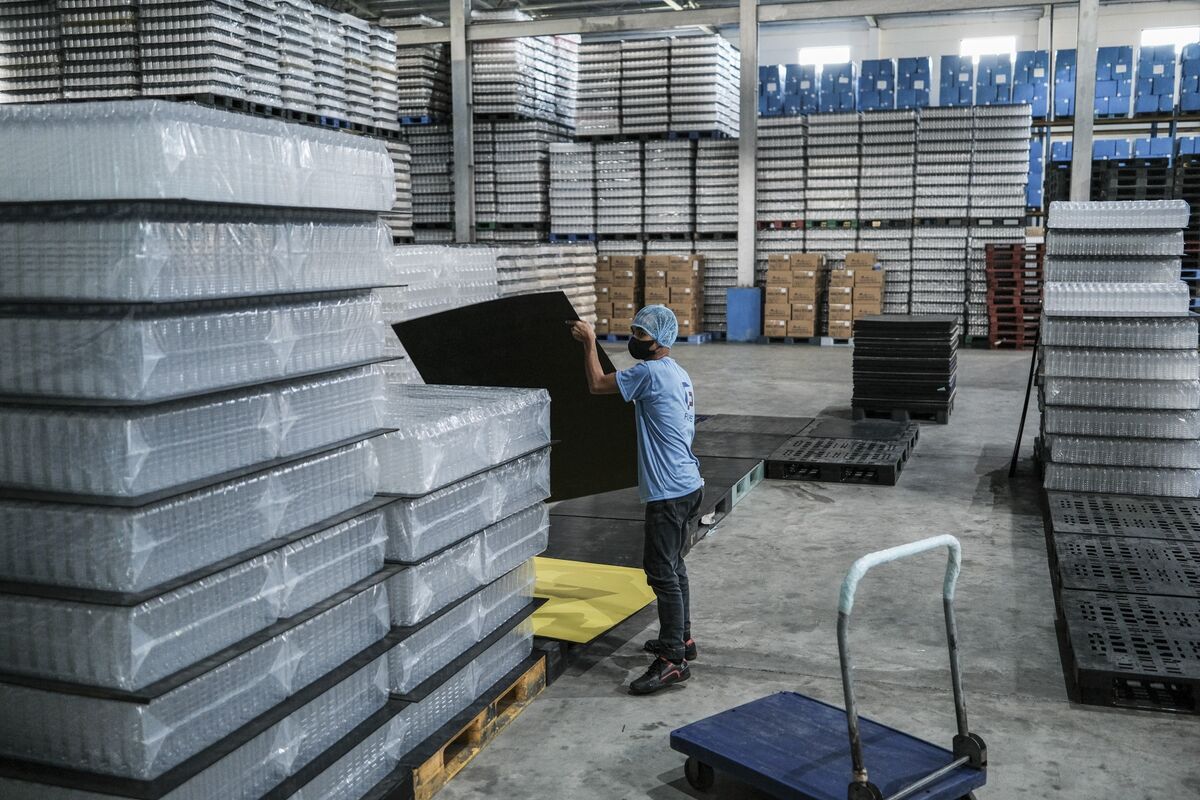
Polyethylene prices are already surging after oil supply disruptions from the war in Iran curtailed feedstock flows, with several Asian producers declaring force majeure and cutting output. The resulting petrochemical shock tightens global plastics and packaging supply, raising input costs for downstream manufacturers and increasing sectoral volatility.
Margin displacement will be the dominant transmission mechanism: integrated crackers that can widen ethylene/PE spreads capture direct incremental EBITDA while tollers and converters see squeezed margins and working-capital stress. As a rule of thumb, a sustained $100/ton change in polyolefin realizations equates to mid‑hundreds of millions of dollars of EBITDA swing for a single 3–5 Mtpa cracker complex over a 3–12 month window, and 10–30 bps of margin pressure for high‑volume CPG players unless pass‑through is immediate.
Feedstock flexibility is the key cross‑regional differentiator and a faster mean reversion channel than headline geopolitics: crackers able to switch from naphtha to ethane (or with access to advantaged LPG streams) will see effective protection vs. global naphtha dislocations within weeks–months, while naphtha‑dependent regions will remain vulnerable until rerouting or seasonal refinery turnarounds (2–6 months). Expect trade flows to shift to ethane‑rich Gulf Coast and Middle East exporters in the near term, compressing arbitrage opportunities and lifting exports from advantaged hubs.
Downstream second‑order effects are uneven — packaging OEMs with contractual indexation can pass costs through within 1–2 quarterly resets, but private‑label food processors and small converters face inventory and margin squeezes that lead to order deferrals and potential consolidation targets over 3–12 months. Separately, recycling economics improve at higher virgin prices, creating a structural acceleration in CAPEX interest for mechanical and chemical recycling projects, but scalable substitution will take 24–60 months to meaningfully relieve demand for virgin feedstock.
Policy and cyclical catalysts to watch: emergency releases, tanker insurance/route disruptions, or rapid refinery run cuts can tighten feedstock spreads in days; conversely, short‑cycle destocking, regional crack narrowing, or unexpected increases in ethane availability can normalize margins within 8–12 weeks. Capital allocation responses (idled plants restarting or planned outages deferred) will set the multi‑year supply curve and drive the next leg of volatility.
AI-powered research, real-time alerts, and portfolio analytics for institutional investors.
Request DemoOverall Sentiment
moderately negative
Sentiment Score
-0.45
