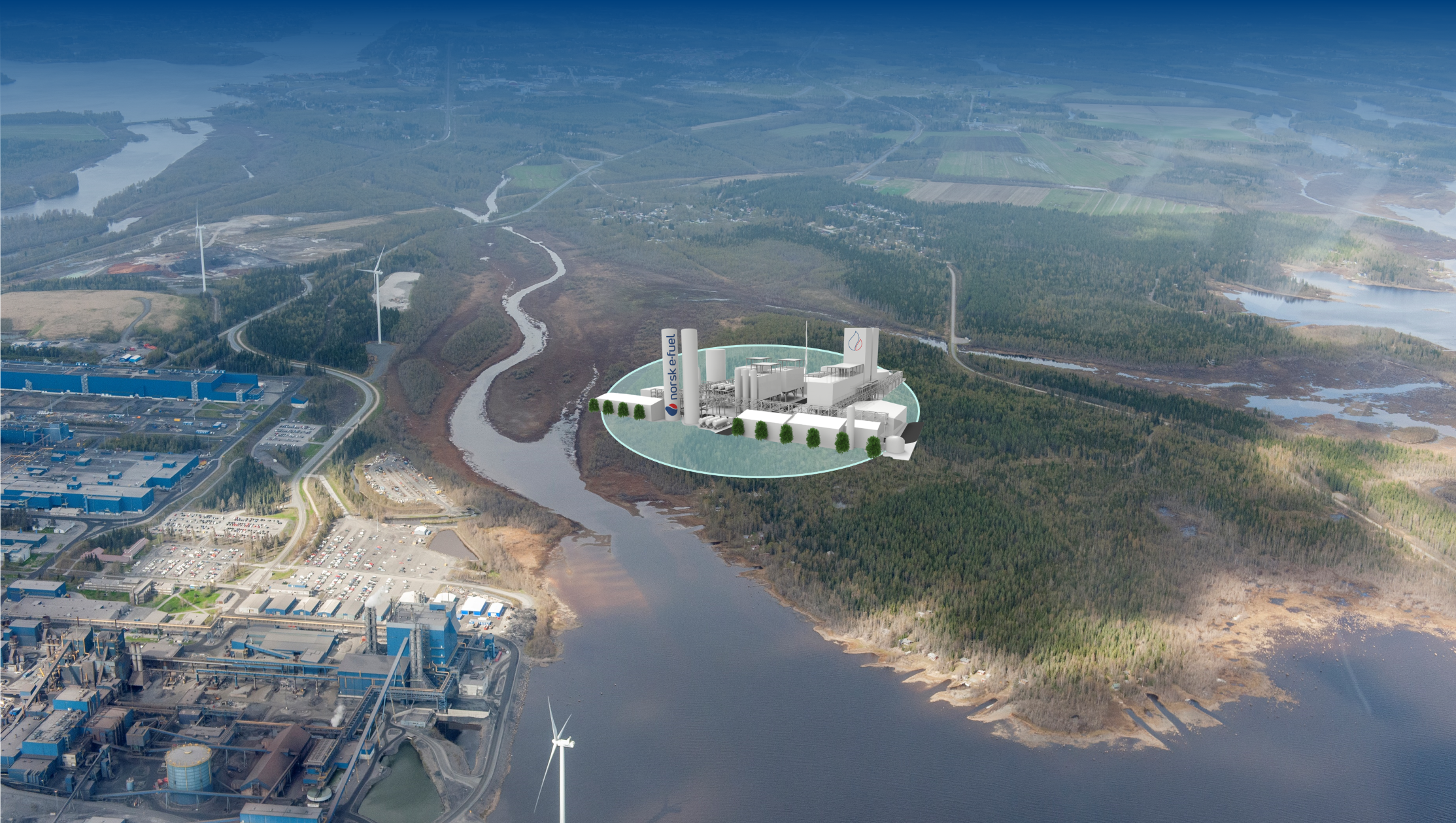
Outokumpu and Norsk e-Fuel signed an MoU to pursue a CO-to-eSAF Power-to-Liquid plant adjacent to Outokumpu’s Tornio stainless steel mill, with Norsk e-Fuel starting a feasibility study in 2026, an expected investment decision around 2028 and production targeted for 2032. The plant would use Outokumpu’s ferrochrome CO side streams to produce 80,000–100,000 tonnes of eSAF annually, potentially reducing Outokumpu’s direct CO2 emissions by ~200,000 tonnes per year (≈20% of its global direct emissions), with estimated capex of EUR ~1.2–1.5 billion and ~250 local jobs created. The project could monetize underutilized side streams and support EU eSAF targets, but remains early-stage contingent on the feasibility outcome and future financing decisions.
Market structure: The Outokumpu–Norsk e‑Fuel tie-up creates a vertically integrated feedstock-to-eSAF micro-market: winners include Outokumpu (new revenue per tonne of CO side‑stream), Norsk e‑Fuel and electrolyzer/H2 suppliers; losers are marginal jet‑fuel refiners and CO₂ capture projects that are costlier. The planned 80–100k tpa eSAF (EUR 1.2–1.5bn capex, production 2032) is meaningful regionally but small vs global jet demand; it strengthens European strategic fuel supply and could modestly compress regional jet fuel spreads versus crude over time. Cross‑asset: expect modest positive credit sentiment for Outokumpu (improved cash generation visibility) and potential green bond issuance; renewable equipment suppliers’ equity and project finance markets tighten; Nordic FX/credit benefits if capex uses local banks/Euros. Supply/demand: using continuous high‑concentration CO lowers marginal cost of eSAF vs CO₂ capture routes, improving project IRRs and altering supply curve for synthetic fuels in Northern Europe by shifting some capacity to lower‑cost feedstock locations.
AI-powered research, real-time alerts, and portfolio analytics for institutional investors.
Overall Sentiment
mildly positive
Sentiment Score
0.30
