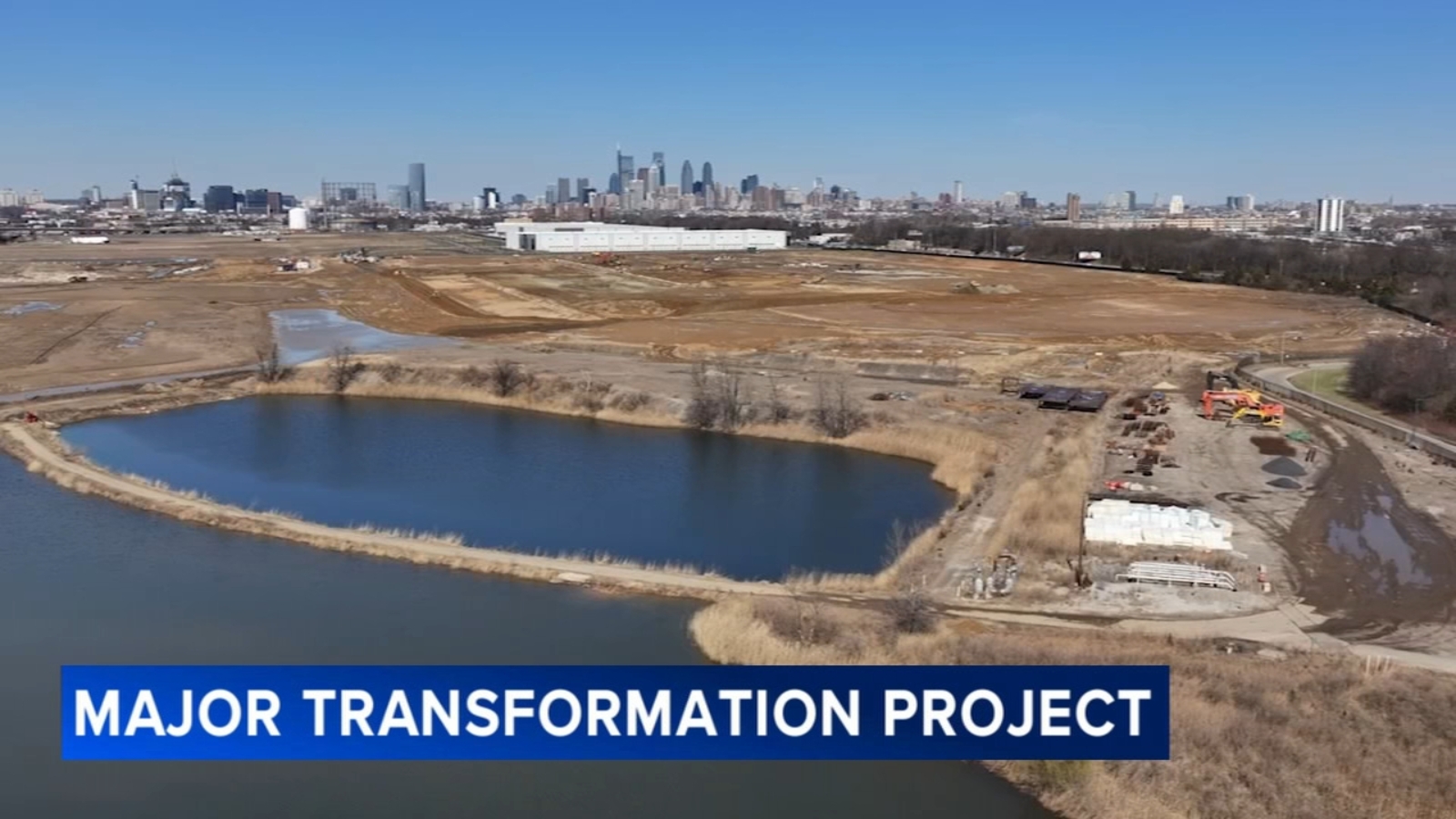
TerraPower Isotopes will build a $450M facility on the former Philadelphia Energy Solutions refinery site to produce rare medical isotopes, creating more than 225 jobs and targeting operations in 2029. The Commonwealth of Pennsylvania is investing $10M and offering tax incentives; the site (Bellwether District) required EPA/DEP-regulated remediation and community groups are pushing for a community benefits agreement. The project strengthens Philadelphia's life-sciences cluster and repurposes remediated industrial land, though local safety and benefit-sharing remain political considerations.
This development is a catalyst for concentrated, high-margin demand inside a narrow slice of the life‑sciences value chain: production of therapeutic and diagnostic radioisotopes plus associated radiochemistry, QA, and cold-chain logistics. That specialization favors equipment makers, long‑standing radiopharmas and engineering contractors with regulatory and nuclear-capable track records more than generic biotech landlords or early‑stage drug developers; capture of long‑dated offtake contracts will determine winners more than location alone. Key near‑term frictions that will set performance over 12–36 months are regulatory licensing, feedstock procurement, and community/permitting negotiations that can materially increase capex and time to first production. Conversely, once licensing and supply contracts are locked, incumbent imaging/device suppliers and large radiopharma integrators can enjoy multi‑year pricing power because therapeutic isotopes have steep barriers to entry and cannot be rapidly commoditized. The consensus narrative — that any life‑sciences presence automatically lifts local RE prices and employment linearly — understates two second‑order effects: (1) material re‑rating will flow to niche specialists (radiochemistry equipment, qualified engineering firms, logistics providers) rather than broad REITs; (2) community demands or latent remediation liabilities can convert a headline project into a multi‑year revenue stream for contractors and consultants while delaying economic upside for investors. Timing and counterparty quality matter more here than headline square footage or job counts.
AI-powered research, real-time alerts, and portfolio analytics for institutional investors.
Overall Sentiment
moderately positive
Sentiment Score
0.35
