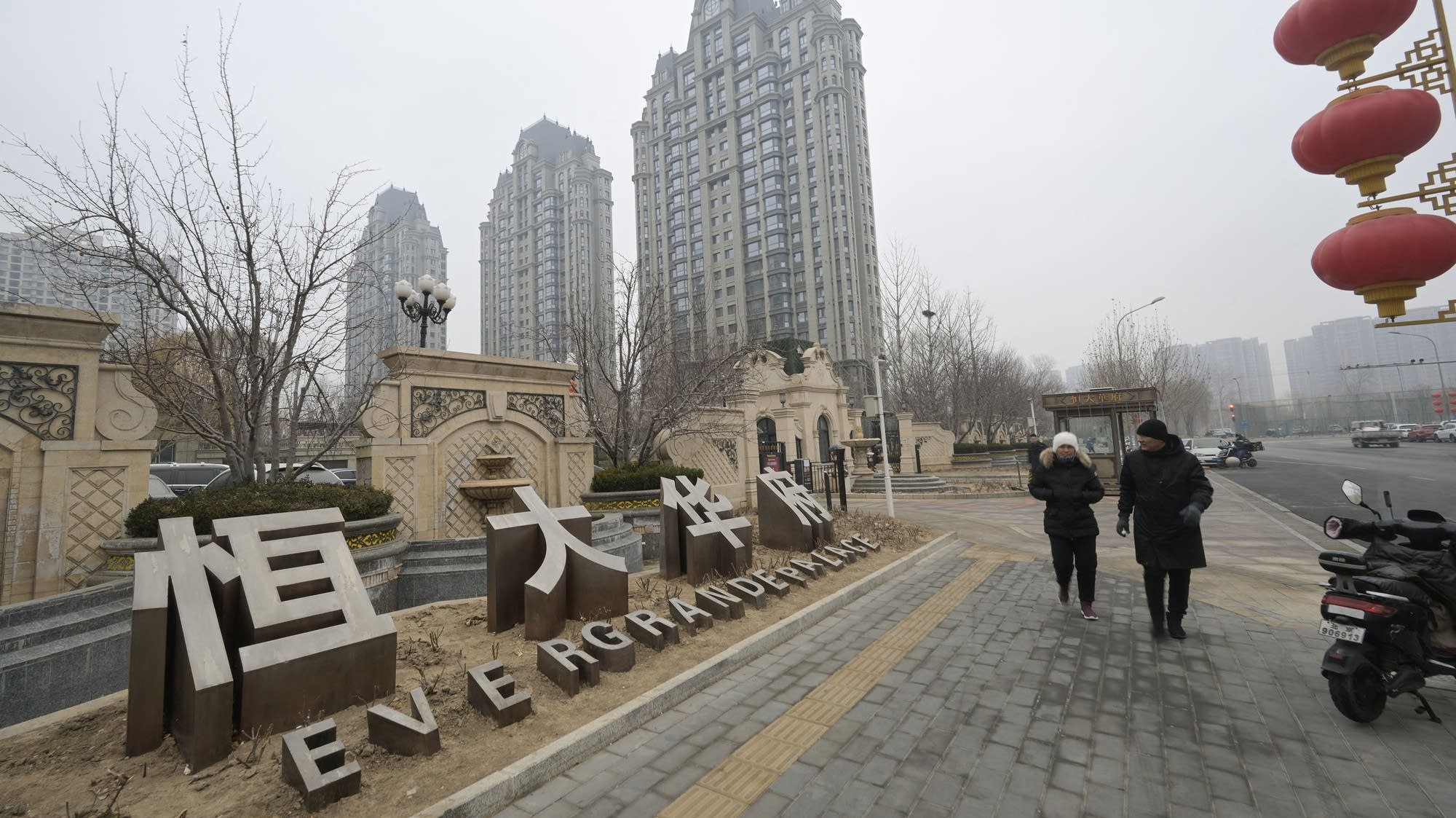
China Evergrande Group is being delisted from the Hong Kong Stock Exchange, formalizing the collapse of the heavily indebted property developer which holds over $300 billion in debt and was ordered to liquidate. Its downfall, stemming from excessive borrowing and lavish spending that became unsustainable after Beijing capped borrowing and housing sales slowed in 2021, reflects a broader weakness in China's property sector, where housing prices have dropped 35% since 2021. This action underscores the government's unwillingness to bail out highly leveraged firms, signaling a shift away from debt-fueled expansion and highlighting the ongoing challenges in the real estate market.
The delisting of China Evergrande Group from the Hong Kong Stock Exchange formally marks the collapse of the developer, which is under a liquidation order with over $300 billion in liabilities. The company's failure stems from a business model predicated on excessive leverage, which became unsustainable after Beijing imposed borrowing caps in 2021 amid a significant slowdown in the housing market. A potential restructuring is unviable as the core property business has disintegrated; annual sales, which once peaked at approximately 500 billion yuan, would now be fortunate to reach a tenth of that figure. This operational failure was compounded by debt-fueled, lavish diversification into non-core assets, including an electric vehicle company and theme parks. The government's decision not to orchestrate a bailout signals a critical policy shift away from supporting over-leveraged private firms. This event underscores the pervasive weakness in China's property sector, which has seen housing prices fall by 35% since its 2021 peak, posing a significant headwind for the nation's economy.
AI-powered research, real-time alerts, and portfolio analytics for institutional investors.
Overall Sentiment
extremely negative
Sentiment Score
-0.80
Ticker Sentiment
