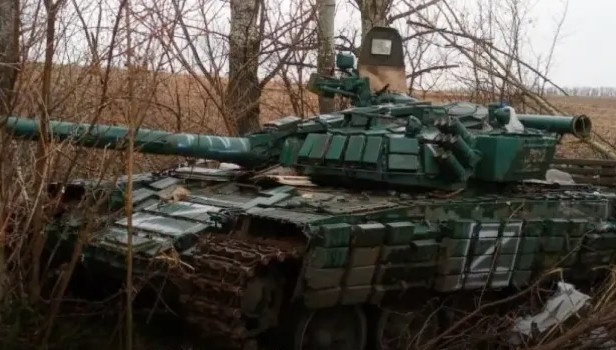
Ukrainian forces report intensified fighting around Pokrovsk and Myrnohrad, with Russians shifting heavy equipment to southern Pokrovsk while Ukrainian defenders hold the northern part and defensive lines in Myrnohrad. Over the past day the Operation Task Force "East" says defenders repelled 111 assaults, destroyed 665 enemy drones and 21 units of weapons/equipment, and inflicted roughly 392 Russian manpower losses (54 killed and 27 wounded in the Pokrovsk sector), signaling continued attrition that sustains regional instability and elevated risk premia for Ukrainian assets and nearby logistics/energy routes.
Market structure: Escalation around Pokrovsk mechanically benefits defence primes (Lockheed LMT, Raytheon RTX, Northrop NOC) and specialty EW/UAV suppliers while hurting regional logistics, grain exporters and travel insurers. Expect order-backlog strength for primes (visible revenue rebooking within 1–3 quarters) and tighter pricing on critical inputs (steel, electronics): if Black Sea exports are curtailed >2 weeks, wheat prices could spike +10–20% and freight rates rise materially.
Risk assessment: Tail risks include wider regional escalation or NATO entanglement (low probability, high impact) and large-scale sanctions that disrupt inputs to Western contractors. Near term (days–weeks) expect FX and commodity volatility; medium term (3–9 months) the flow of US/EU military aid is the key dependency — procurement lead times (6–18 months) and congressional votes in the next 30–60 days are primary catalysts.
Trade implications: Tactical long exposure to defense equities/ETF (LMT/RTX/NOC or ITA) with 3–6 month horizon; pair trades favoring defence vs travel/logistics (long LMT, short UAL). Hedging via gold (GLD) and short RUB (USD/RUB) mitigates geopolitical tail; options: buy 3-month ATM calls on LMT/RTX (small size) and a 2–3 month oil strangle to capture Black Sea disruption moves.
Contrarian angles: Consensus focuses on large primes but underprices small/mid-cap EW and counter-UAV specialists whose revenue could triple from niche contracts; market may underreact if aid is approved quickly (30–60 days). Historical parallel: 2014 re-rating of defence names persisted multi-year; unintended consequence is crowding into large caps leaving mid-cap alpha opportunities mispriced.
AI-powered research, real-time alerts, and portfolio analytics for institutional investors.
Request DemoOverall Sentiment
moderately negative
Sentiment Score
-0.50
