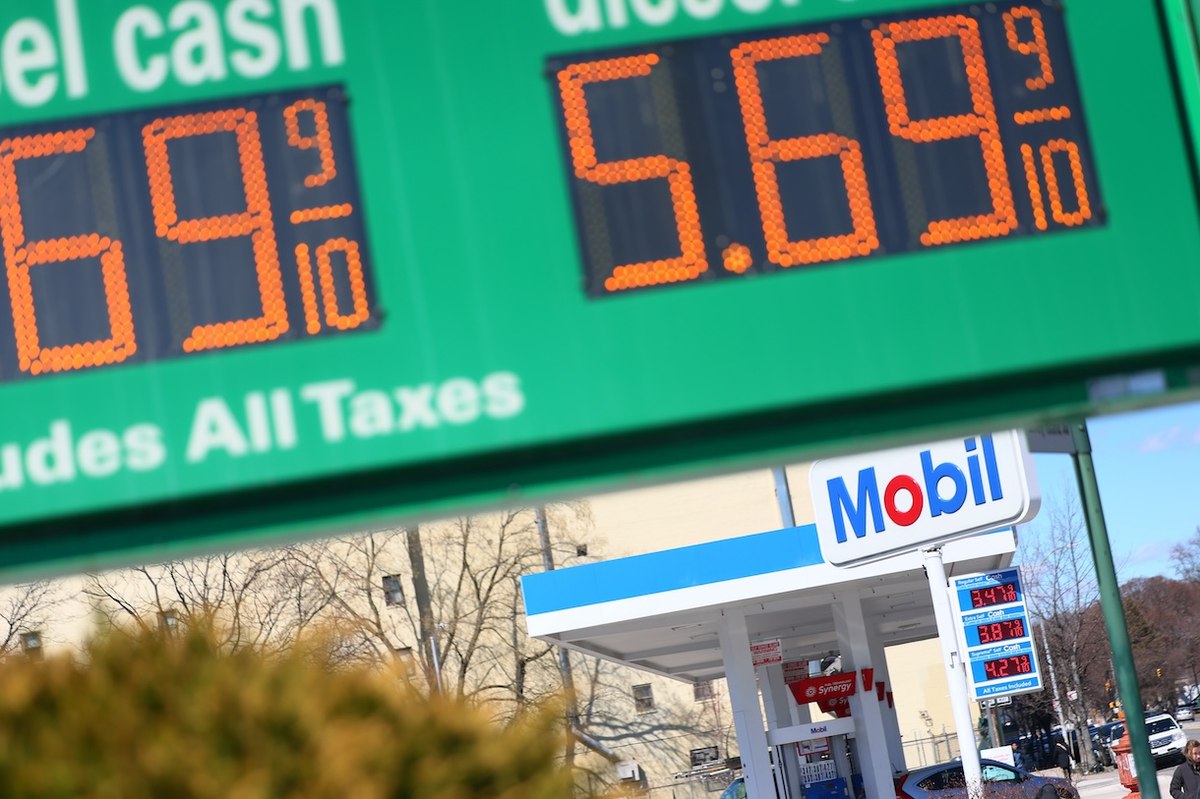
36% of Americans approve of Trump's handling of the Iran conflict while 55% disapprove; 69% say the conflict is raising gas prices 'a lot'. 49% expect Trump will not back out early, and 56% say the U.S. needs help from allies though only 47% say allies should agree to help if asked; 61% say the U.S. should help allies who ask. Implication: sustained public pessimism and expectations of a continued conflict could keep a risk-off tilt, supporting energy price upside and defense-related sector sensitivity while adding political risk for broader markets.
Polarized domestic politics will translate into a bifurcated foreign-policy execution model: Washington is likelier to seek narrow, transactional coalitions with regional partners rather than broad multilateral commitments. That raises the probability of fast, targeted kinetic moves (special operations, maritime interdiction) rather than protracted expeditionary campaigns — favoring firms that supply precise munitions, ISR and ship-security services over broad-spectrum logistics contractors.
Energy markets will respond through risk-premium channels before physical shortages appear. Expect immediate widening of war-risk insurance and freight differentials for Persian-Gulf-derived barrels, a re-blending of refinery crude slates (more heavy sweet-to-medium conversions), and transient crack-spread volatility; these operate on a days-to-weeks cadence and can amplify headline price moves by 10–25% even without sustained production losses.
The political timeline creates asymmetric catalysts: short-term spikes tied to discrete military or diplomatic events, and a multi-month election-season feedback loop where domestic pressure can force de-escalation. That makes a two-legged approach optimal — capture the near-term supply-risk premium while hedging for a politically driven rollback that could erase much of the upside within 1–3 months.
AI-powered research, real-time alerts, and portfolio analytics for institutional investors.
Overall Sentiment
mildly negative
Sentiment Score
-0.25
